“GEGHARD”
SCIENTIFIC ANALYTICAL
FOUNDATION


2026
2026
2025-12-16
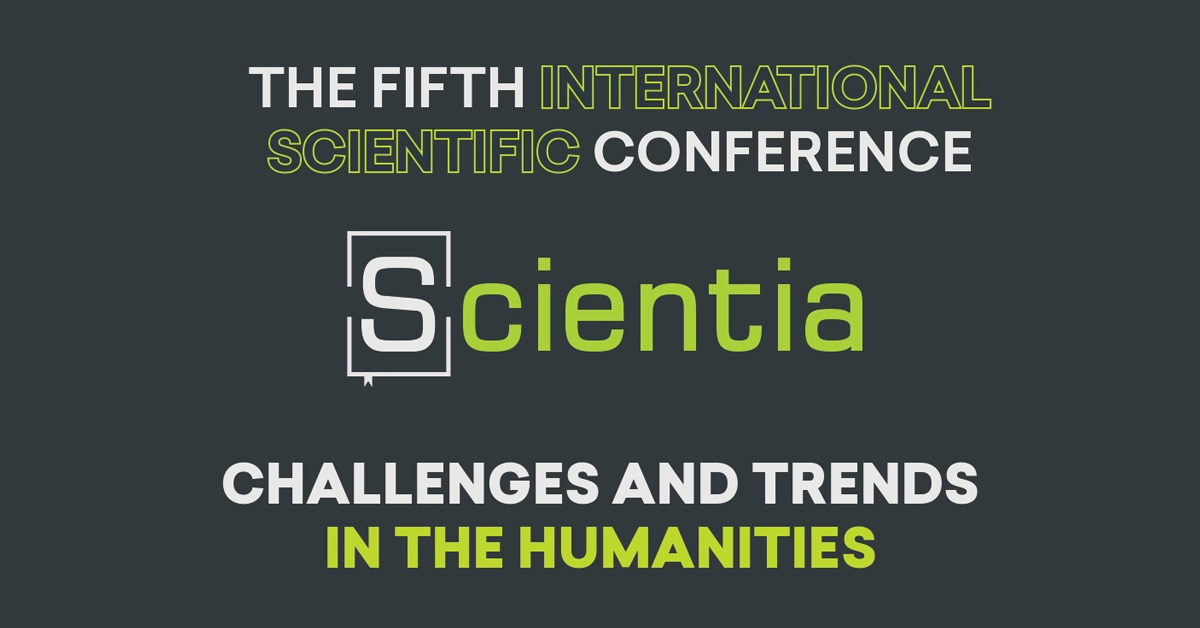
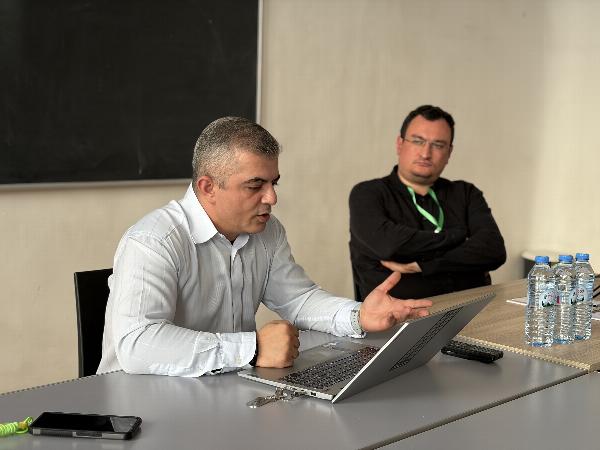
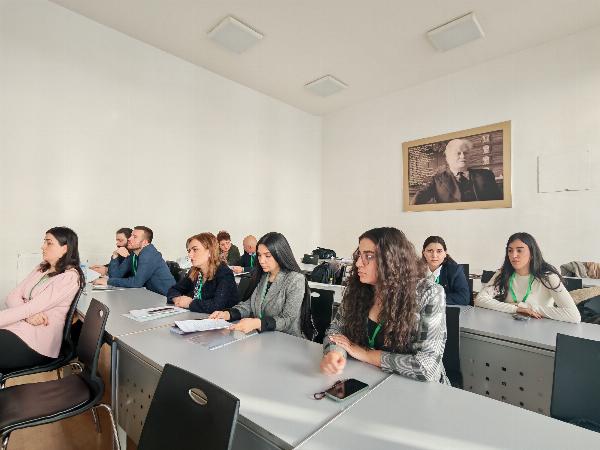
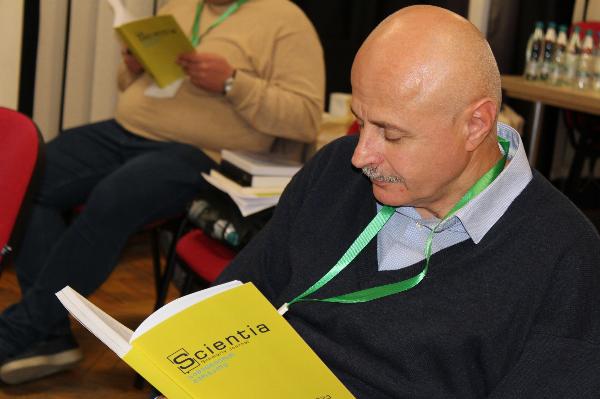
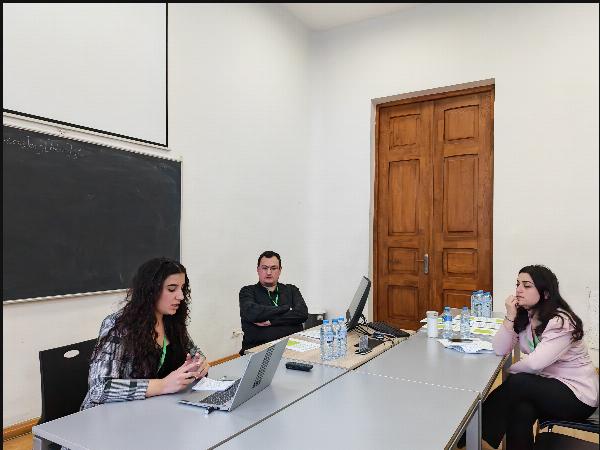
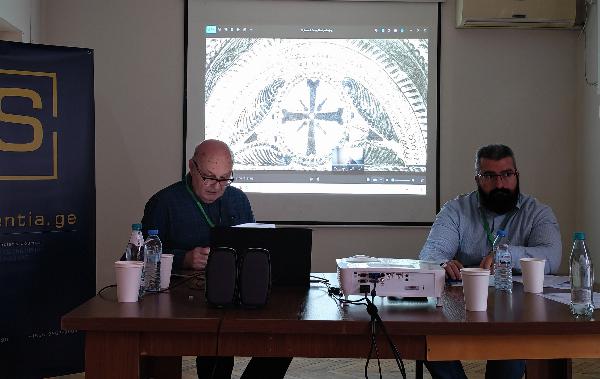
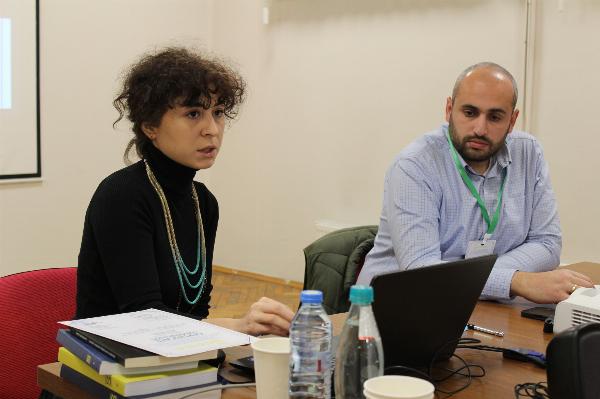
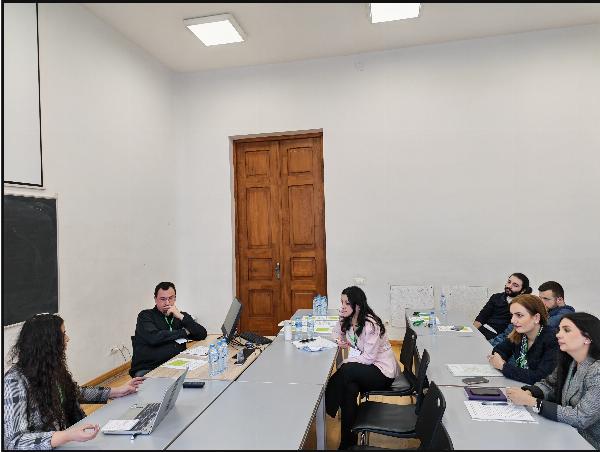
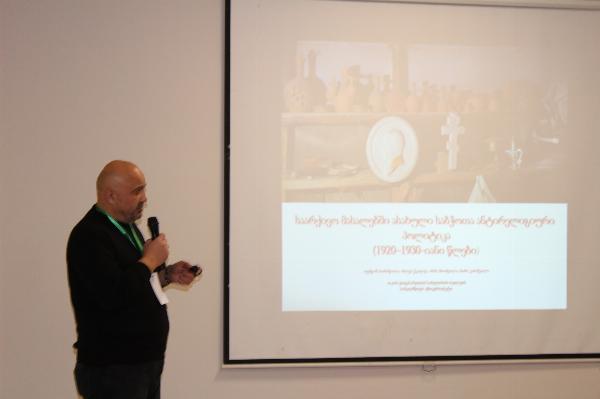
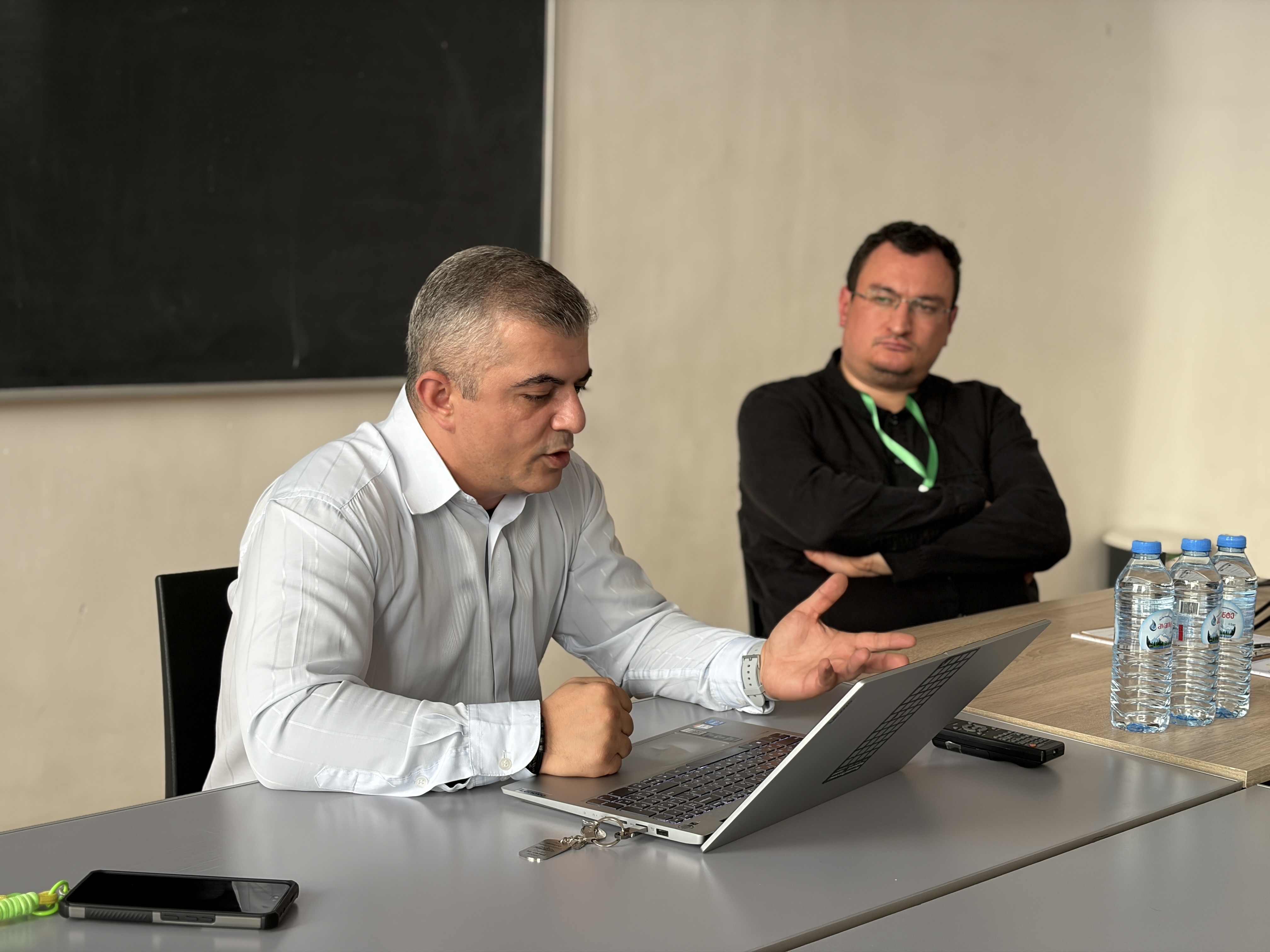
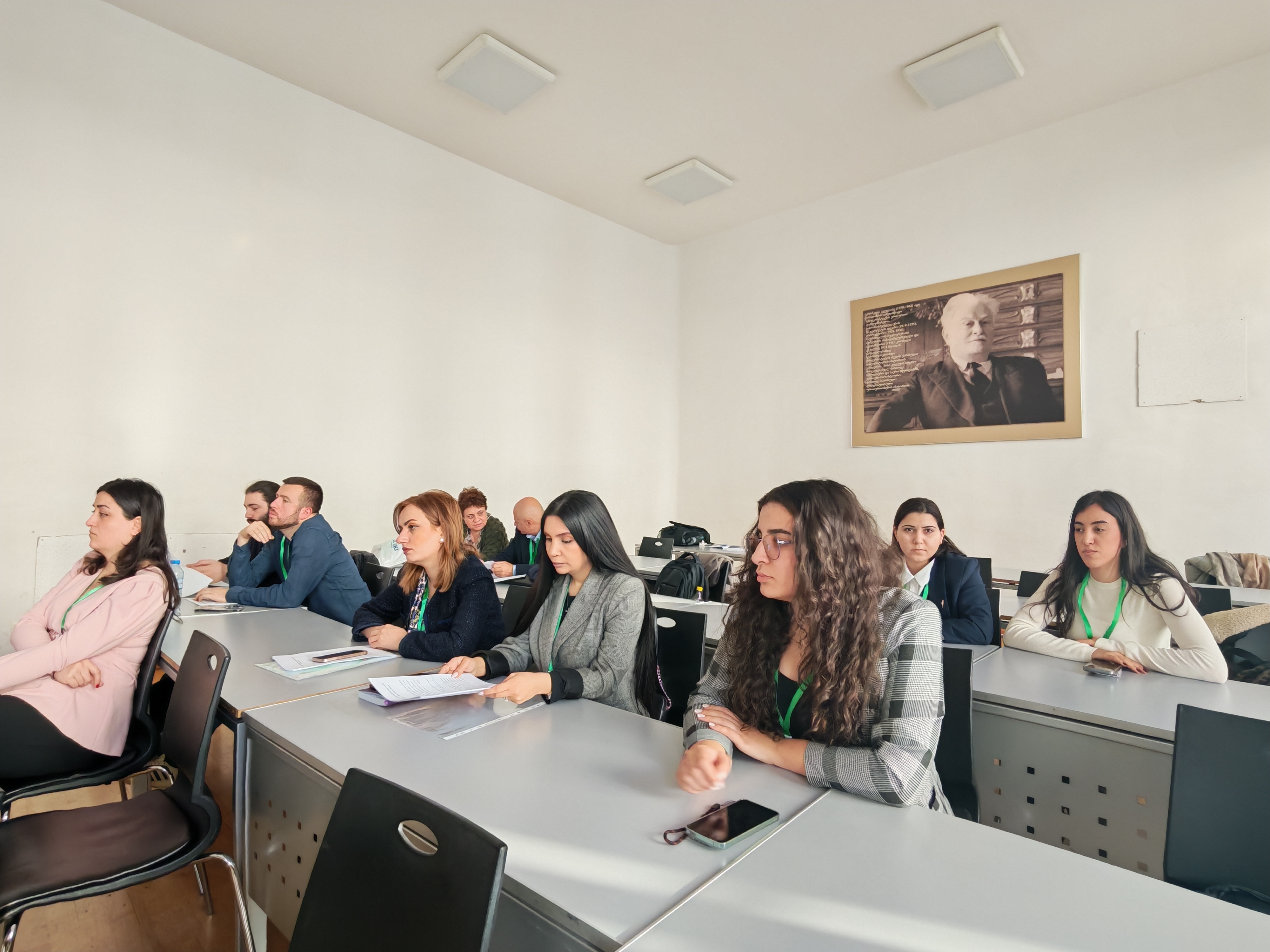
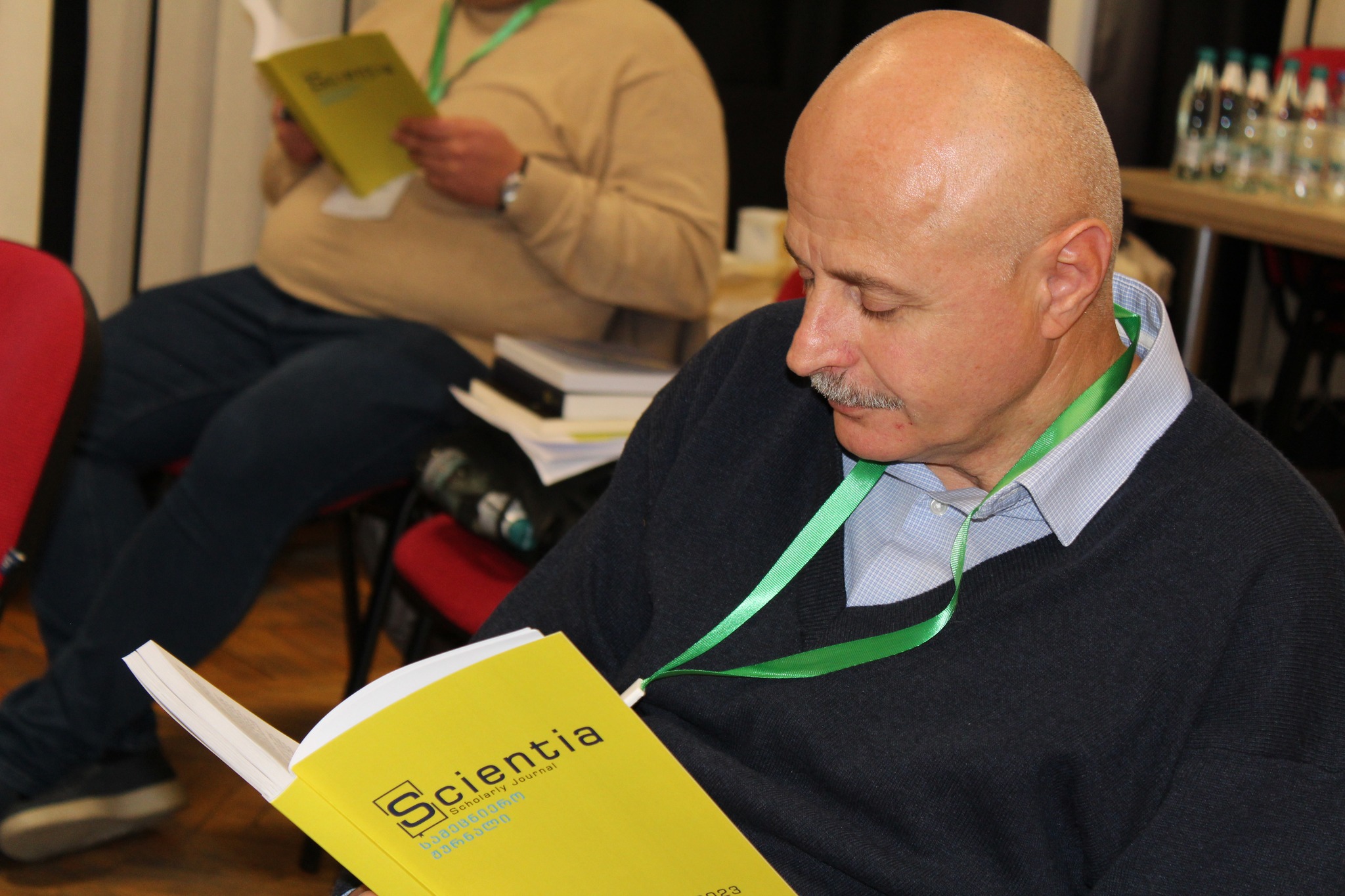
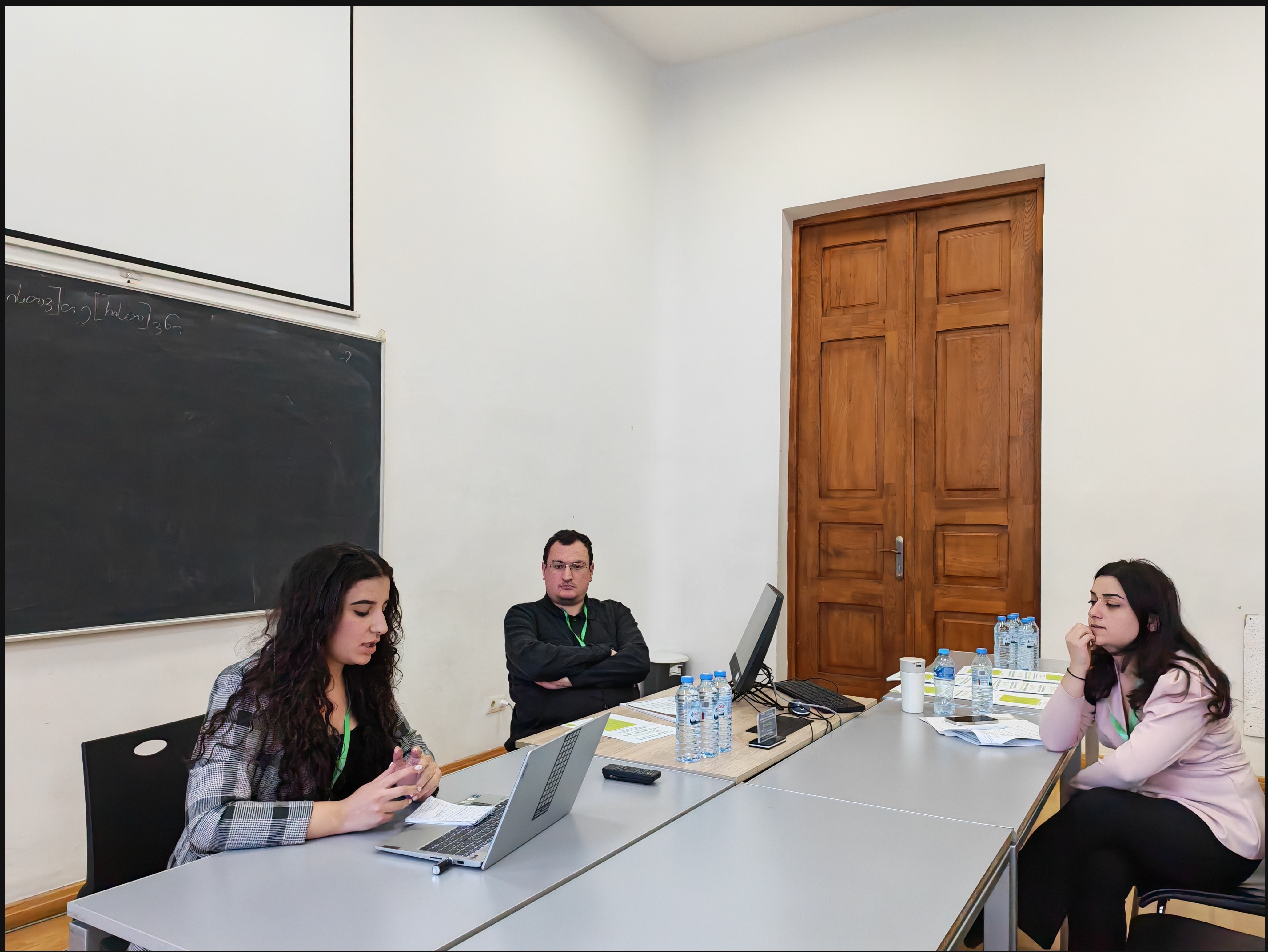
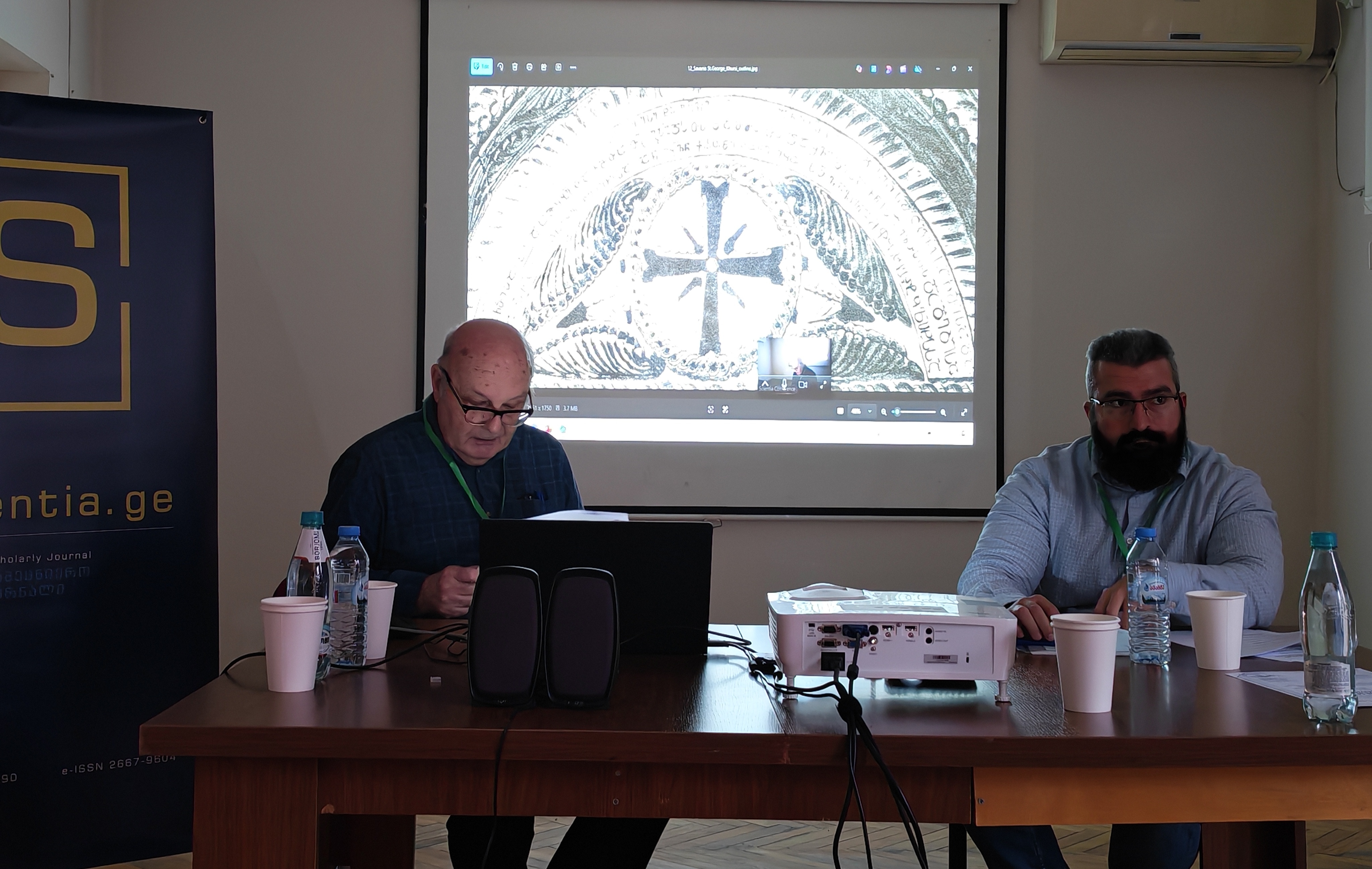
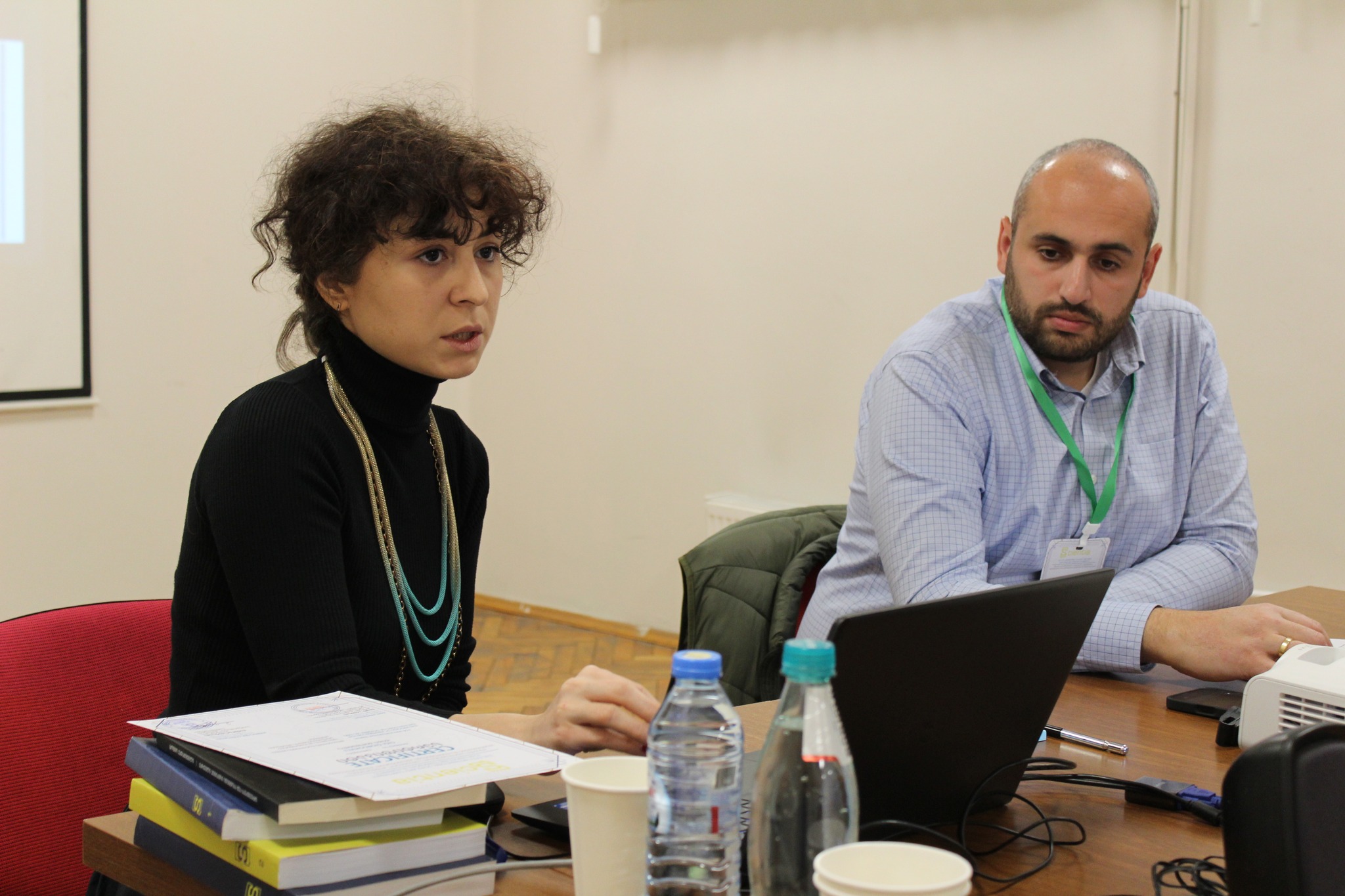
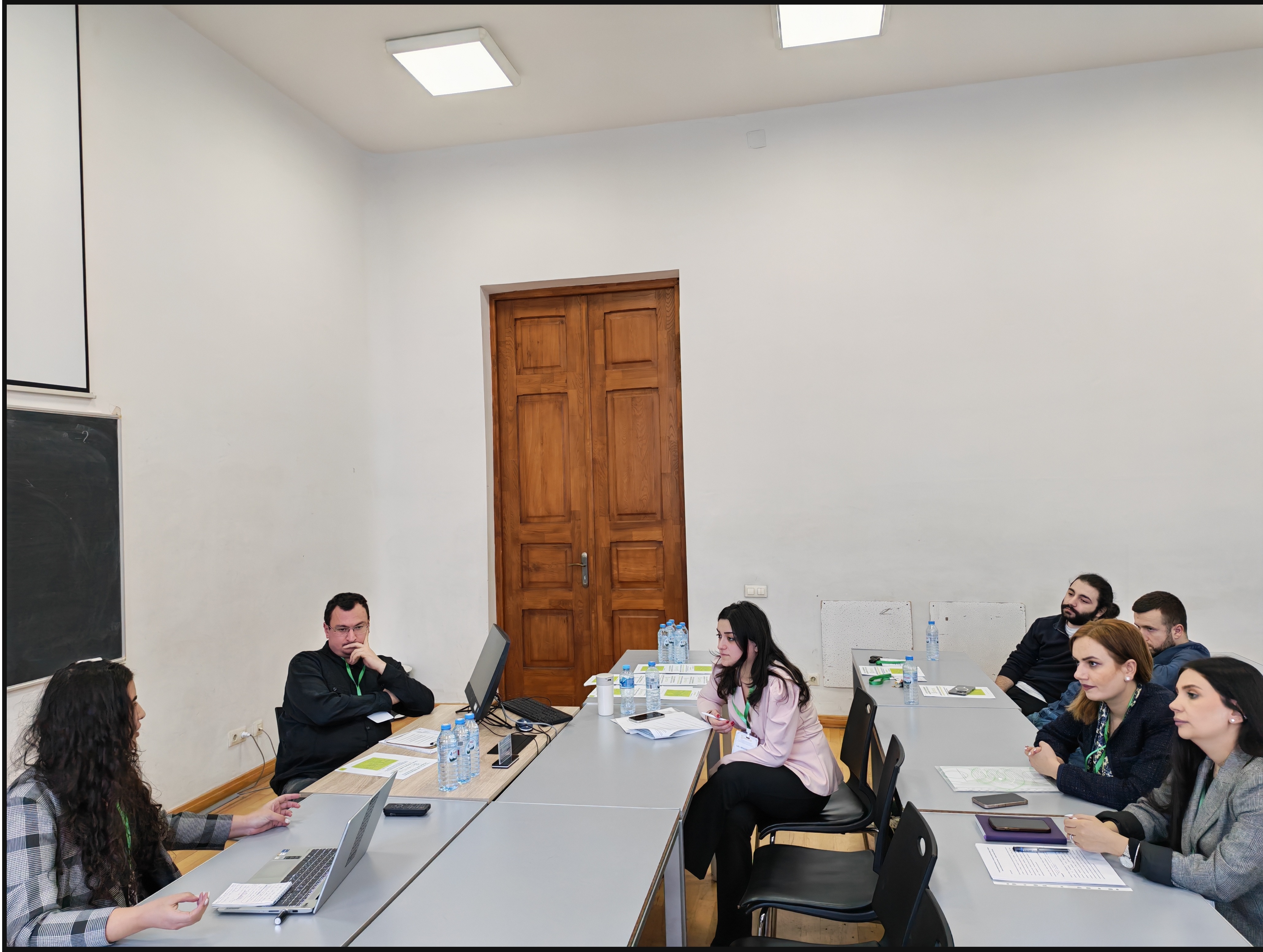
The representatives of the Geghard Foundation participated in the fifth international conference “Scientia: Challenges and Trends in the Humanities” held in Tbilisi. The event, traditionally hosted at the National Centre of Manuscripts of Georgia, aims to present contemporary research in the field of the humanities, recent scholarly developments, and current challenges, as well as to promote academic discussions around them.
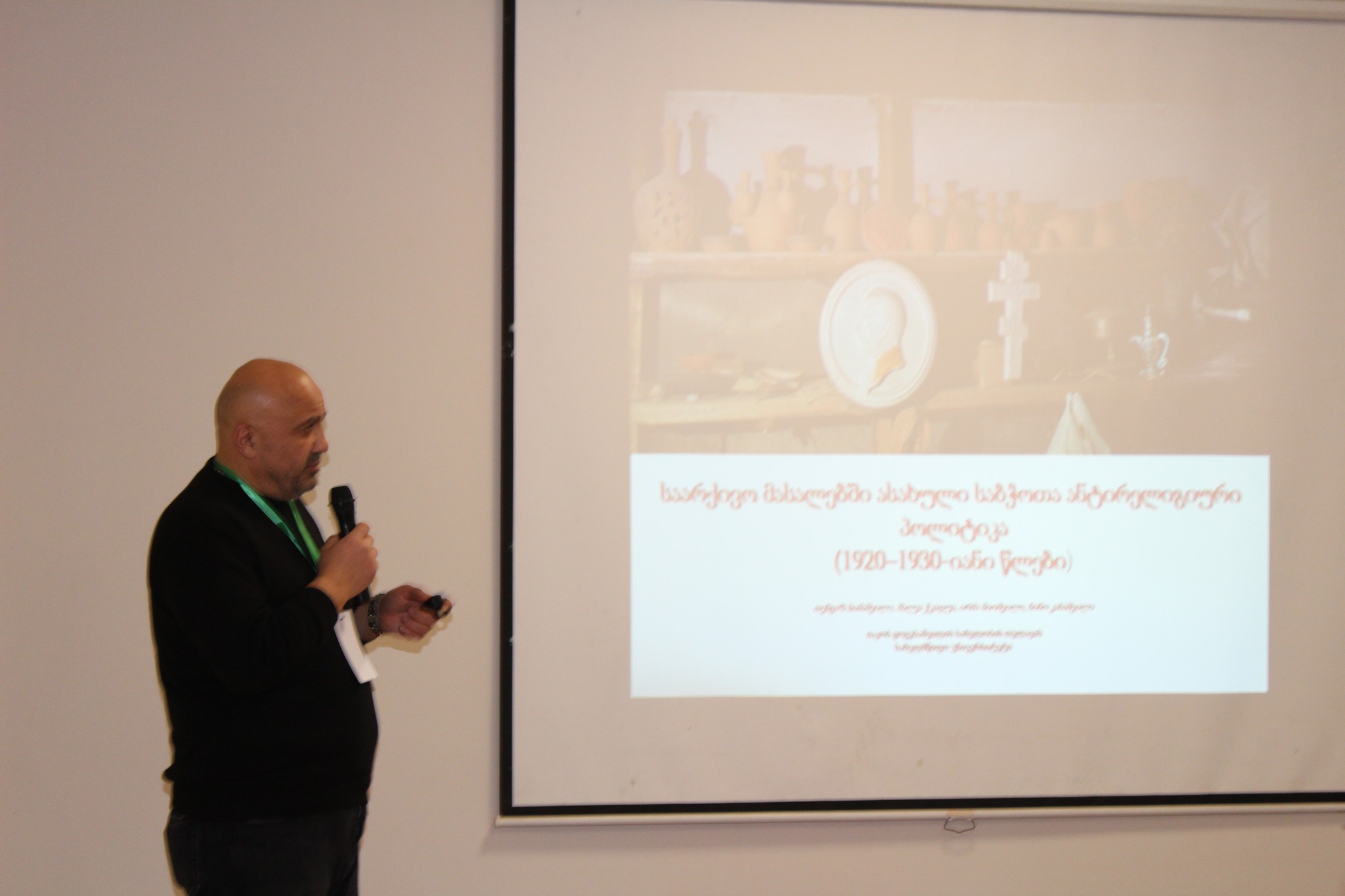
In his presentation, Gor Margaryan, PhD, Associate Professor and a researcher at the Geghard Foundation, spoke about the perception of nomadic Turkic, Mongol, and Tatar tribes in Armenian, European, Georgian, and other Christian environments. He noted that, in the context of biblical interpretations, these nomadic peoples were identified with the Scythians and the Huns.
“Based on such identifications—equating Turkic peoples and Tatars with the Scythians and the Huns—some Azerbaijani authors attempt to present the Huns and the Scythians as Azerbaijani. This, however, is incorrect and pseudo-scientific,” Gor Margaryan emphasized.
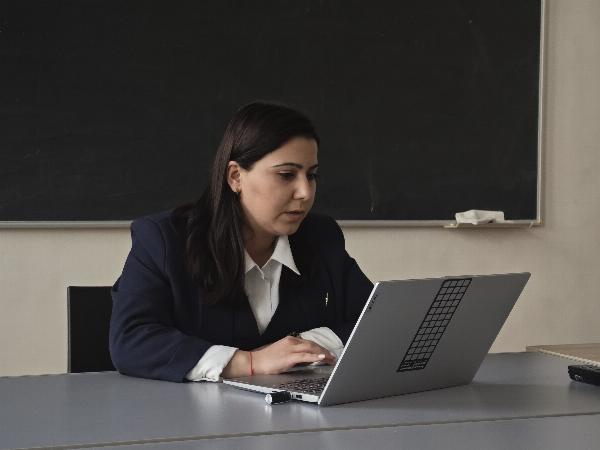
Anush Harutyunyan, PhD, addressed the principles of ethnic self-identification applied in Soviet Armenia during the 1926 All-Union Census. “Soviet censuses not only recorded identities but also actively reconfigured them, contributing to the subsequent consolidation of diverse Turkic-speaking groups into the category of ‘Azerbaijanis,’” Anush Harutyunyan noted.
Arevik Harutyunyan spoke about the attitudes of Azerbaijanis living in Georgia toward the local Armenian population. “Studies show that state-sponsored Azerbaijani propaganda, pseudo-scholarly materials disseminated through Georgian libraries, and the systematic spread of anti-Armenian disinformation on social media platforms have significantly influenced the attitudes of the Azerbaijani minority in Georgia,” Arevik Harutyunyan emphasized.
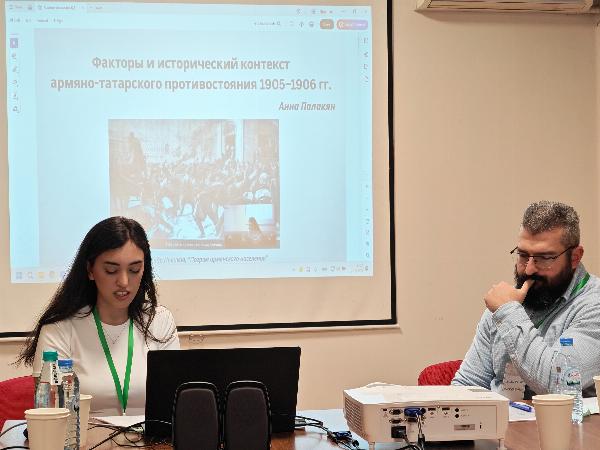
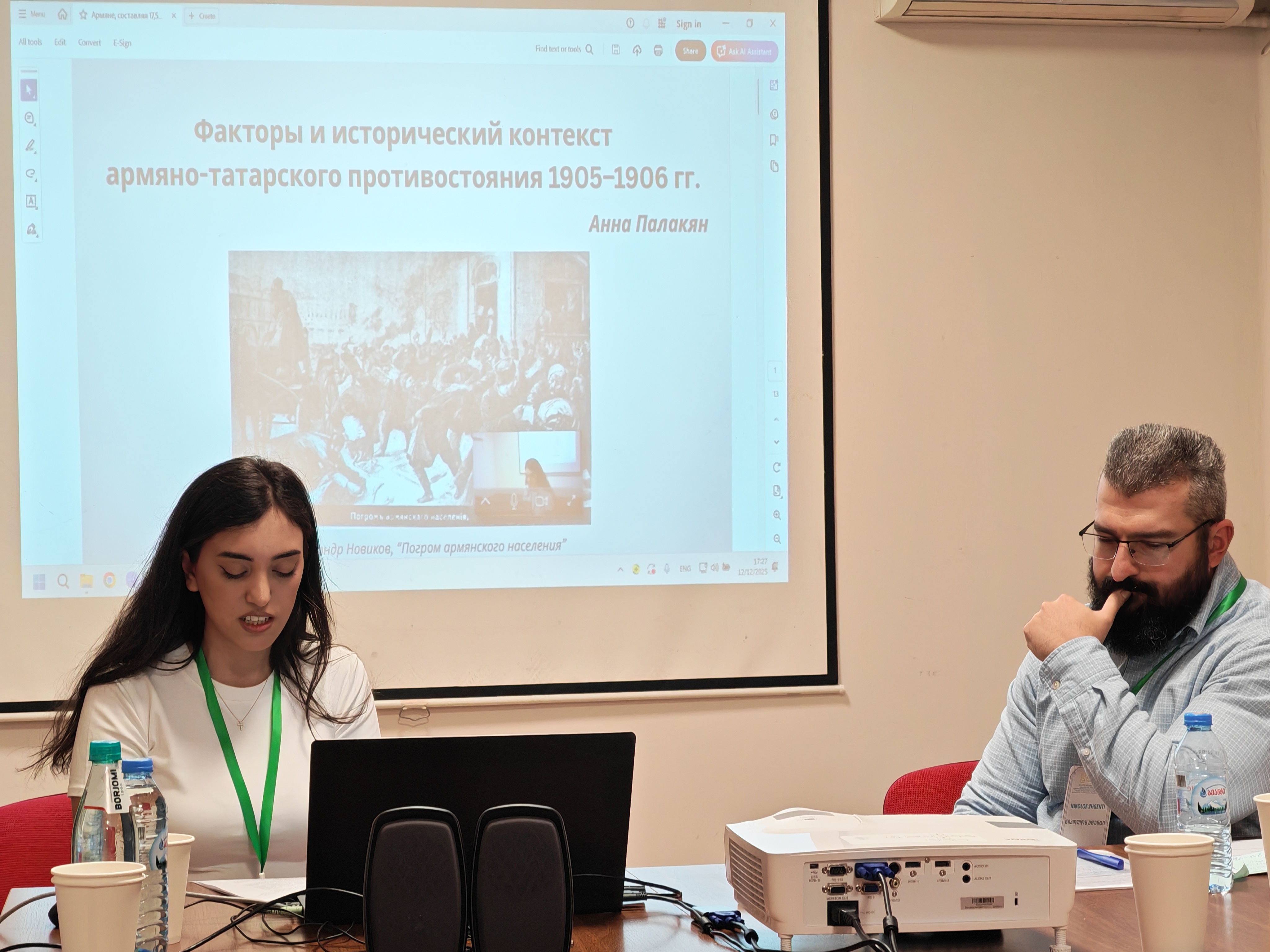
Anna Palakyan discussed the Armenian–Tatar clashes of 1905–1906 and their historical background. “In all likelihood, the Armenian–Tatar clashes were instigated by the Tsarist authorities. Their causes lay in the tensions that had accumulated in the Caucasus over decades at the political, socio-economic, religious, and ethnic levels,” Anna Palakyan noted.
The conference was attended by Hirotake Maeda, a researcher at Tokyo Metropolitan University, who presented his study on perceptions of Georgian society in the late Middle Ages, and Shota Matitashvili, a lecturer at Caucasus University (Georgia), who examined Armenian–Georgian ecclesiastical relations. A presentation by researcher David Merkvildze focused on the phenomenon of the slave trade that persisted in Georgia until the early modern period. Nato Songhulashvili, a researcher at the Ivane Javakhishvili Institute of History and Archaeology in Tbilisi, delivered a paper on the Batumi question during the Russian–Turkish wars of the 18th and 19th centuries.
Covering a broad range of topics within the humanities, the conference also featured substantive discussions.