“GEGHARD”
SCIENTIFIC ANALYTICAL
FOUNDATION


2026
2026
2025-12-02
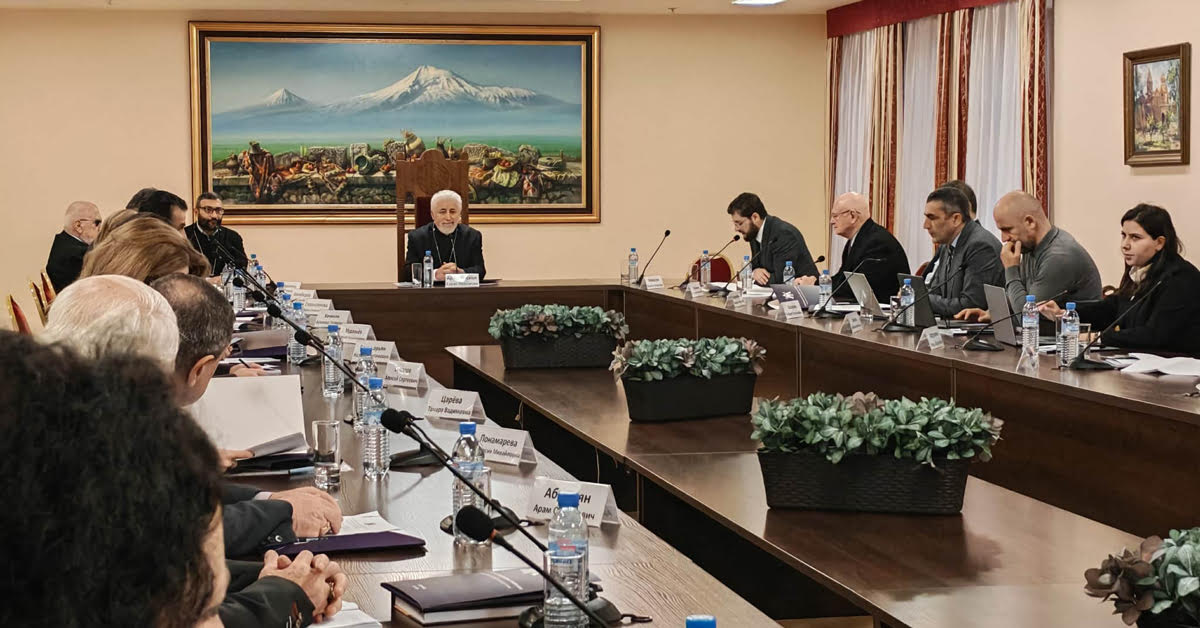
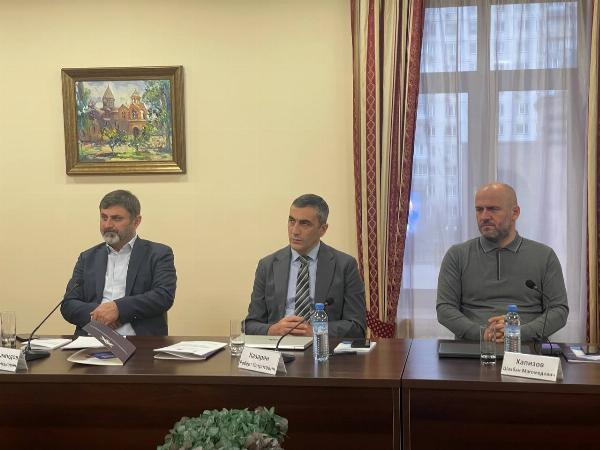
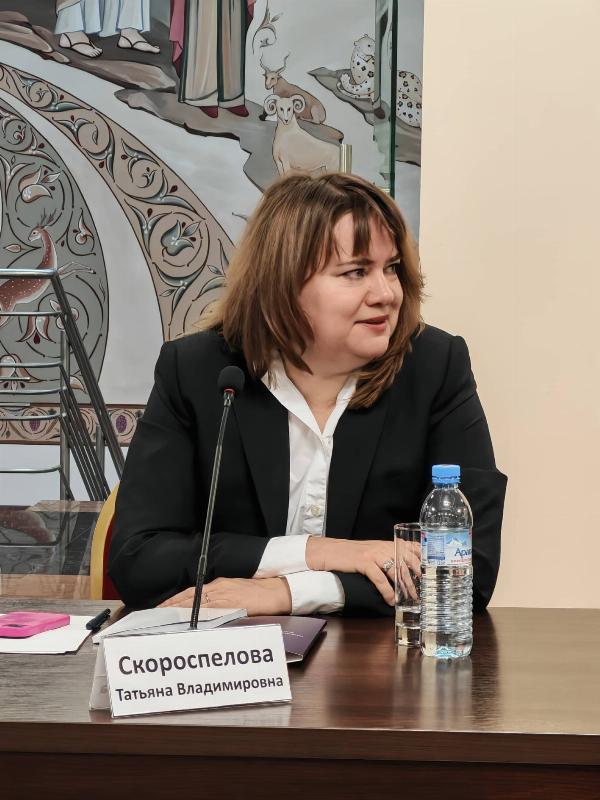
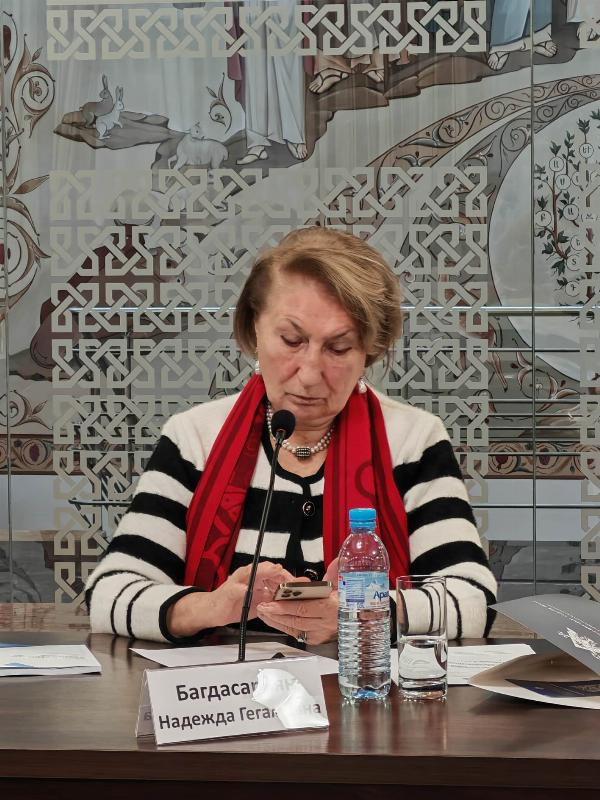
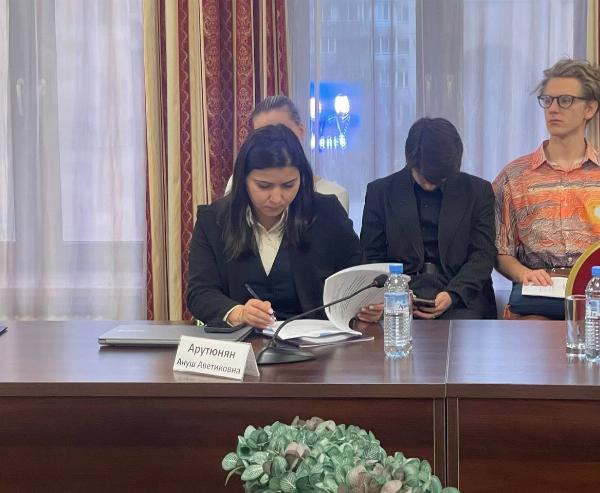
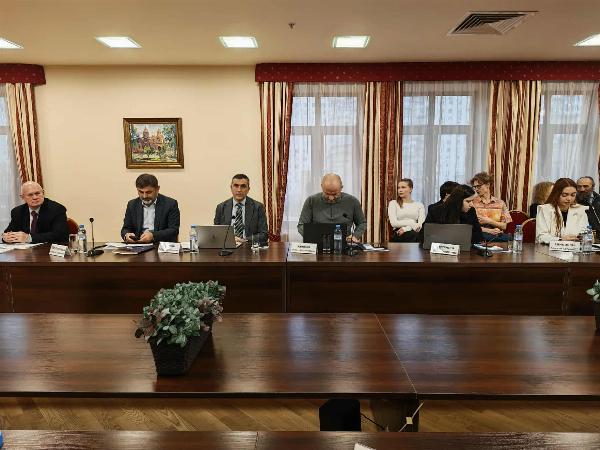
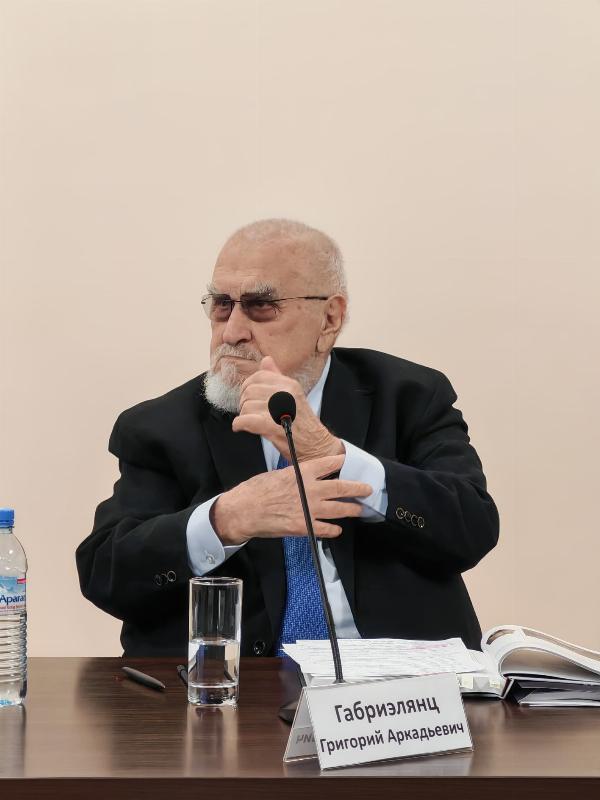
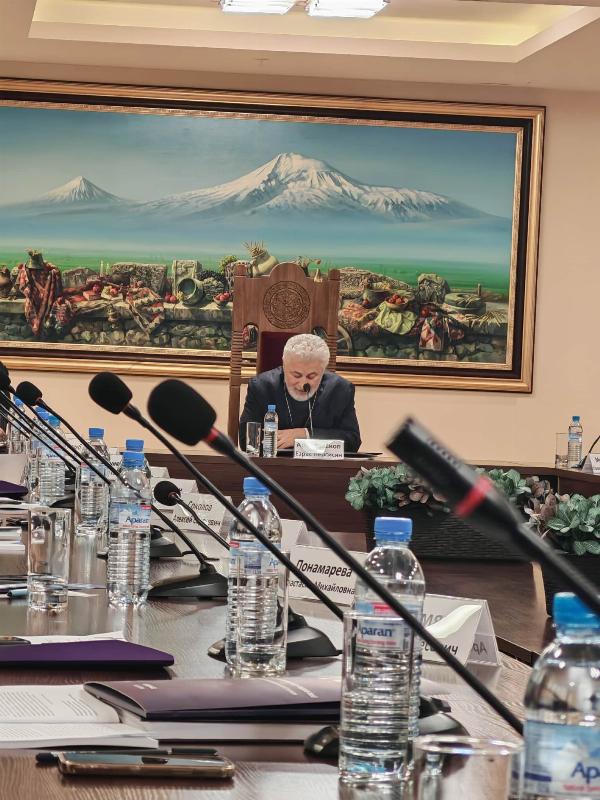
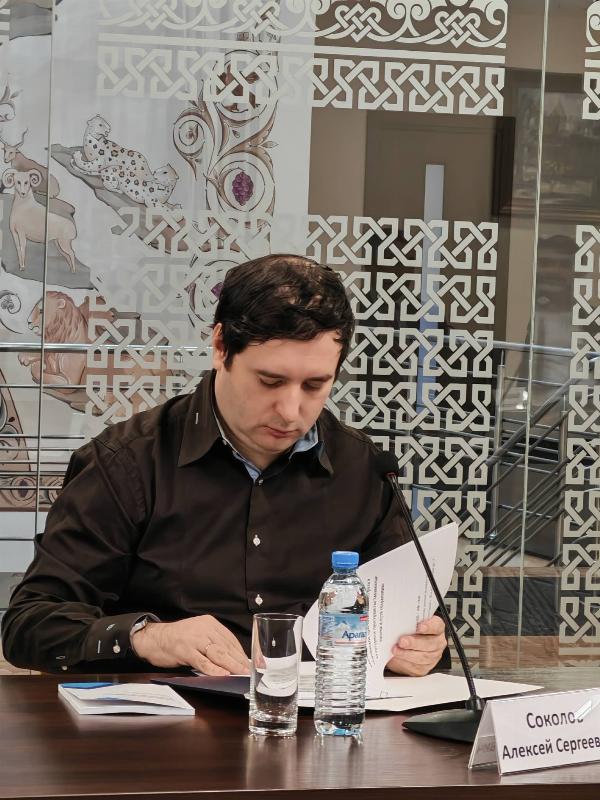
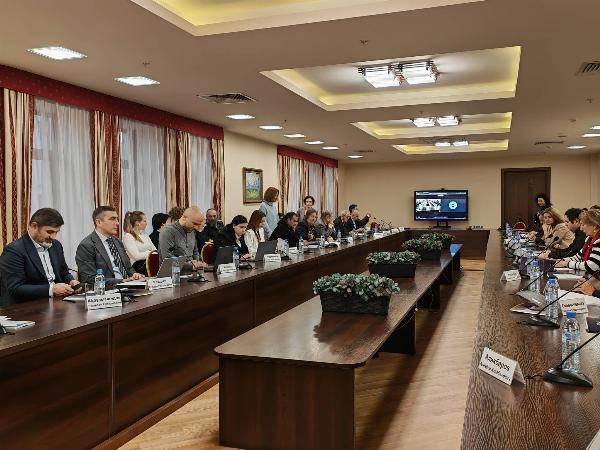
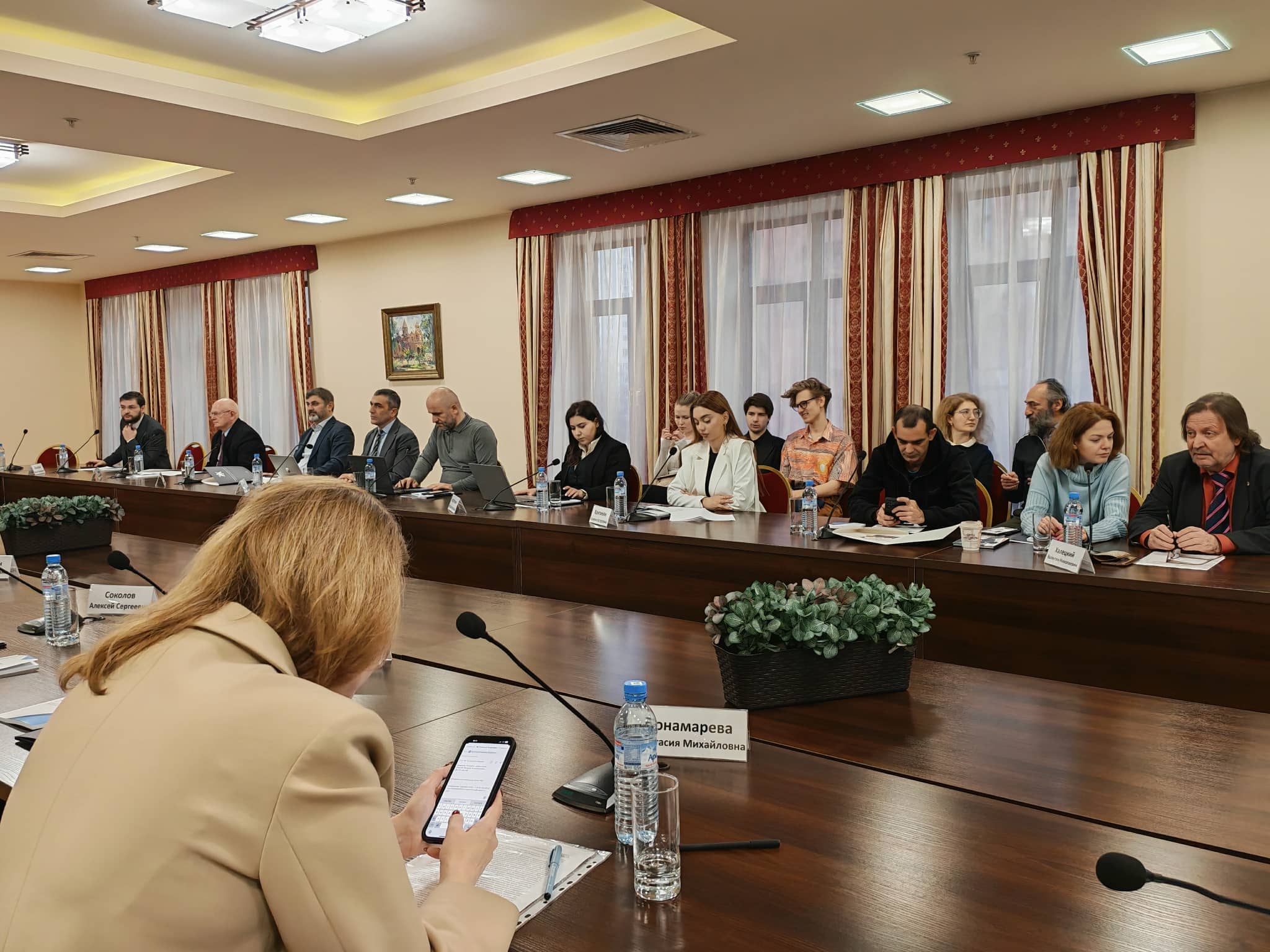
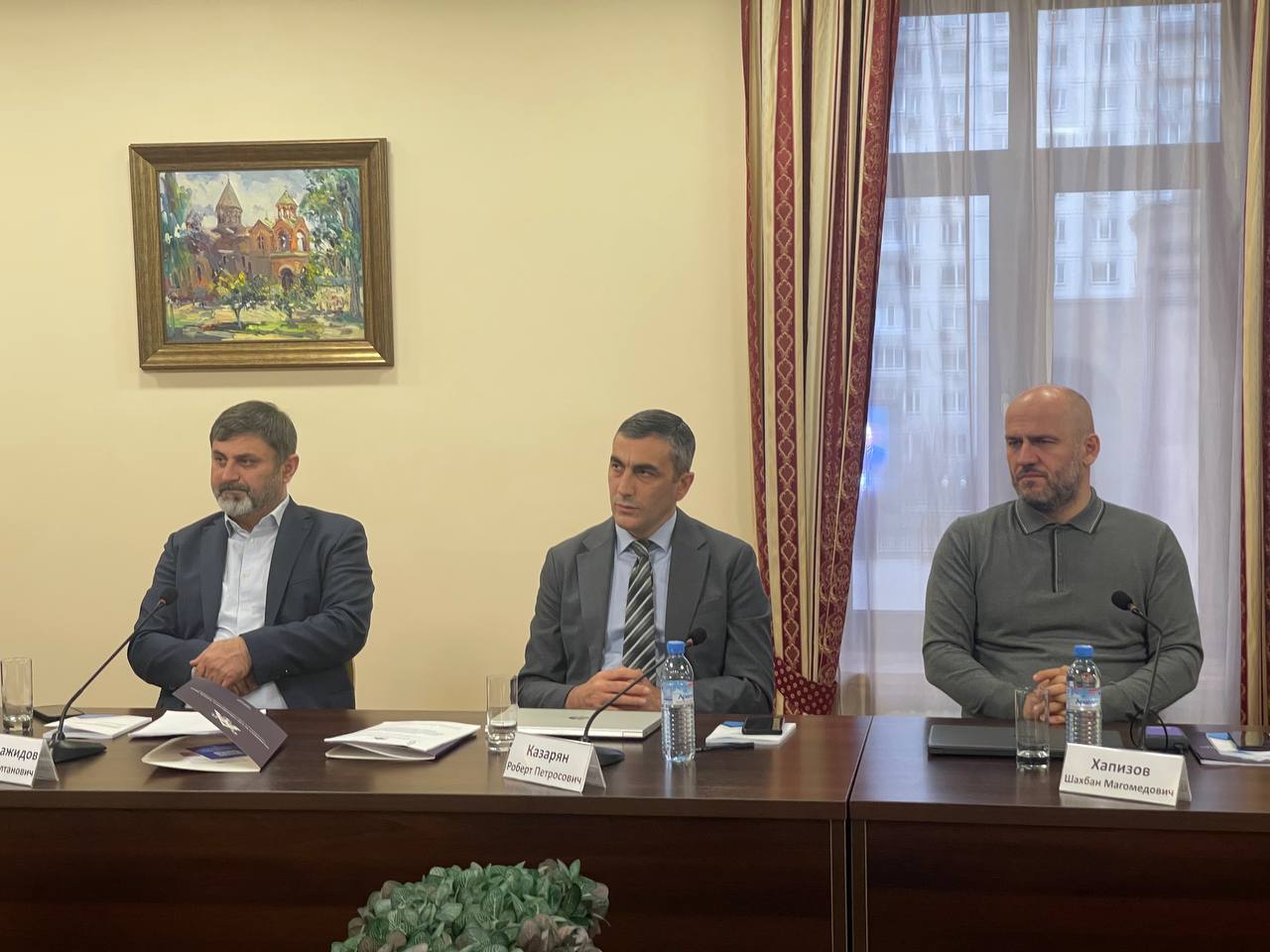
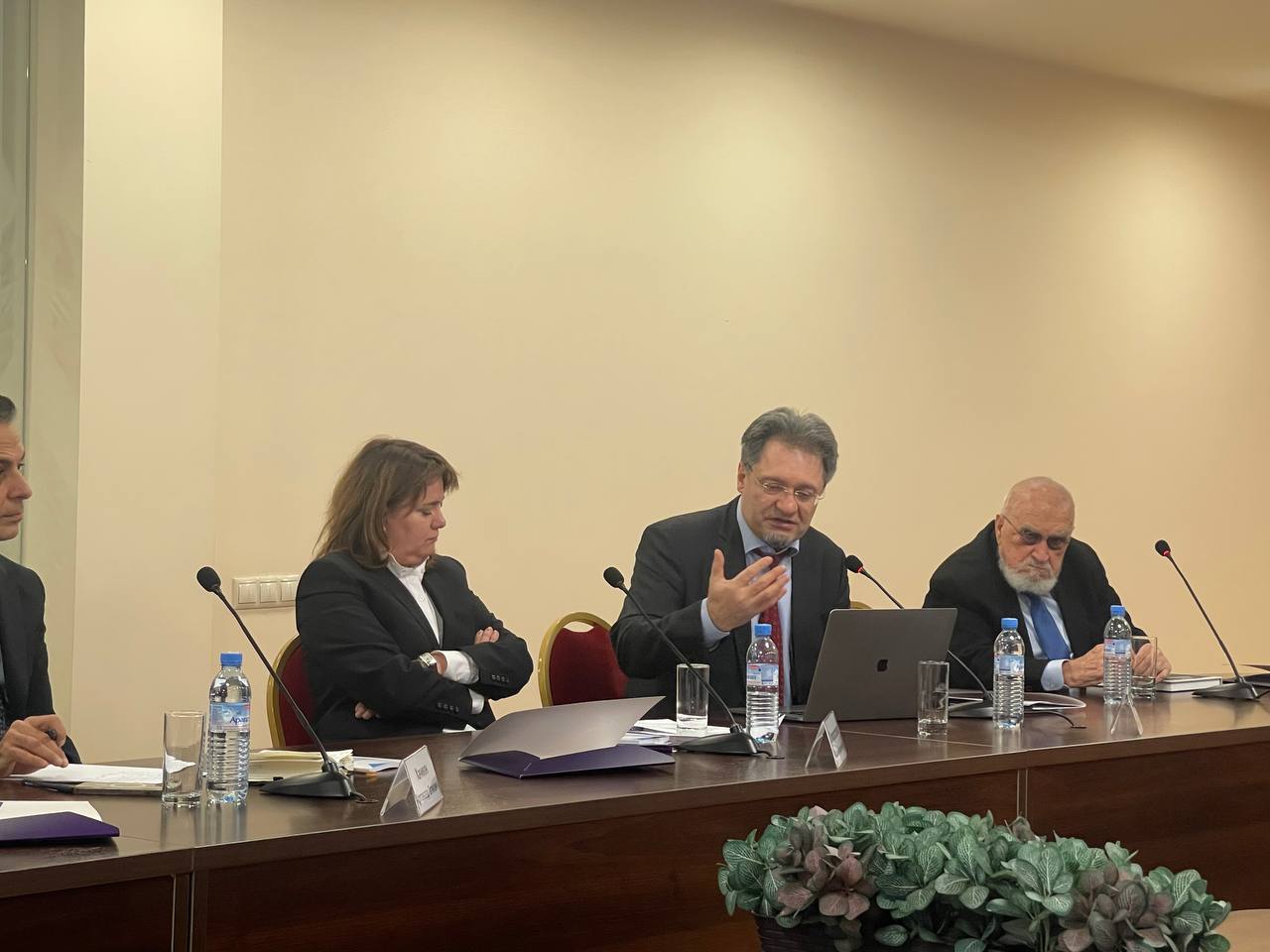
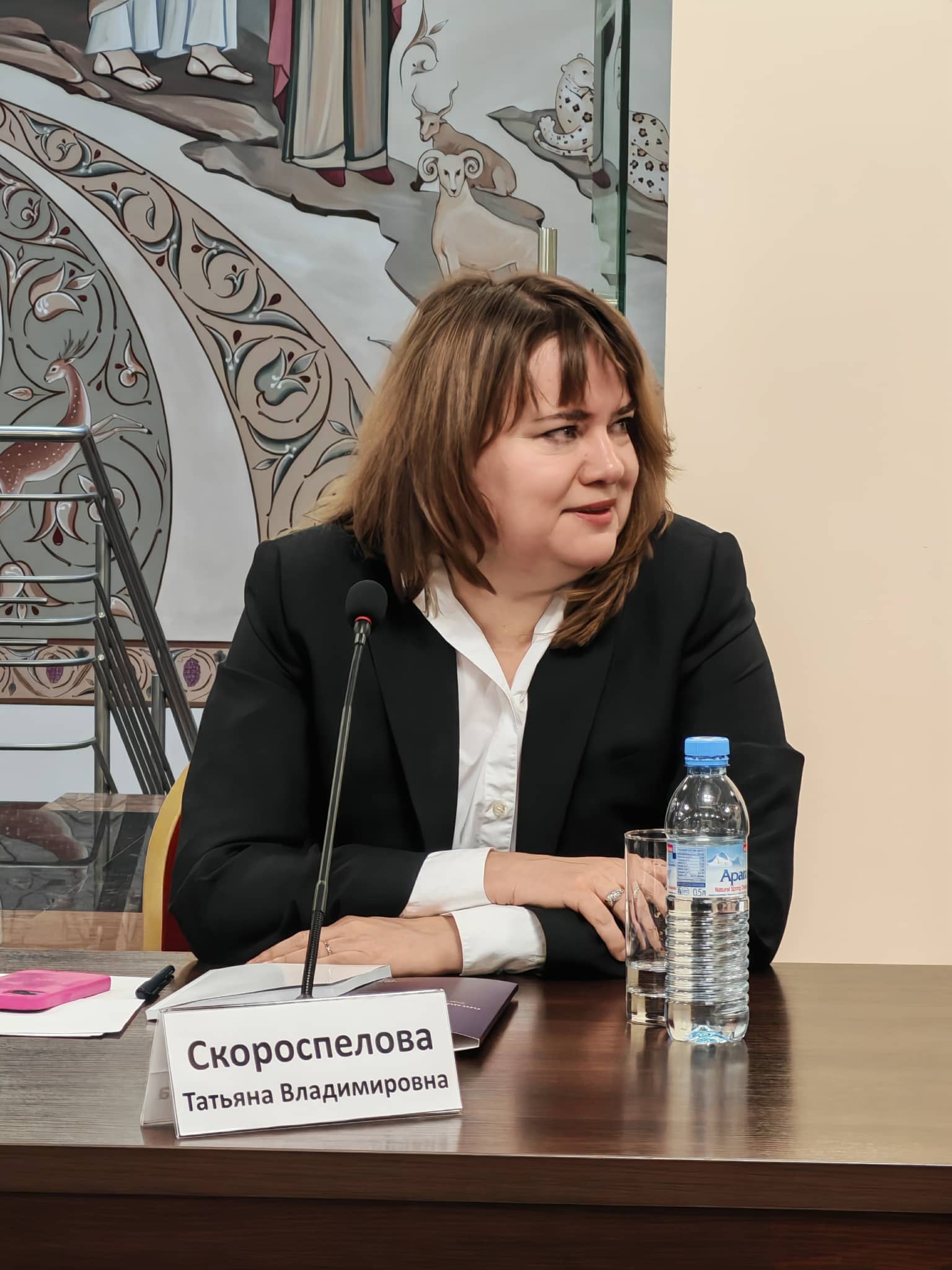
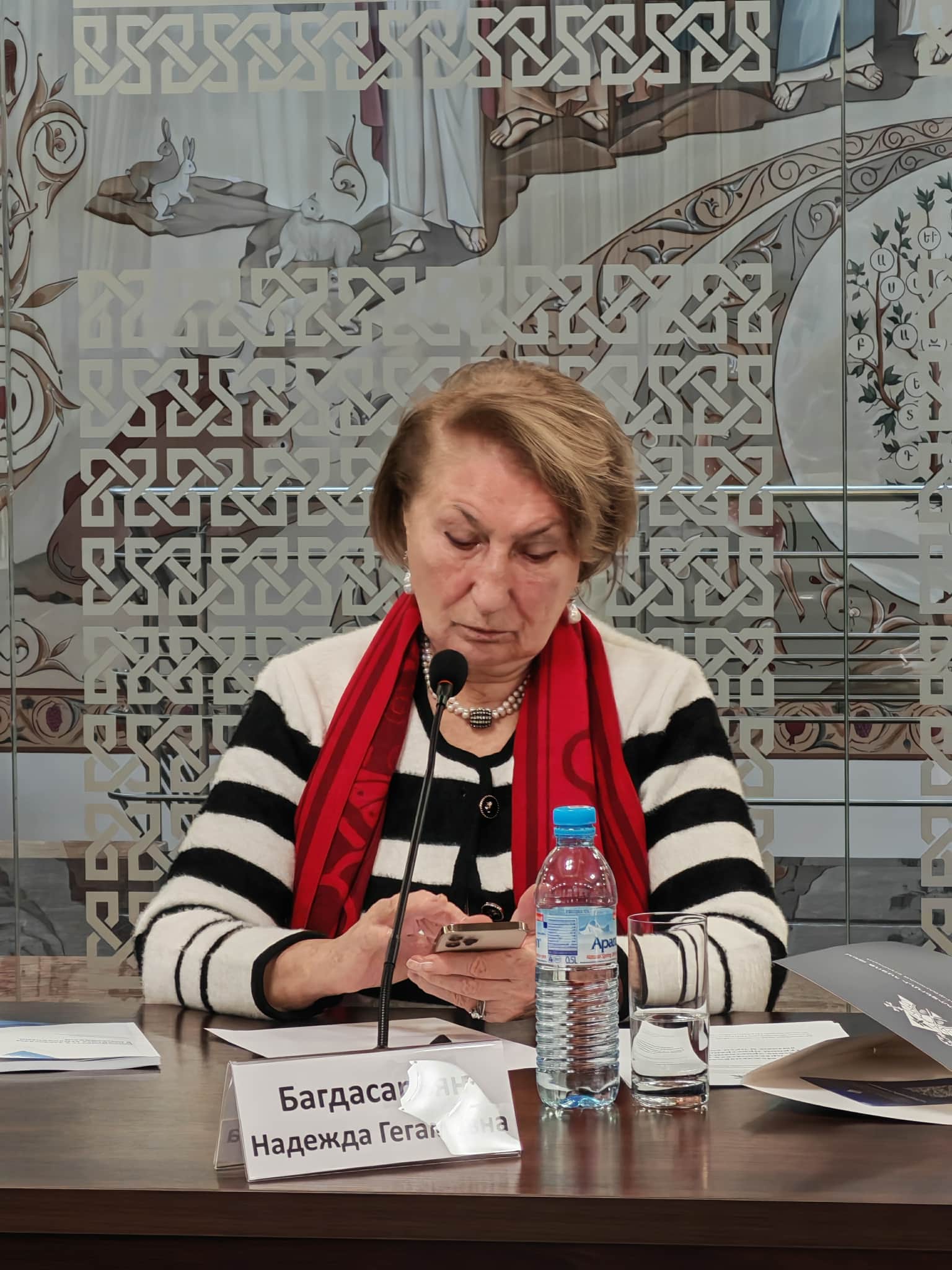
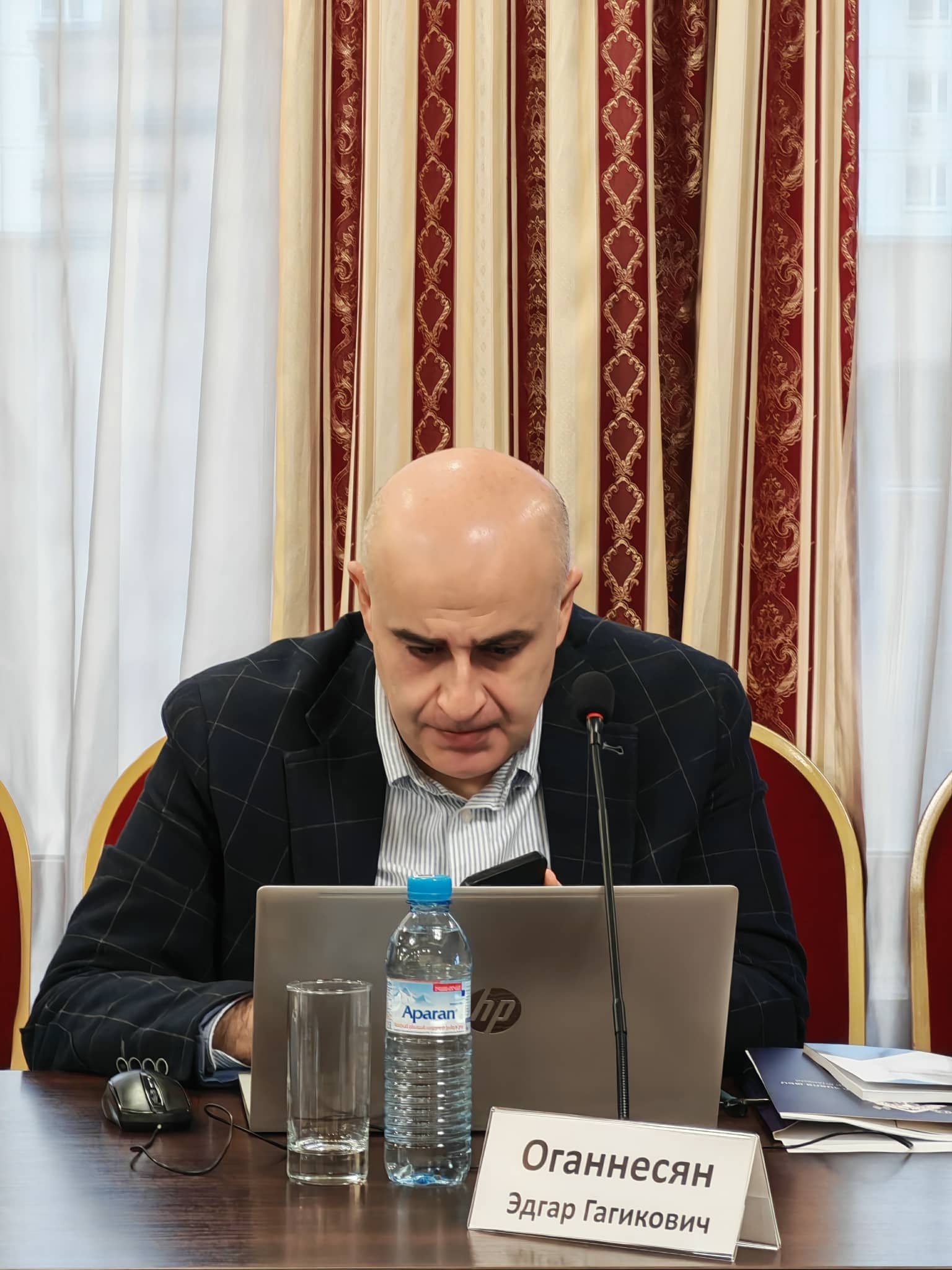
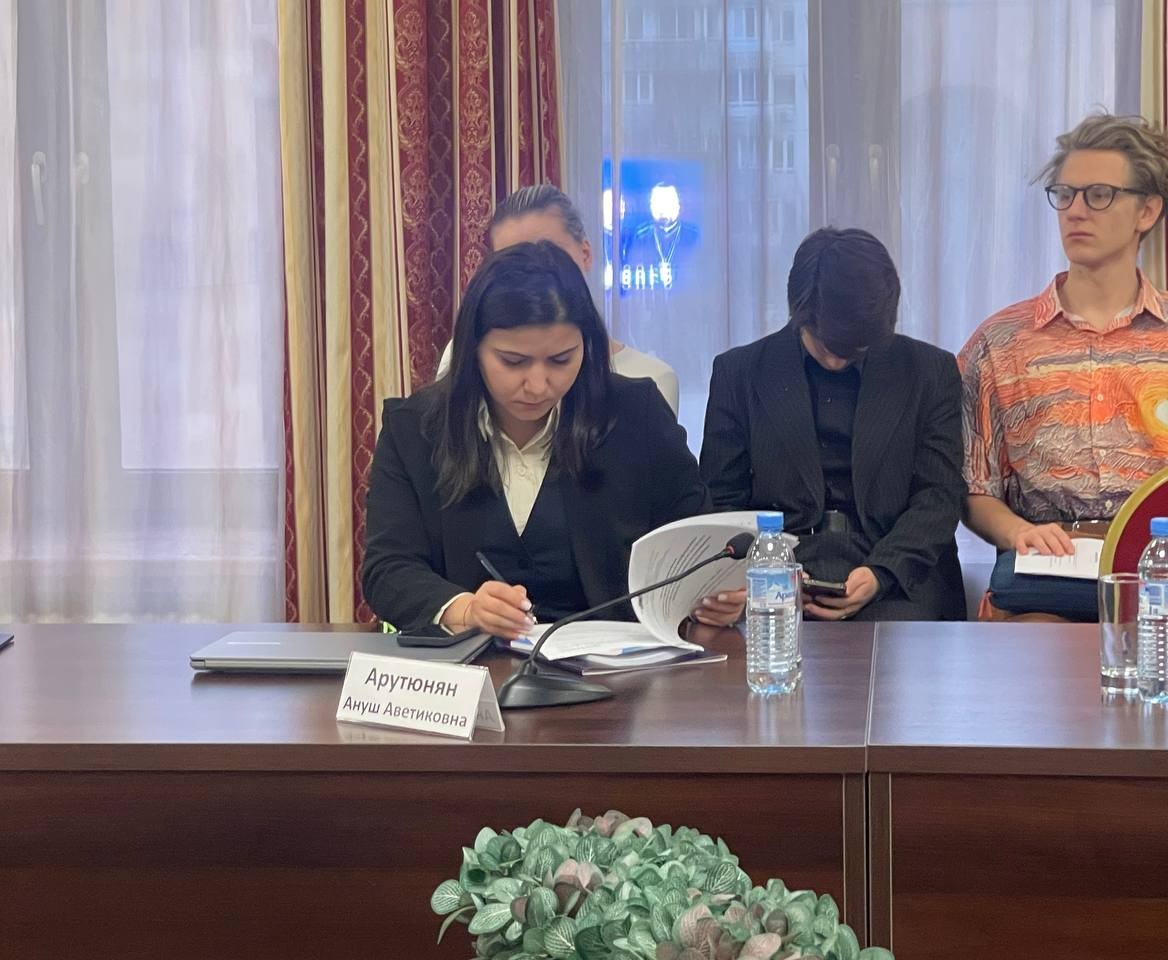
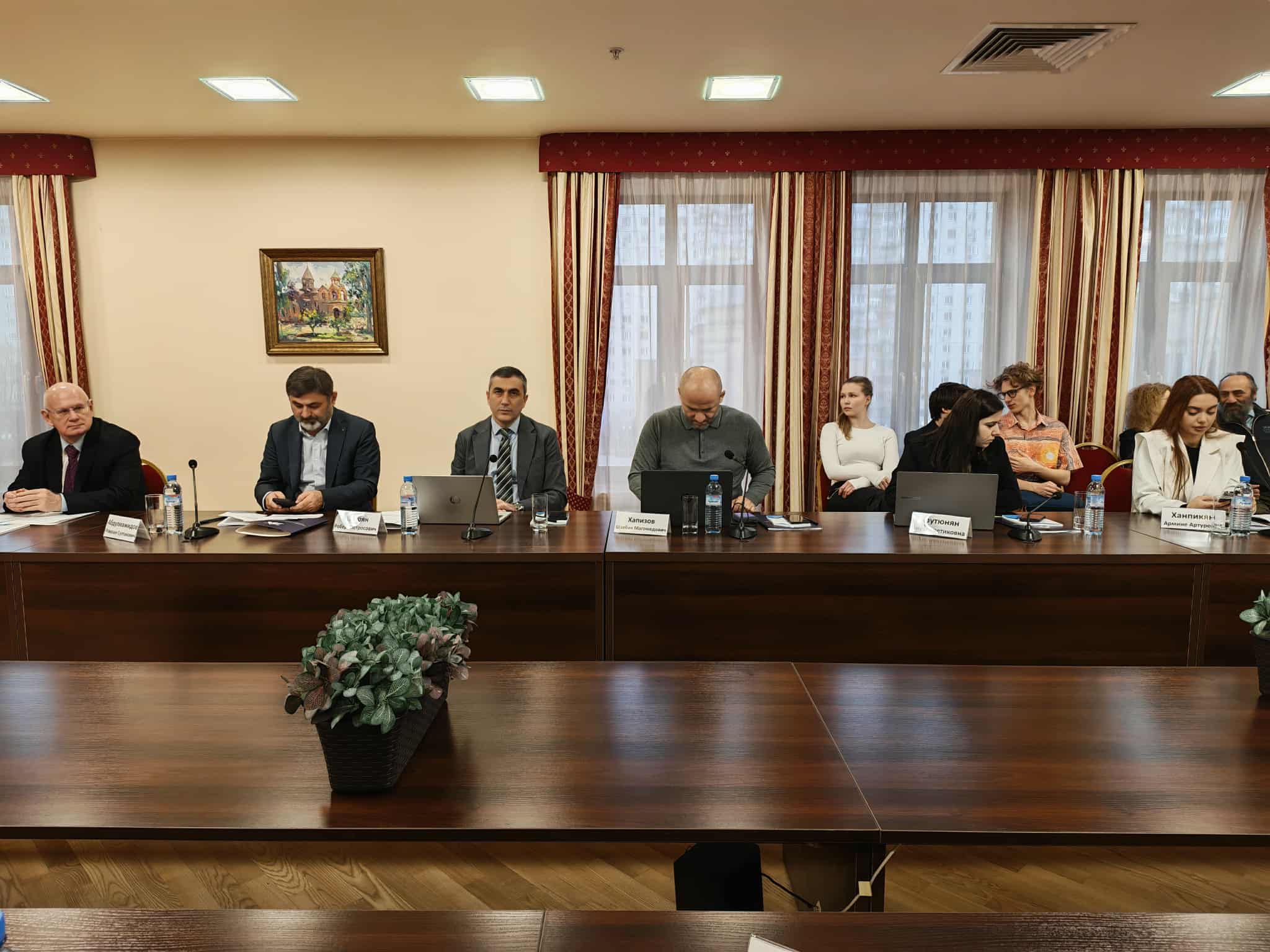
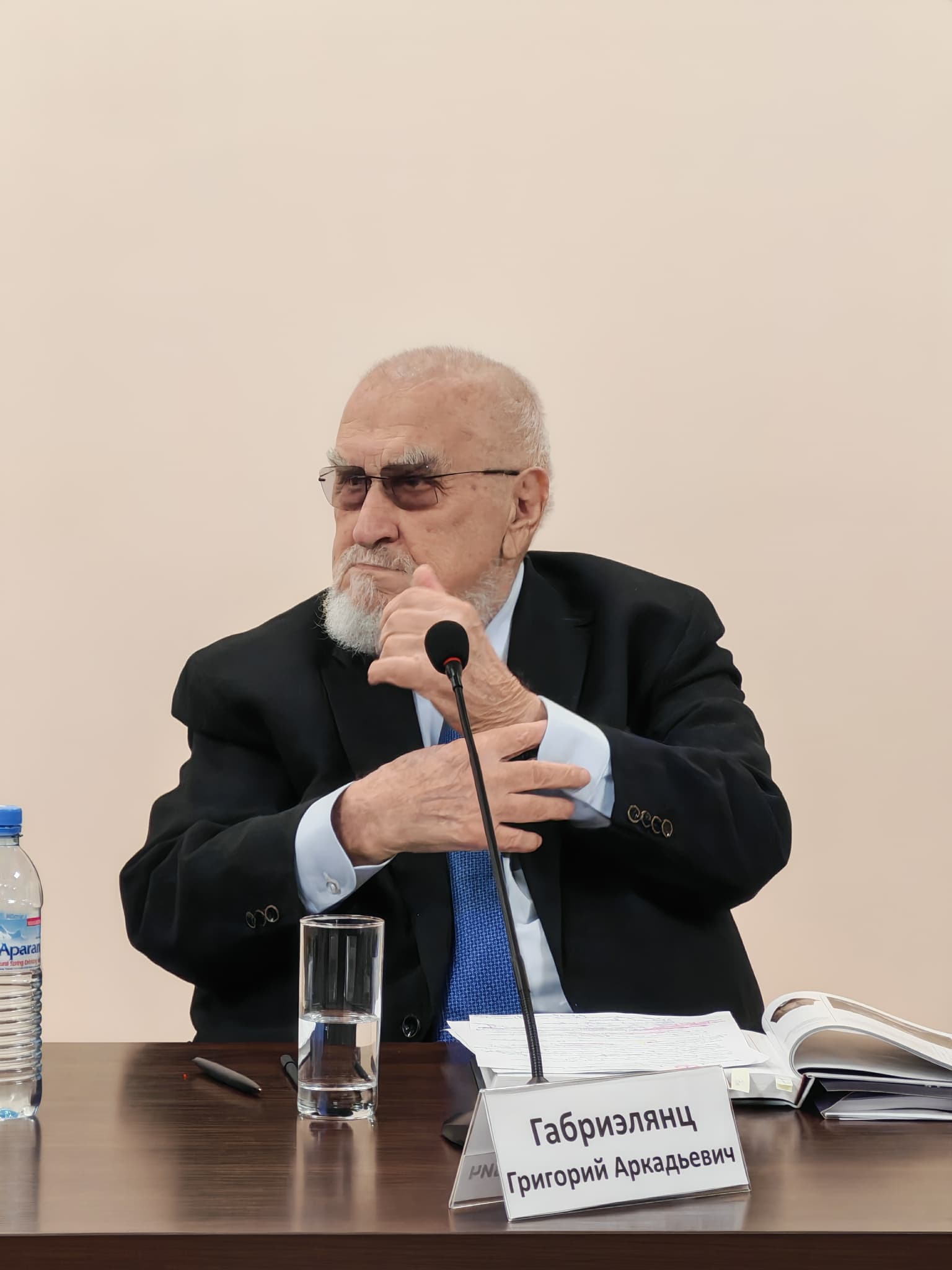
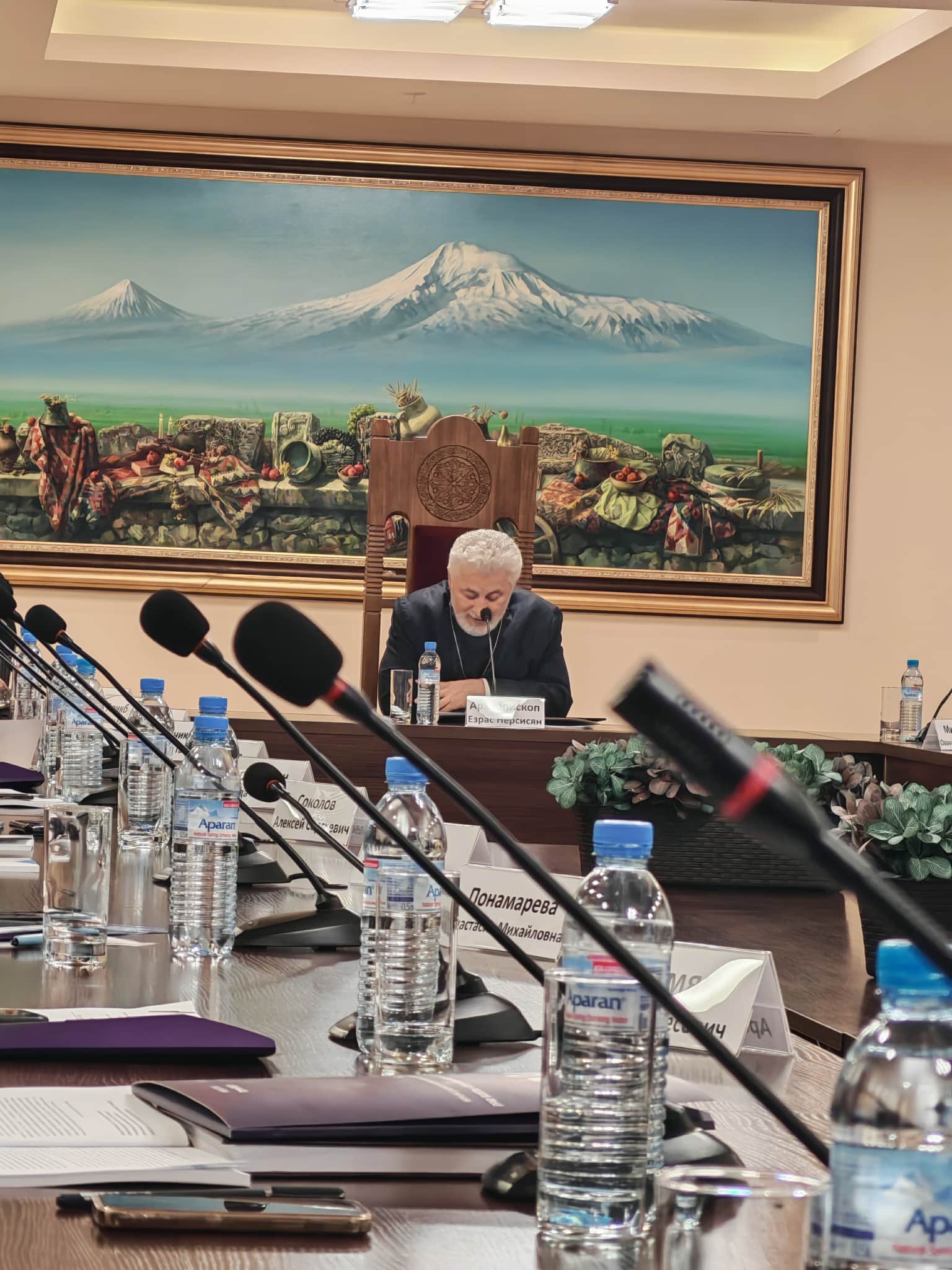
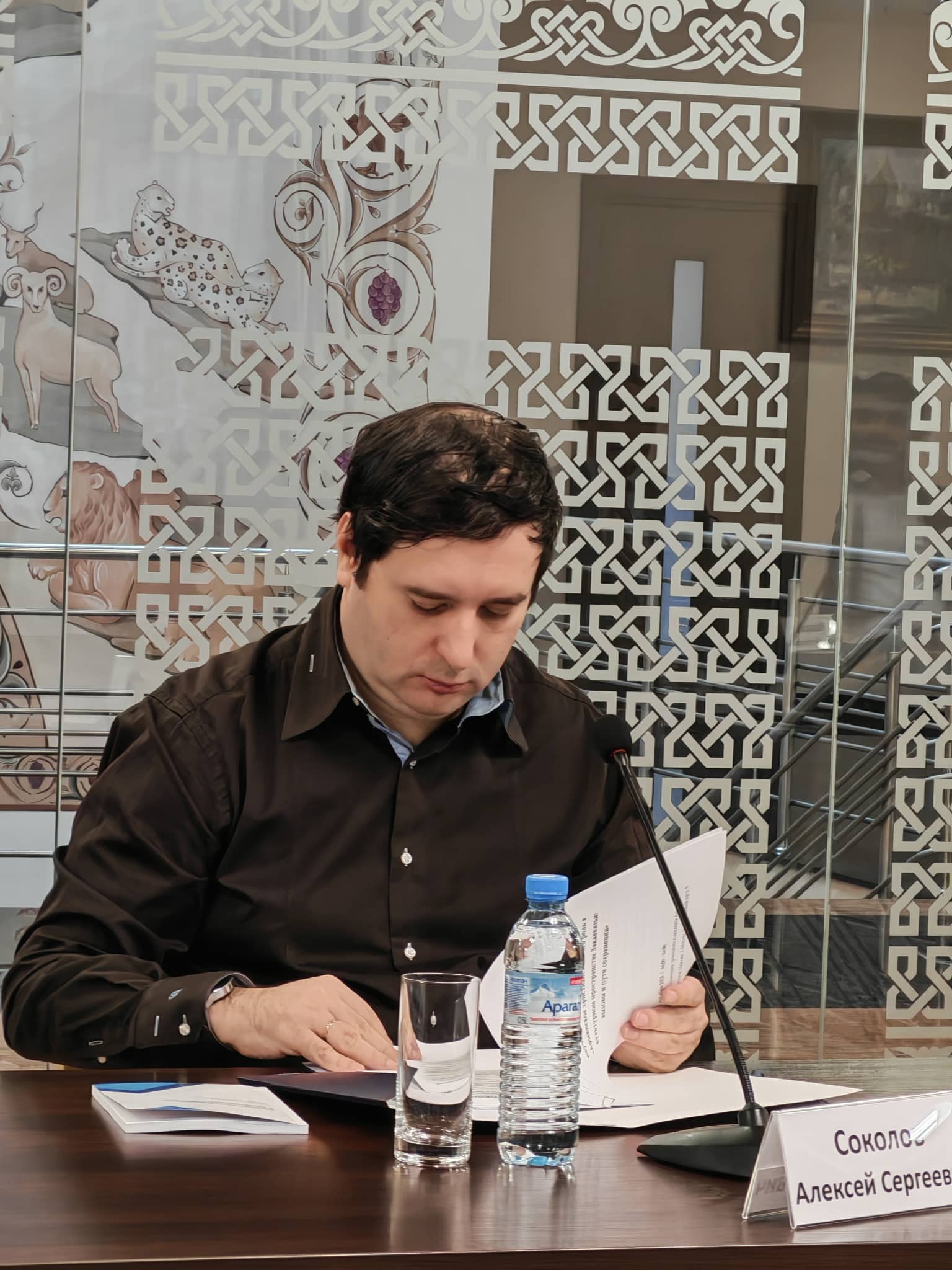
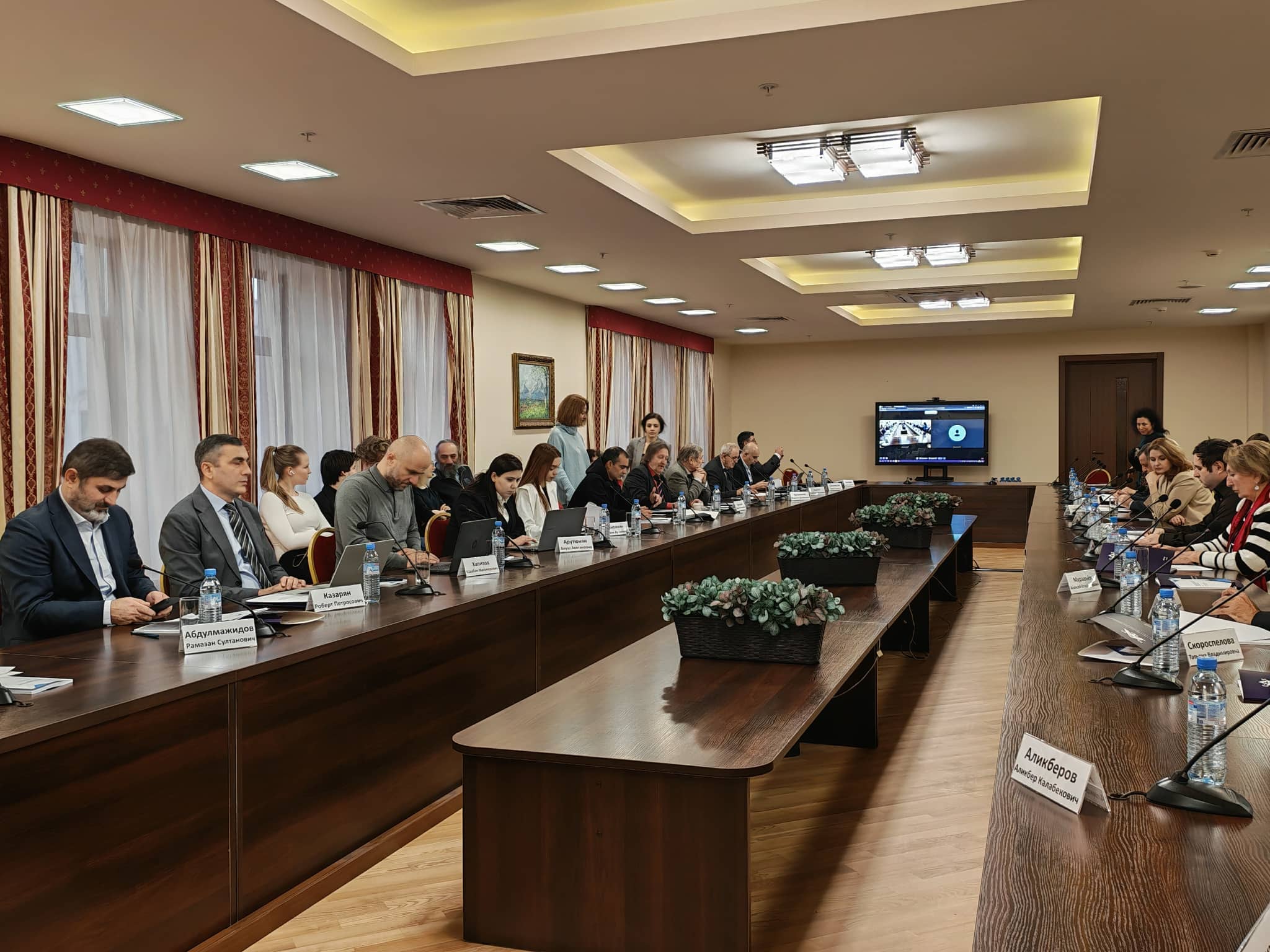
At the initiative of the Geghard Scientific and Analytical Foundation and the Armenian Studies Center of the Diocese of the Armenian Apostolic Church of New Nakhichevan and Russia, an international conference titled “Armenian Christianity and Its Role in the Cultural Space of the South Caucasus: Challenges and Paths to Preservation” was held in Moscow.
Addressing Azerbaijani historical distortions regarding the ancient history of the peoples and states of the West Asian region, the director of the Geghard Foundation, Robert Ghazaryan, remarked: “Since Azerbaijanis present themselves as the main Turkic people of the region, they tend to claim everything related to the Turks as their own.”
“Historical science clearly defines that the history of Aratta and the Gutians has no connection to the Turkic-Azerbaijani population. A newly formed ethnos that emerged in the 20th century cannot claim to be part of the history of these ancient peoples and states,” emphasized R. Ghazaryan.
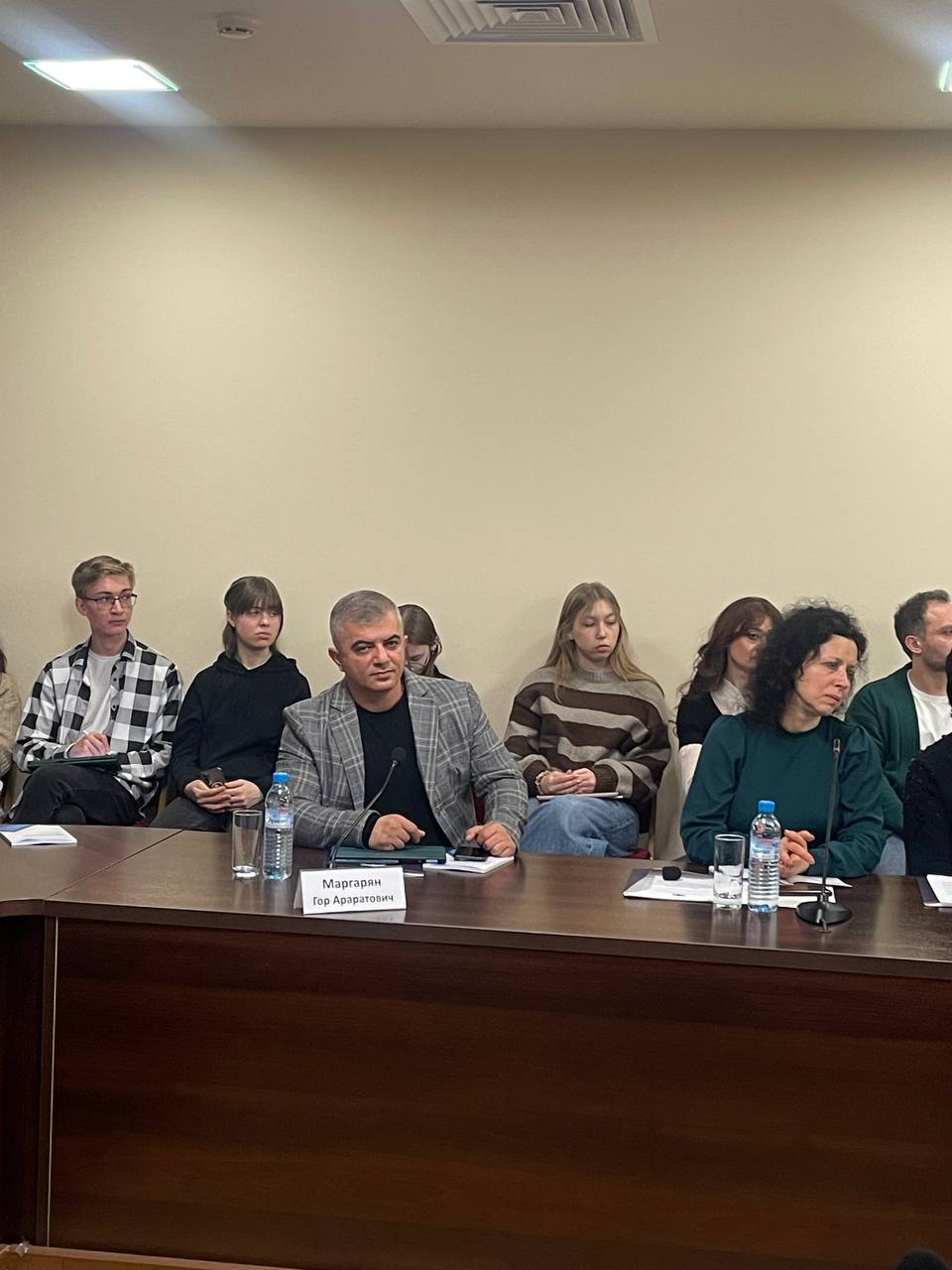
In his presentation titled “From Reinterpretation to Denial: The Soviet Past in Azerbaijani Historiography after 1991,” Gor Margaryan, an expert of the Foundation, discussed how, in the post-Soviet period, the Azerbaijani historiography has consistently portrayed Russia in a negative light and its political assessments.
Ramazan Abdulmazhidov, doctor of historical sciences and head of the Institute of History, Archaeology, and Ethnography at the Dagestan Federal Research Center of the Russian Academy of Sciences, spoke about the 16th–19th-century Armenian epigraphic monuments discovered in the village of Otau in Dagestan. He emphasized that a more detailed study of these local epigraphic sources shows that they can be regarded as remnants of a significant cultural layer.
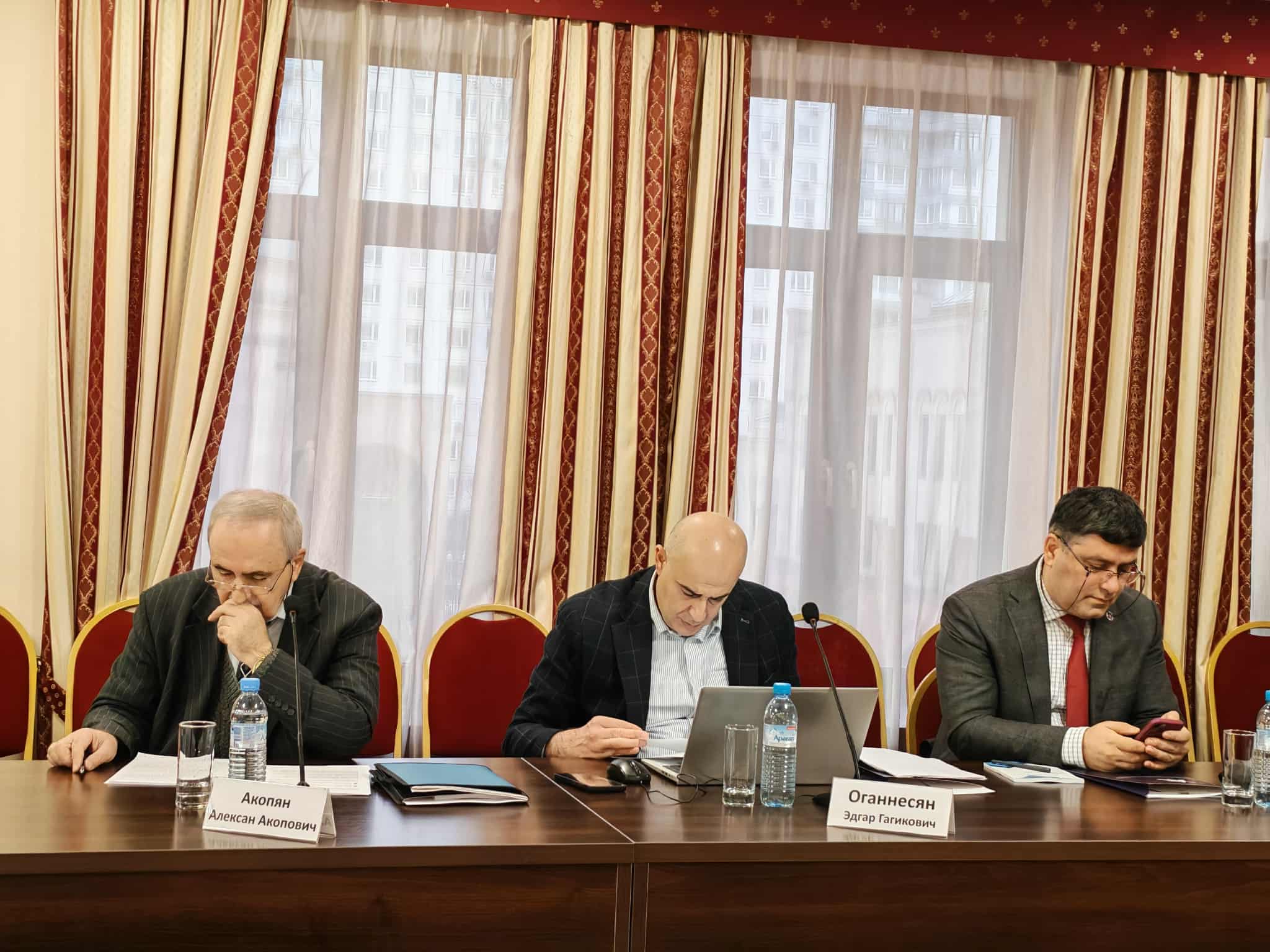
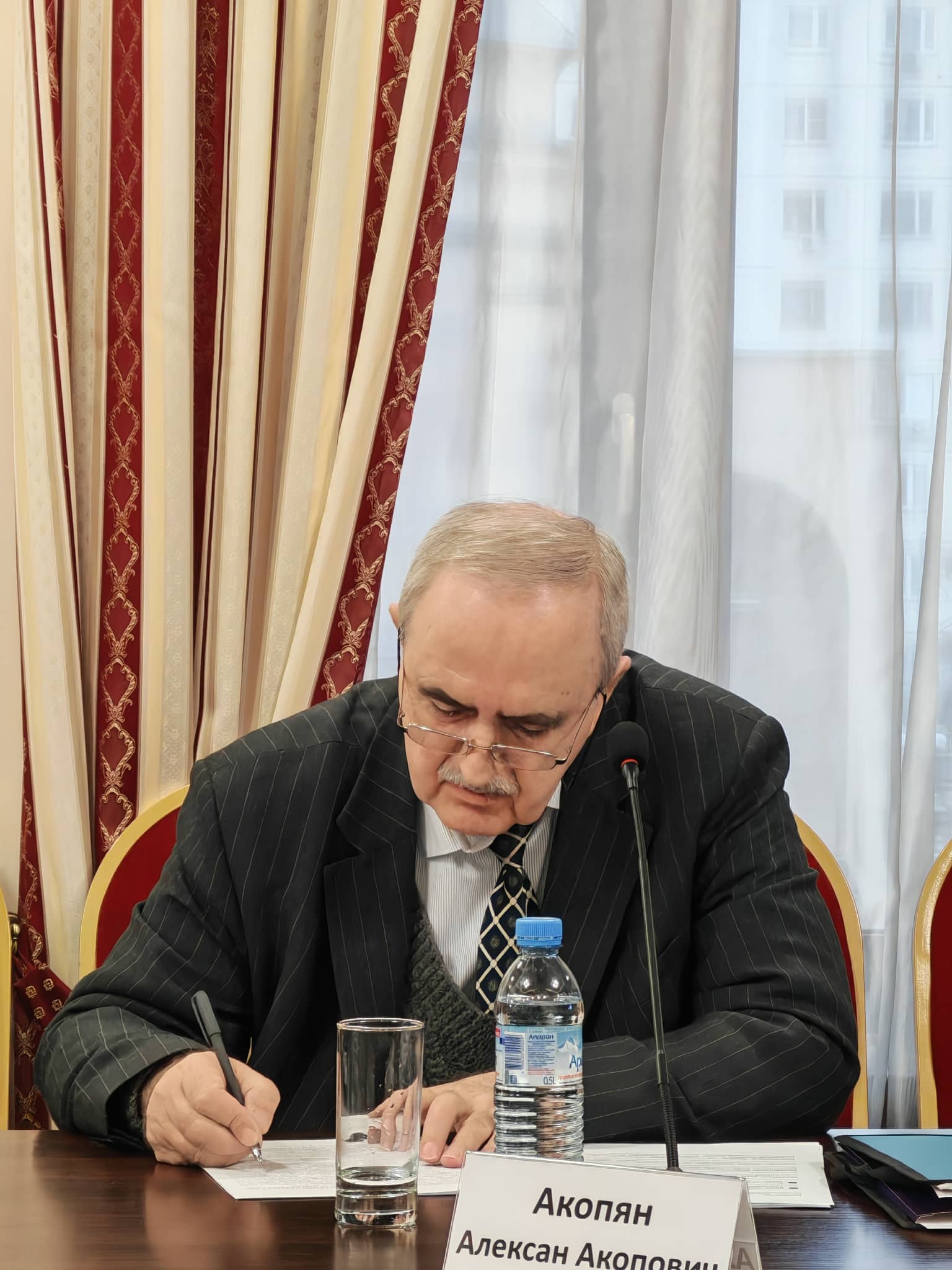
Alexan Hakobyan, doctor of historical sciences and head of the Department of Christian East at the Institute of Oriental Studies of the National Academy of Sciences of Armenia, delivered a presentation titled “The Issue of the Adoption of Christianity in Armenia According to Movses Khorenatsi’s ‘History of the Armenians’.”
Edgar Hovhannisyan, doctor of historical sciences and associate professor, dean of the Faculty of History and Social Sciences at Khachatur Abovyan Armenian State Pedagogical University, presented the topic of “Russian Orthodox Religious and Worship Structures in Armenia” in his presentation.
Reflecting on anti-Soviet movements in Soviet Azerbaijan during the 1920s–1930s, Anush Harutyunyan, an expert at the Geghard Foundation, emphasized that these movements contained strong elements of anti-Russian sentiment, serving as an indicator of xenophobia. “Anti-Soviet expressions significantly contributed to the consolidation of national self-awareness, functioning as a manifestation of the ‘us versus them’ concept,” the analyst noted.
In the process of constructing an Azerbaijani identity, cemeteries, including those of Russian soldiers who fought in the Great Patriotic War, have also become targets in Azerbaijan. Speaking on this topic, Geghard Foundation analyst Armine Khanpikyan emphasized: “The vandalism of not only Armenian but also Russian cemeteries in the territory of the Republic of Azerbaijan reflects the barbarity of the Azerbaijani side. It exposes the deep-seated hatred and intolerance that openly target the Russian community.”
The participants also addressed the challenges of preserving the Christian heritage in the region, drawing attention on the destruction, appropriation, and historical falsification of Armenian Christian monuments in Eastern Transcaucasia which is a state policy in Azerbaijan.
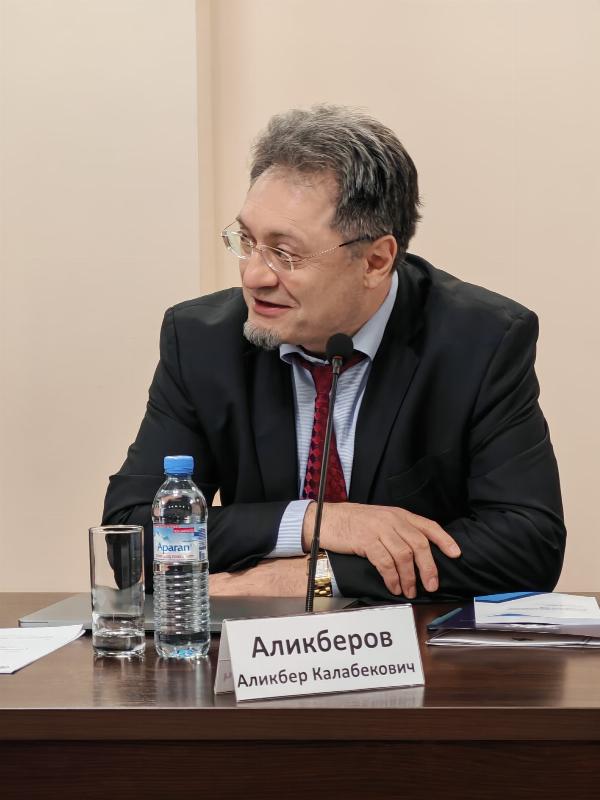
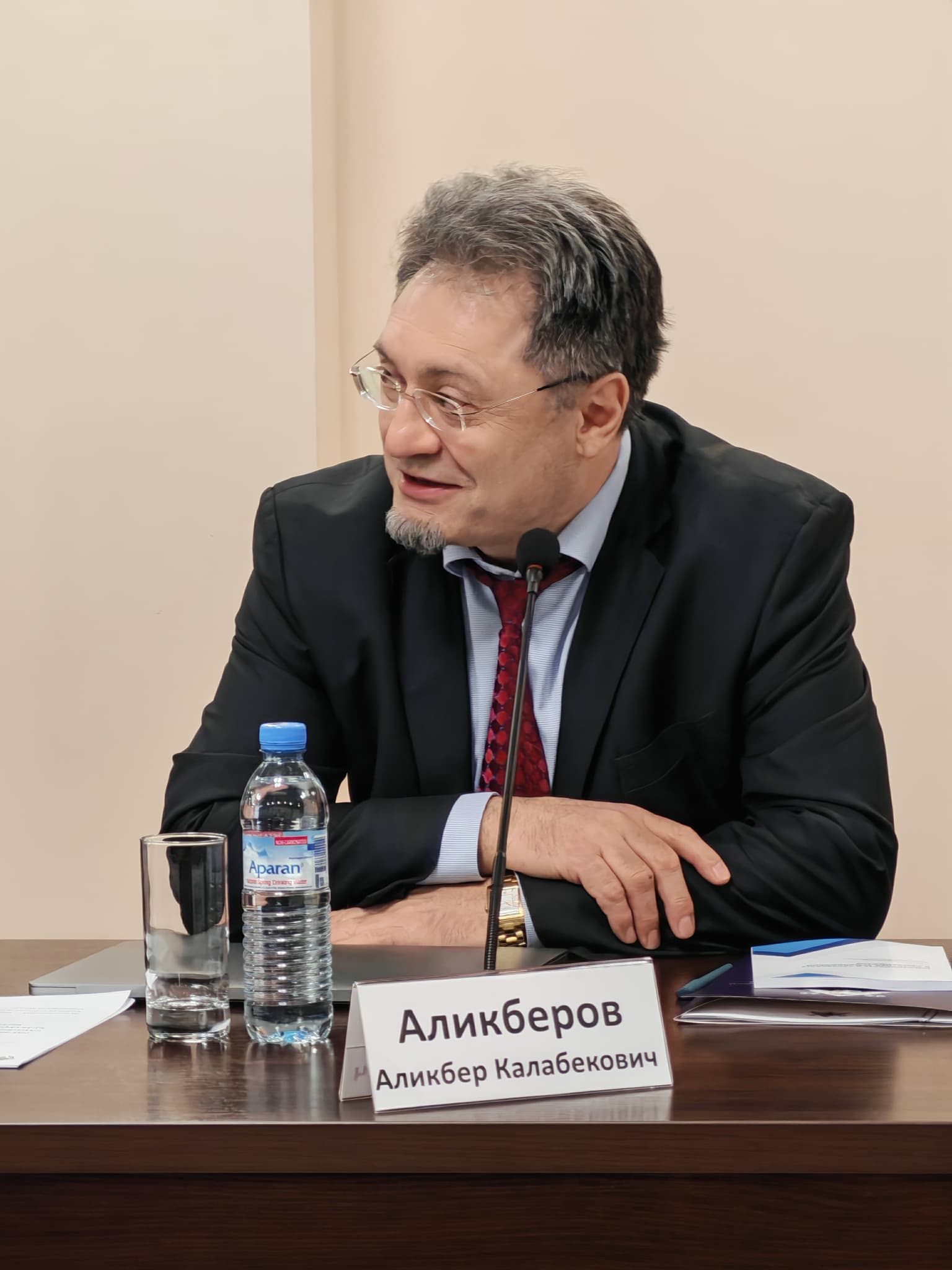
The conference was attended by a number of prominent scholars, including Alikber Alikberov, doctor of historical sciences and Director of the Institute of Oriental Studies of the Russian Academy of Sciences; Stanford University professor Artavazd Khachikyan; Alexey Muravyov, doctor of historical sciences and head of the Department of Central Asian and Caucasus Studies at Lomonosov Moscow State University; Alexander Cheryomin, doctor of historical Sciences and specialist on the history of Russia and neighboring countries; as well as other distinguished researchers.