
“GEGHARD”
SCIENTIFIC ANALYTICAL
FOUNDATION


2026
2026
2024-09-23
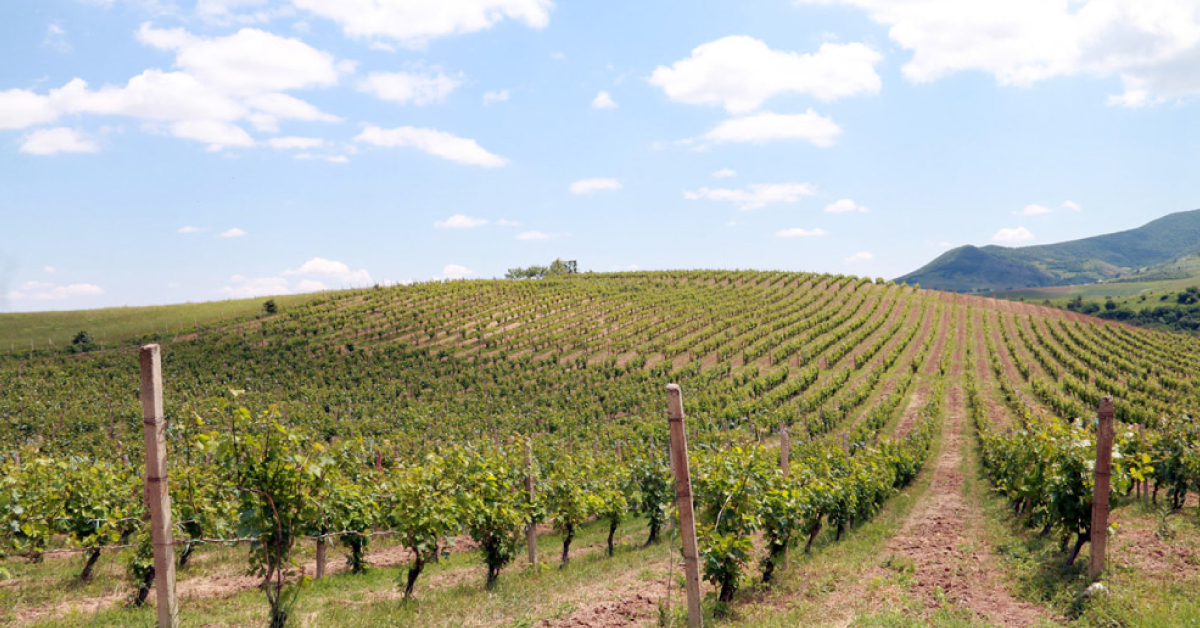
At the beginning of September, a wine and grape festival took place in the village of Meysary, Shamakhi, Azerbaijan. Kanan Guluzade, an official of the Azerbaijan Tourism Agency, mentioned that "for two years now, wines from the territories liberated from occupation have been presented at this festival".
"Azerbaijan, with its ancient traditions of winemaking has not been able to promote its drinks at the international level until recently.," the Azerbaijani state agency Azertag reports on the festival.
"Azerbaijan has also begun producing new wine brands, which, according to experienced tasters, can compete with world brands. One of the promising varieties is Khindoghni wine, produced in Hadrut from unique grapes grown in the village of Tug. This variety has the potential to become one of the calling cards of Azerbaijani winemaking in the international arena.," the article states.
The story is about the village of Togh in the Hadrut district of Artsakh. Azerbaijan's systematic campaign has led to the widespread appropriation and destruction of Armenian material heritage in Artsakh. However, the eradication of intangible heritage is often less apparent.
An example of intangible heritage is the Artsakh winemaking tradition, which is now on the verge of extinction due to the occupation. Before 2020, winemaking based on the Khndogni grape variety was developing in the village of Togh in Artsakh, as well as in several villages of the Hadrut and Martuni regions. Winemakers were producing wines with unique taste and odor that satisfied even the most demanding palates. Every year, the Artsakh Wine Festival was held in the village of Togh. Deprived of its native and natural environment, this local winemaking tradition has practcally ceased to exist.
Moreover, Azerbaijan is appropriating this intangible heritage by presenting it as an Azerbaijani winemaking tradition. While the Georgian and Armenian winemaking traditions are well-known in the global winemaking community, with long-standing traditions, historical and archaeological evidence, Azerbaijani winemaking is a recent phenomenon. Therefore, it is premature to speak of "Azerbaijani winemaking traditions" at this time.
Certainly, Azerbaijan is free to determine the scale and scope of its grape cultivation and wine production. However, the reality is that Azerbaijan is constructing these purported "winemaking traditions" by appropriating the historical Armenian winemaking heritage, knowledge, and practices.
In addition to appropriating Togh's winemaking heritage, Azerbaijan has taken control of vineyards and wineries in the occupied territories. It is worth recalling the widely circulated videos from the 2020 war showing Azerbaijani soldiers destroying oak wine barrels in villages under their control, destroying the fruits of years of labor.
Photo by Hakob Poghosyan