
“GEGHARD”
SCIENTIFIC ANALYTICAL
FOUNDATION


2026
2026
2025-12-30
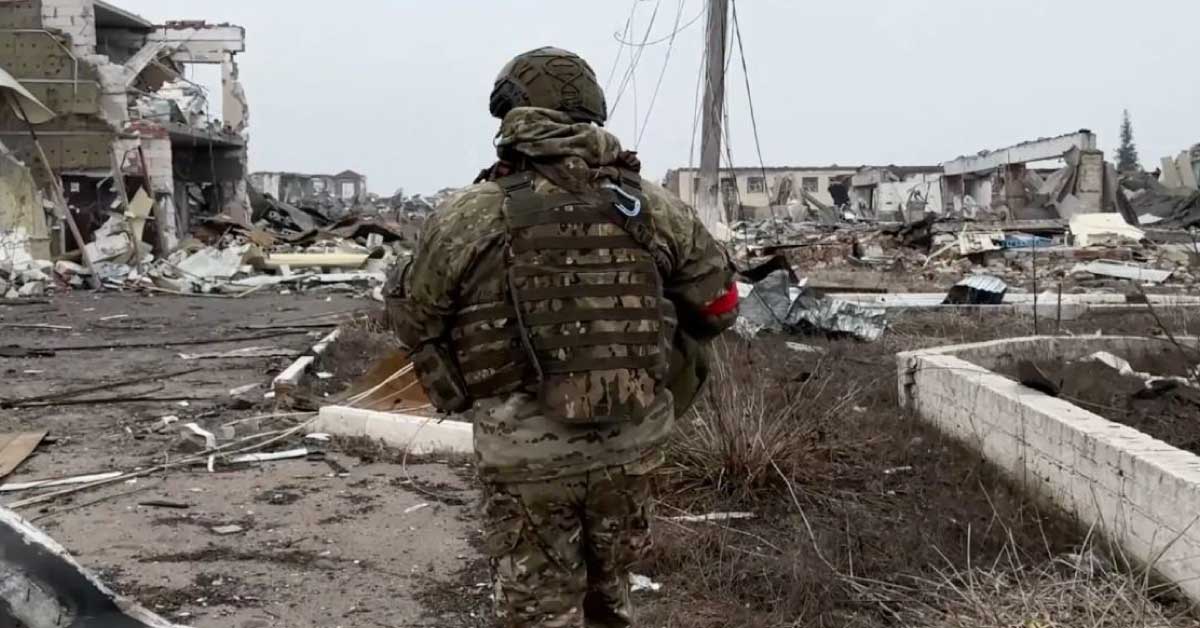
In recent days, a number of publications in the Azerbaijani press have confirmed the large-scale participation of Azerbaijani mercenaries in the Russia–Ukraine war. Modern.az reports frequent cases of the deaths of Azerbaijanis fighting on Russia’s side. There are also reports about Azerbaijani citizens who have been taken prisoner. The issue has also been addressed by Zahid Oruj, chairman of the Human Rights Committee of the Azerbaijani Parliament, and Aydin Mirzazade, a member of the Committee on Defense, Security, and Anti-Corruption.
The chairman of the Human Rights Committee stated that the issue concerns dozens of Azerbaijanis who have been killed or gone missing, as well as the recruitment of Azerbaijani mercenaries. According to Zahid Oruj, among those recruited are servicemen who participated in the 2020 Karabakh war. “The greatest loss is the involvement in the Russia–Ukraine war of professionals who gained combat experience in Karabakh,” Oruj said.
The Azerbaijani website Musavat.com has criticized the inaction of the Azerbaijani authorities. “Every day bodies are being brought back from the north,” the website wrote, adding that if this continues, the number of Azerbaijanis killed in Donbas will exceed the number of casualties from Karabakh.
This is not the first instance in which large numbers of Azerbaijanis have taken part in military operations in other countries. According to various sources, hundreds and even up to 1,000 Azerbaijani citizens were recruited into the ranks of the terrorist organization Islamic State (IS) and participated in combat operations in Syria. The number of Azerbaijanis within IS was sufficiently large to allow them to form a separate faction within the organization and to compete for high-ranking positions within the command structure of the Islamic State.
Participation of mercenaries in the 2020 War
Not only were mercenaries recruited from Azerbaijan, but Azerbaijan itself also involved foreign nationals in military operations.
During the 1990s war in the Nagorno-Karabakh, thousands of mercenaries from Afghanistan, Russia (including the North Caucasus), Ukraine, and other regions took part on Azerbaijan’s side. The same pattern was observed during the 2020 war. From late summer 2020 onward, credible reports appeared in the media indicating that Turkey was recruiting and transferring mercenaries and militants from Syria to Azerbaijan.
Although Baku denied the involvement of foreign mercenaries in the 2020 war, their presence was confirmed not only by media reports and human rights organizations—through publications, photographs, videos, and testimonies of individuals who later returned to Syria—but also by data released by political leaders and intelligence services of various countries, as well as by cases in which mercenaries were captured by the Armenian armed forces. The number of those recruited reportedly reached several thousand, while confirmed fatalities exceeded several dozen.
Mercenarism as a means of improving social conditions
According to published reports, those recruited to fight on the Russian side in the Russia–Ukraine war include not only Azerbaijanis residing in Russia (and not only Azerbaijanis), as well as labor migrants sentenced to imprisonment in the Russian Federation, but also Azerbaijanis living in Azerbaijan and former servicemen. Cases of Azerbaijanis participating on the Ukrainian side have also been recorded.
The involvement of former servicemen of the Azerbaijani armed forces in the Russia–Ukraine war is explained primarily by social problems. It is no secret that Azerbaijanis with combat experience are drawn to the Russia–Ukraine war by high remuneration, which directly points to serious social difficulties. War veterans regularly protest in an attempt to draw attention to their problems. In recent years, dozens of cases of suicide among participants of the 44-day war have been reported in Azerbaijan.
The social problems faced by war participant may become a potential source of discontent. Since 2020, participants in the war have organized several small-scale protests. However, if such dissatisfaction were to grow, it could become a serious challenge for the Azerbaijani authorities.
The Law prohibiting mercenarism in Azerbaijan
According to Azerbaijani legislation, participation in military operations outside the country’s borders is considered a serious criminal offense, and individuals involved are subject to criminal prosecution. Penalties for mercenarism and terrorism in Azerbaijan were severed as early as 2014, when it had already become known that hundreds of Azerbaijani citizens had traveled to Syria and been recruited into the Islamic State.
Under Article 114 of the Criminal Code of Azerbaijan, the recruitment, training, financing, and use of mercenaries is punishable by 8 to 12 years’ imprisonment, while participation of a mercenary in military operations is punishable by 5 to 11 years’ imprisonment. Since 2014, Azerbaijani law enforcement authorities have repeatedly issued statements regarding the arrest of Azerbaijani citizens involved in or responsible for recruitment activities within the ranks of the Islamic State.
In this context, a question arises: are Azerbaijan’s security and law enforcement services, which within the country promptly and efficiently neutralize any opposition figure and even abduct opposition activists and journalists abroad and transfer them to Baku, truly incapable of preventing large-scale cases of mercenarism? Or do they deliberately turn a blind eye to such practices to get rid of potential sources of social discontent? After all, in a similar manner, numerous opposition figures and critics have for years been forced out of the country or expelled.
Despite the legal prohibition of mercenarism and the penalties prescribed for it, Baku itself makes use of mercenaries.