
“GEGHARD”
SCIENTIFIC ANALYTICAL
FOUNDATION


2026
2026
2026-11-24
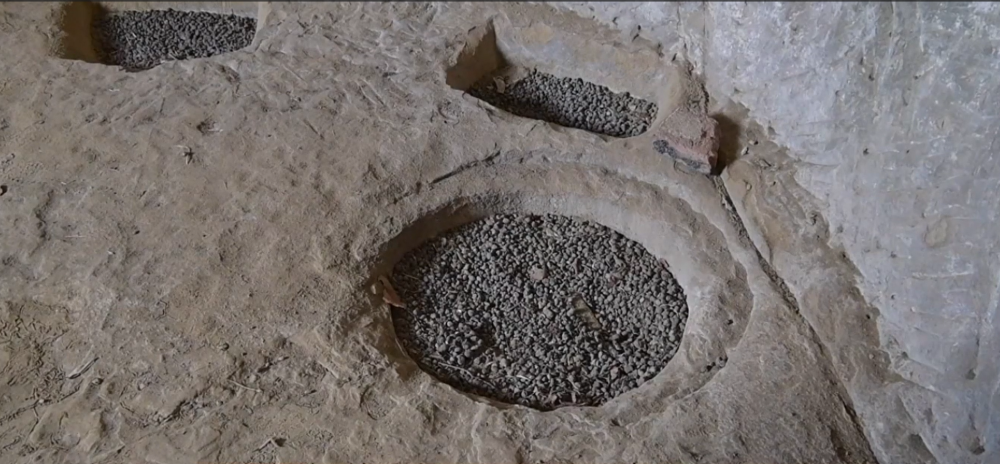
Archaeologists have recently discovered an Armenian tonir (traditional underground oven) in one of Italy’s medieval cave churches. According to experts, the discovery opens up new opportunities for regional research, particularly with regard to investigating the Armenian presence and legacy in the area.
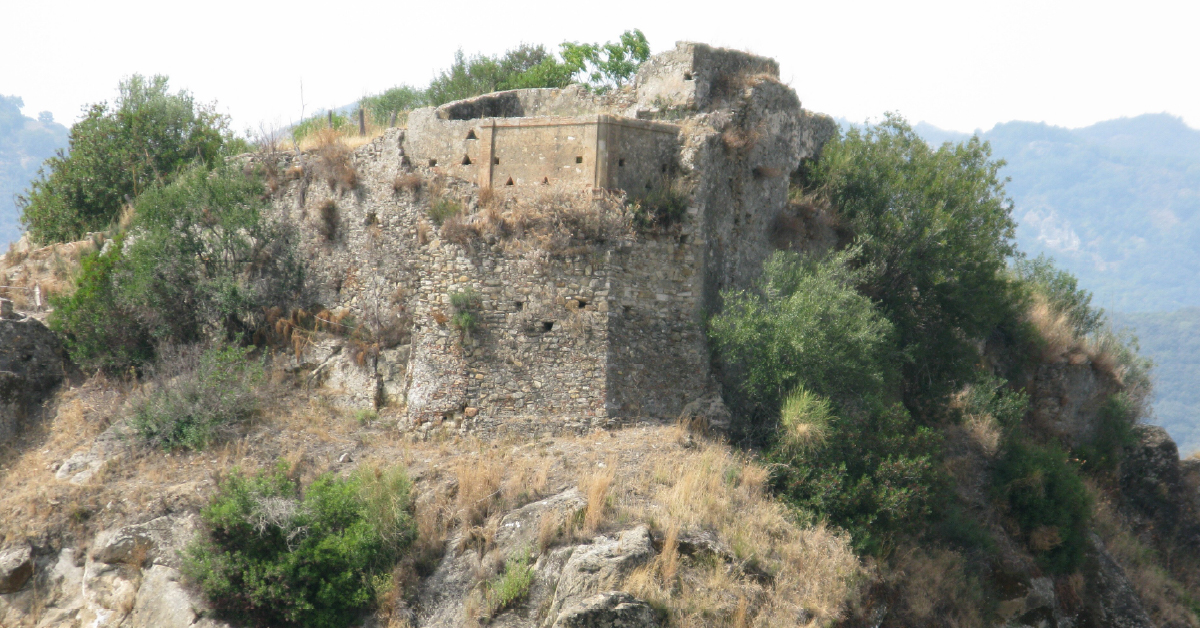
The Armenian presence in Italy dates back to the Early Middle Ages. One of its most notable manifestations is the remains of the “Fortress of the Armenians” or “Armenian Fortress,” located in Bruzzano, a district of the Italian city of Milan, known as Rocca Armenia or Rocca deli Armeni (Arabic: Qalat al-Armanin).
According to available sources, the place name is associated with the Armenian military units that accompanied the renowned 9th-century Byzantine military commander Nikephoros Phokas the Elder during his military campaigns. In 885, these Armenian troops settled in the area as stradioti—mercenary cavalrymen of Balkan origin.
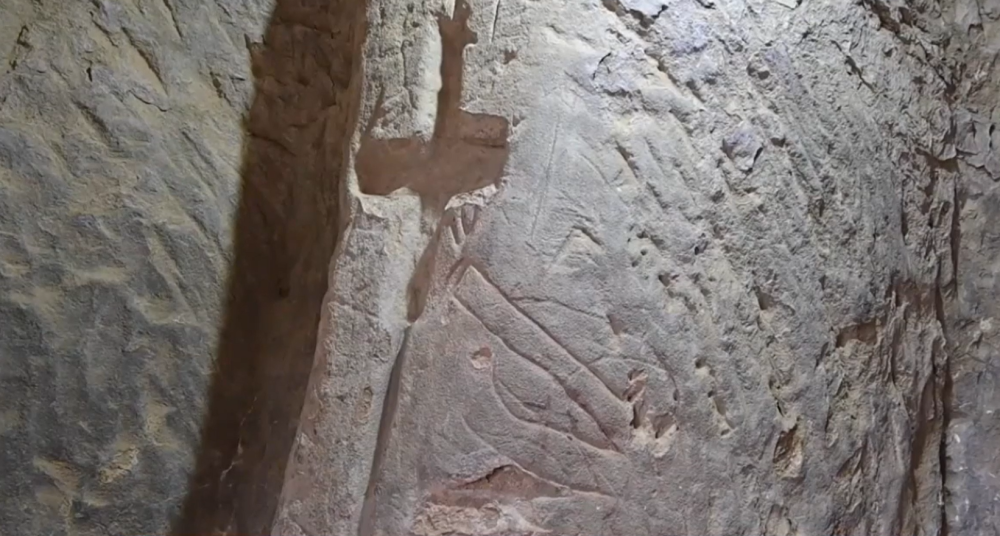
Over the years, the fortress fell into ruin as a result of earthquakes. Nevertheless, the remains of its defensive military structures, aristocratic residence, chapel, and cisterns carved into the rock have survived on the hilltop. A trail also runs through the abandoned village of Bruzzano Vecchio. Not far from the fortress lies the Greek-speaking settlement of Brancaleone Vetus, home to a cave church of Armenian origin. Engravings depicting a peacock and crosses have been discovered inside the church. At its center stands a column-like structure representing the Tree of Life, after which the cave church was named the “Cave of the Tree of Life.”
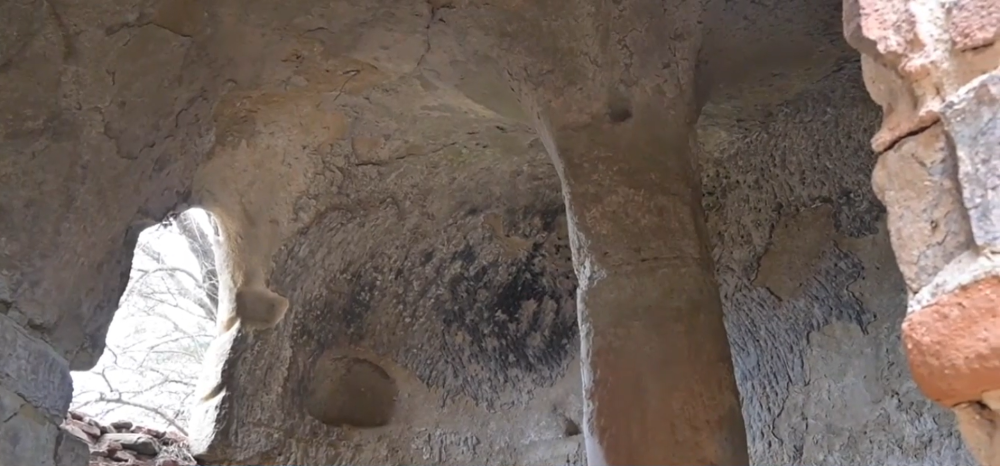
The Armenian underground tonir was discovered during archaeological excavations in 2024, providing further evidence of the church’s Armenian origins. The church dates back to the 9th century. According to archaeologist and historian Sebastiano Stranges, who conducted the research, the church symbolises the universe, with the Tree of Life standing at the centre of its circular structure. The Tree of Life, in essence, represents the embodiment of Jesus Christ. In the archaeologist’s view, the church was dedicated to the Holy Spirit and the Resurrection.
The region is known for its Greek, Latin, and Norman influences. According to archaeologists, the discovery of the church’s Armenian origins sheds new light on the region’s cultural diversity and opens up new avenues for further research. The study of local place names and personal names further highlights the Armenian presence in the area and the enduring legacy left by the Armenian community.
Historical place names of Armenian origin can also be found in the vicinity of the municipality of Casignana, in the Province of Reggio Calabria, Italy. These include “Gharmeni,” a dialectal variant of Armeni, meaning “Armenians,” and “Varta” or “Varet,” a place name derived from the Armenian word vardapet, among others. Today, however, these settlements are uninhabited.
Another fascinating and significant manifestation of the Armenian legacy in Italy is a local legend about an Armenian queen, which has been passed down in Calabria. According to the legend, the Armenian queen led her people to the heights of the Aspromonte Mountains in Calabria in search of a safe and inaccessible place to settle and raise their oxen. As a result, the settlement of Bova was founded. The name “Bova” derives from the Latin root bos (genitive: bovis) or the Ancient Greek bous (βοῦς), meaning “ox,” “cow,” or “bull.” Over time, the name underwent dialectal transformation, becoming “Vua,” which also gave rise to the historical name of Mount Vua.
It is no coincidence that the extensive valley stretching from Brancaleone Vetus to Aspromonte is still known today as the “Valley of the Armenians” (Valle degli Armeni).
The Armenian presence is undoubtedly attested not only in the Caucasus but also far beyond the region. The existence of the “Armenian Fortress” and the detailed study of its infrastructure once again testify to the significant role played by the Armenian community that settled in this area, as well as to its military organization and the architecture of its defensive structures. At the same time, the combined evidence of the fortress, the cave church, place names, and local folk legends makes it possible to view the Armenian presence not as an isolated historical episode, but as an important component of the region’s historical and cultural development.