“GEGHARD”
SCIENTIFIC ANALYTICAL
FOUNDATION


2026
2026
2026-11-17
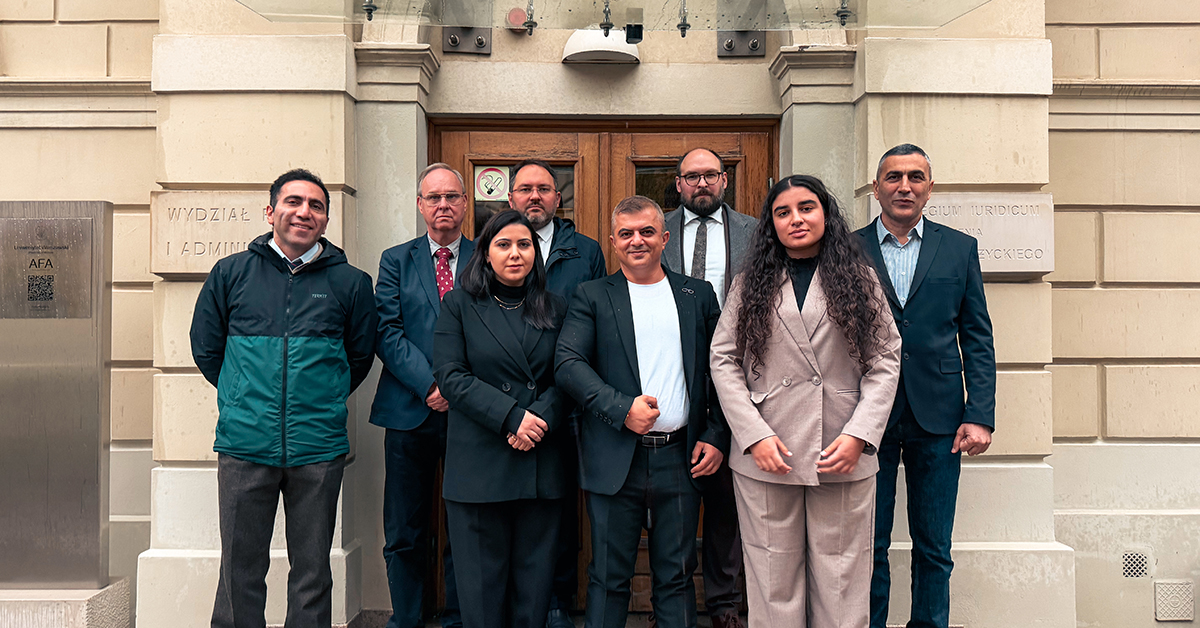
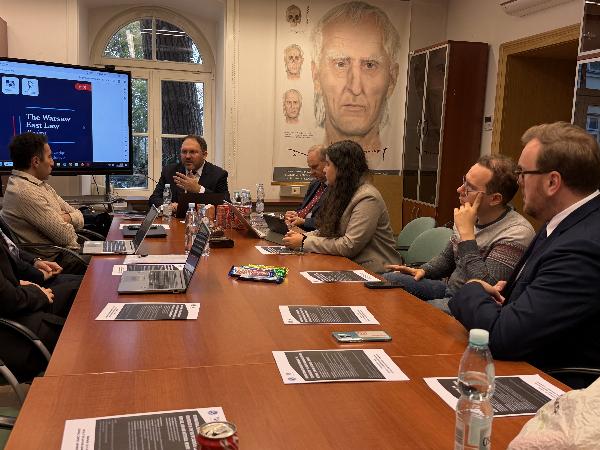
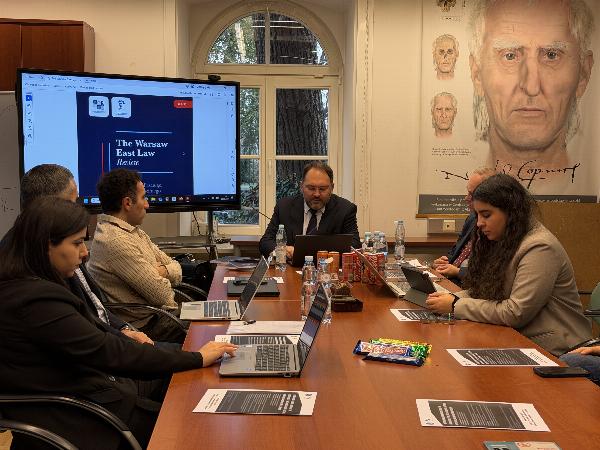
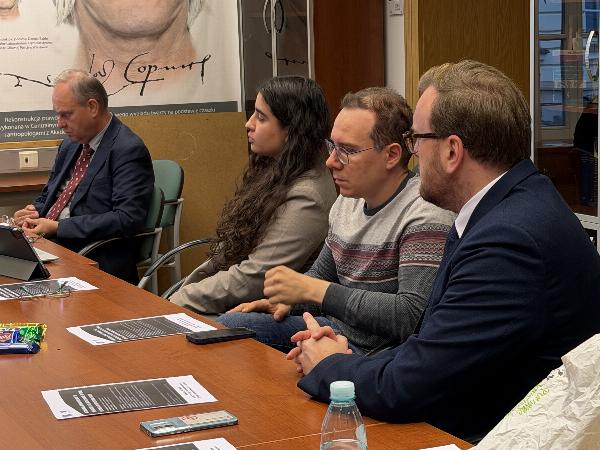
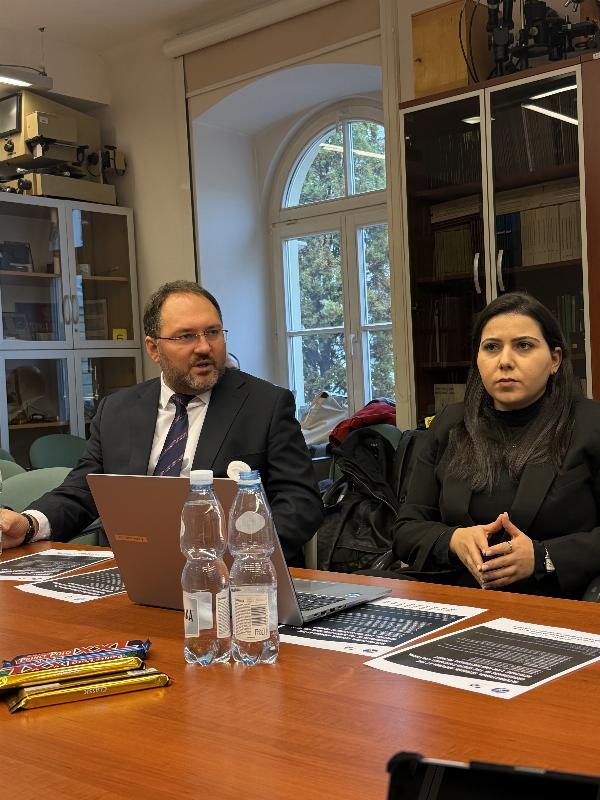
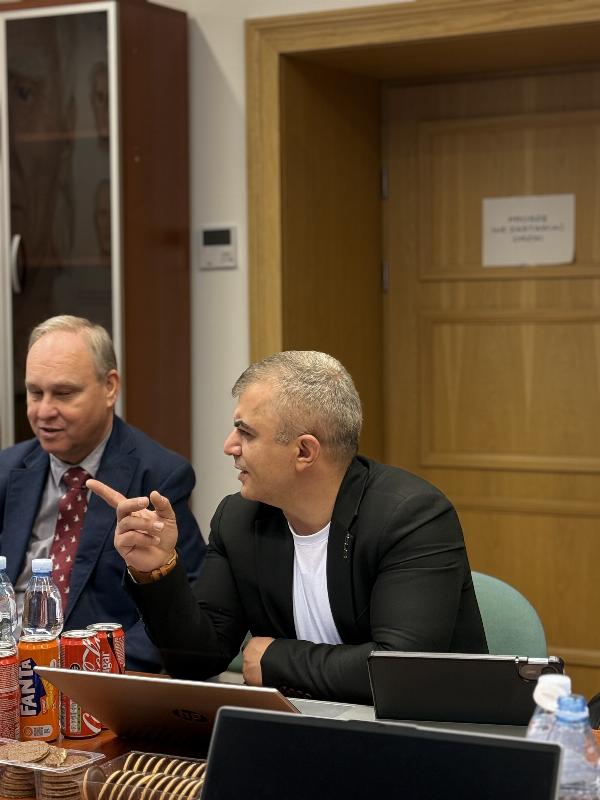
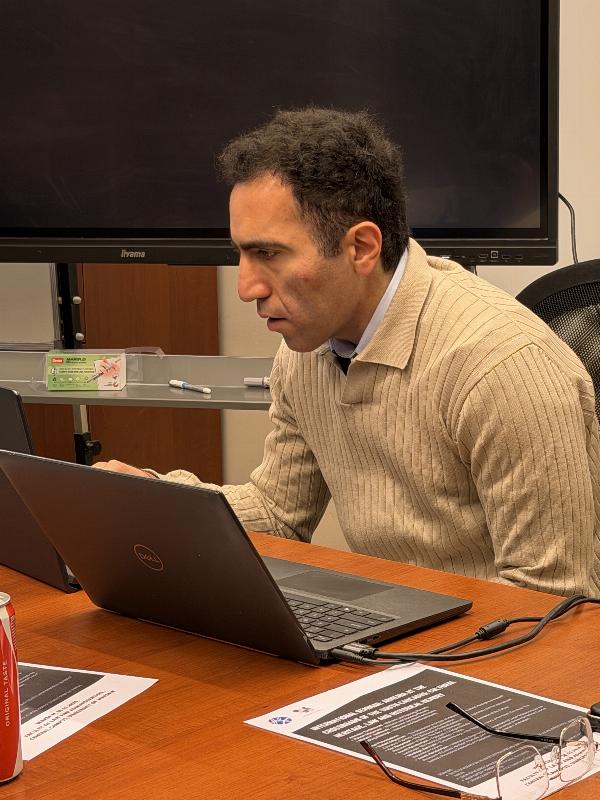
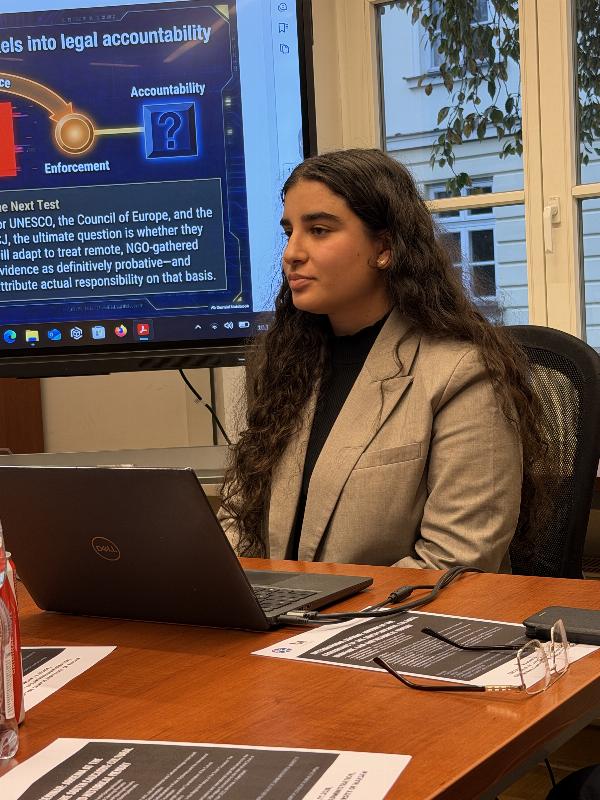
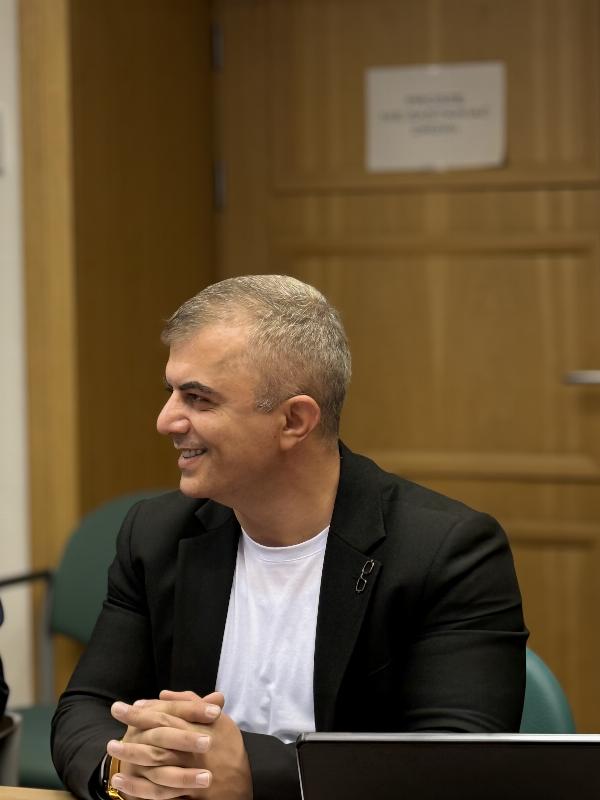
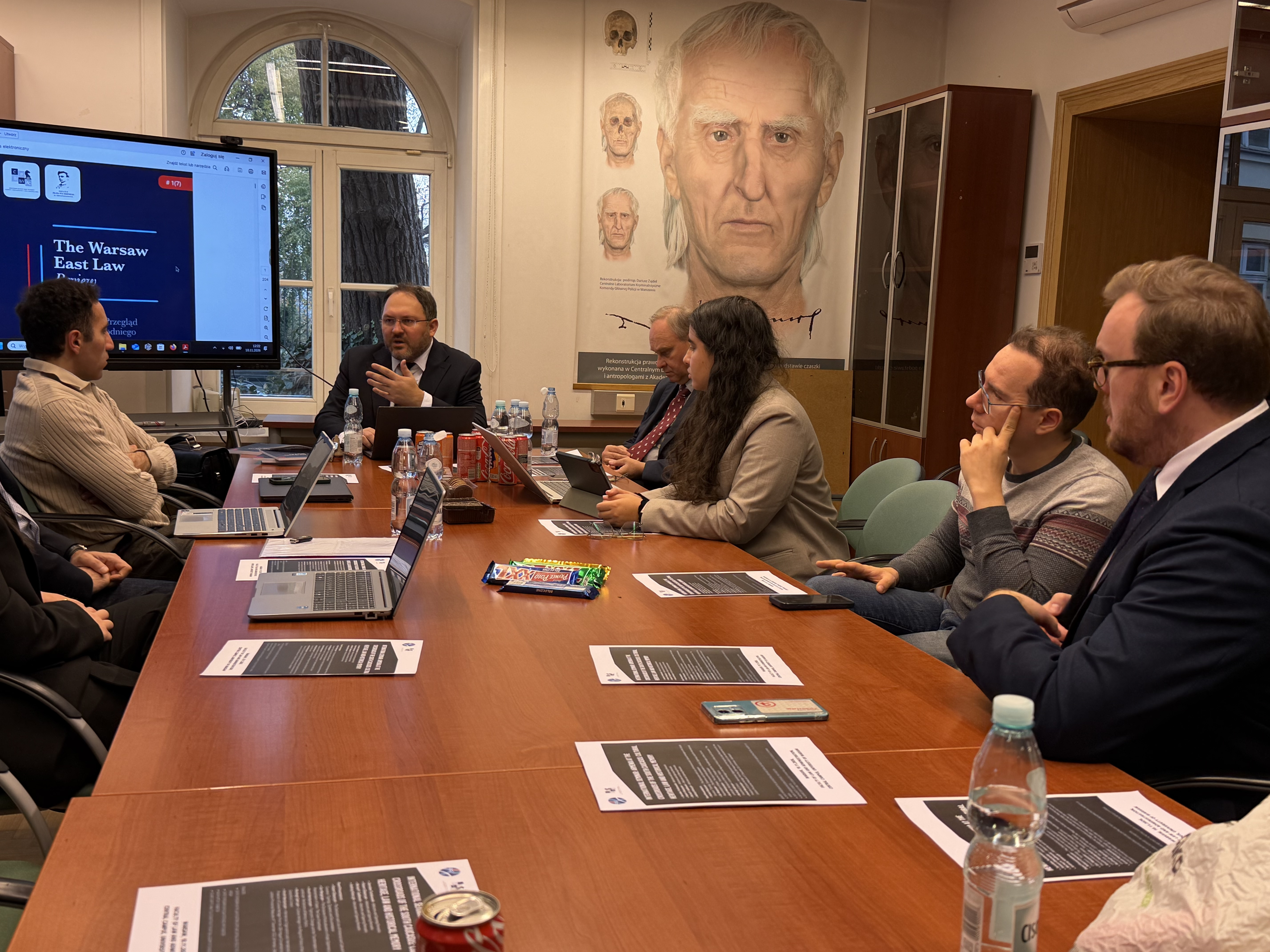
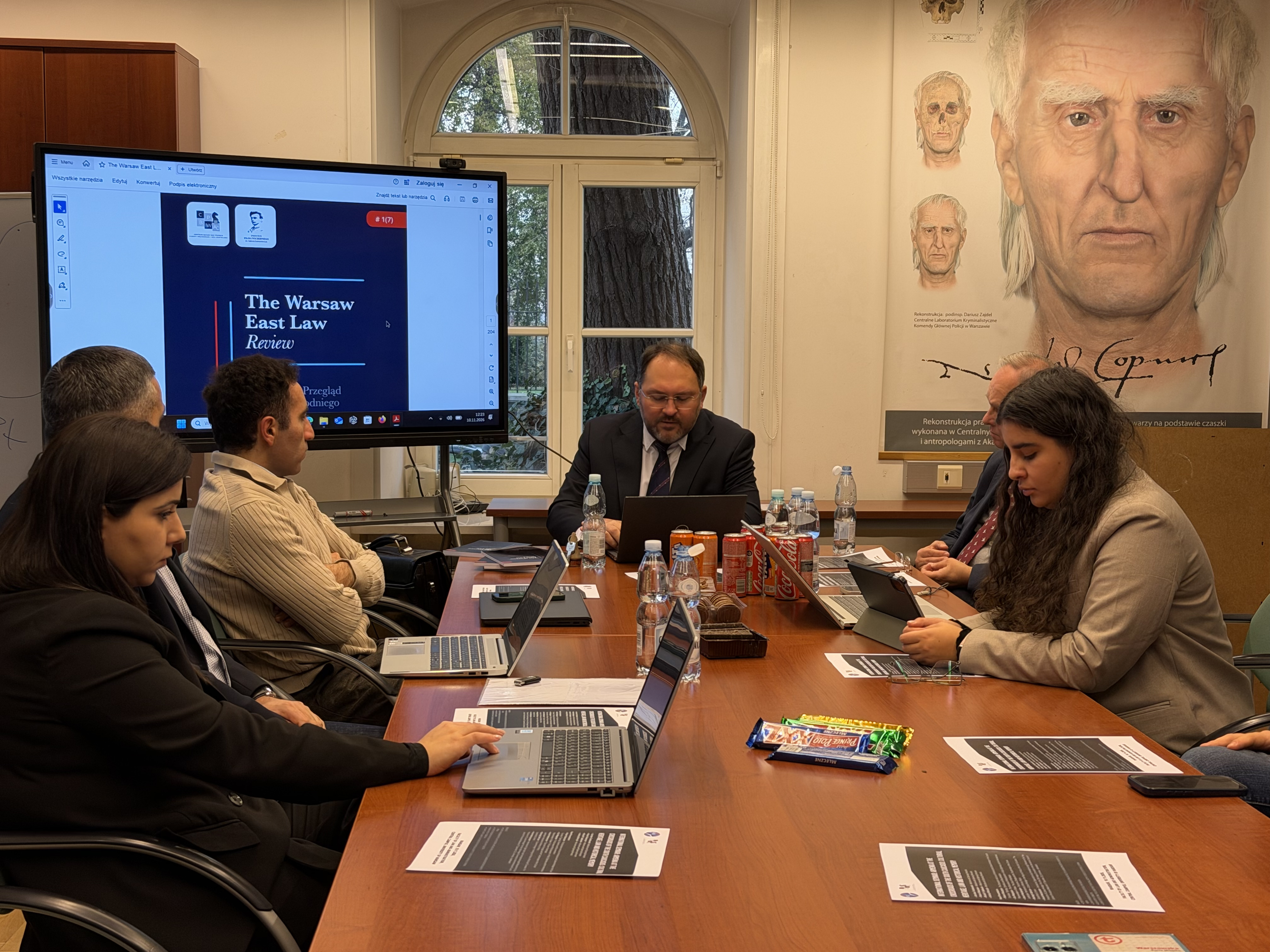
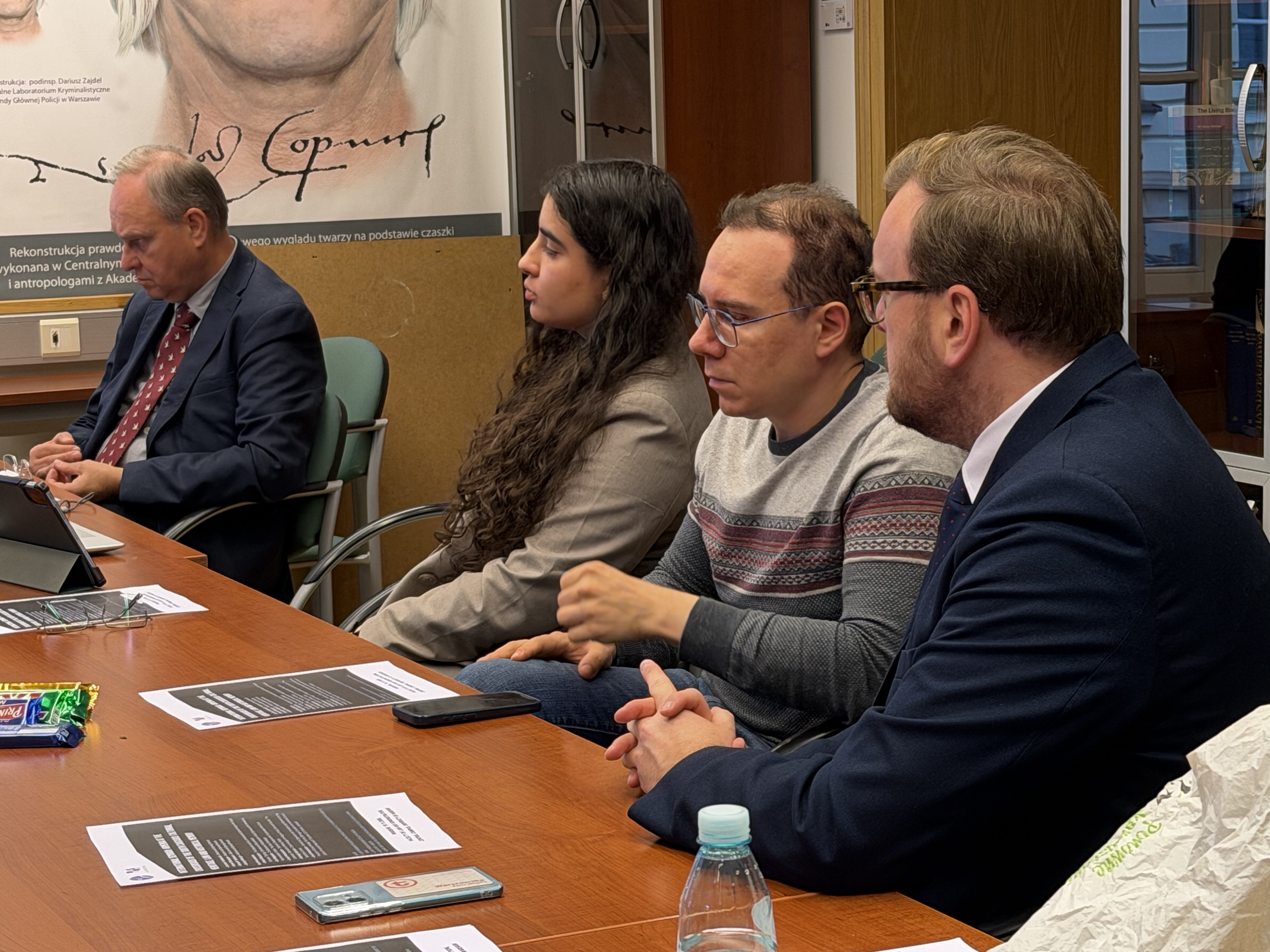
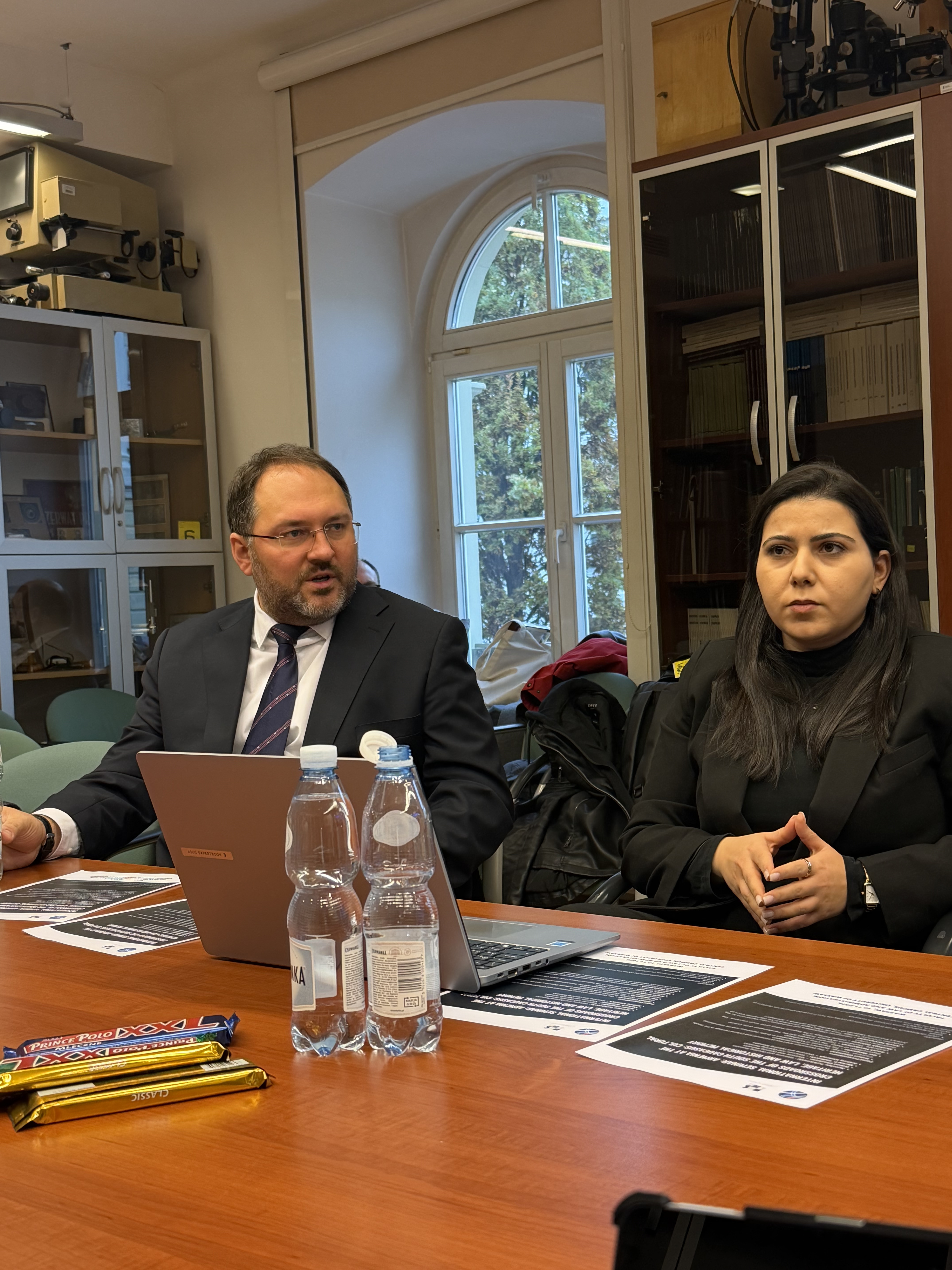
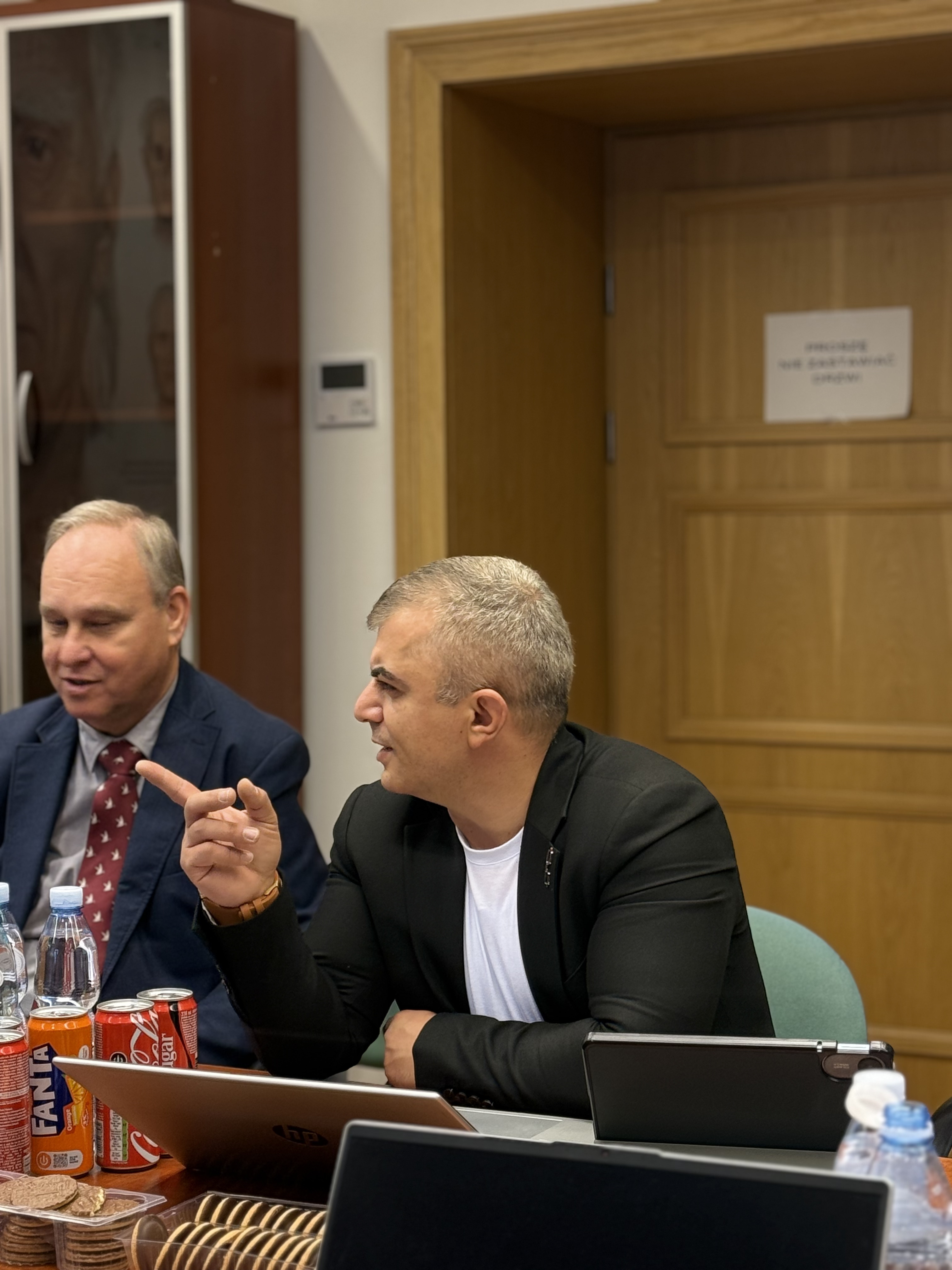
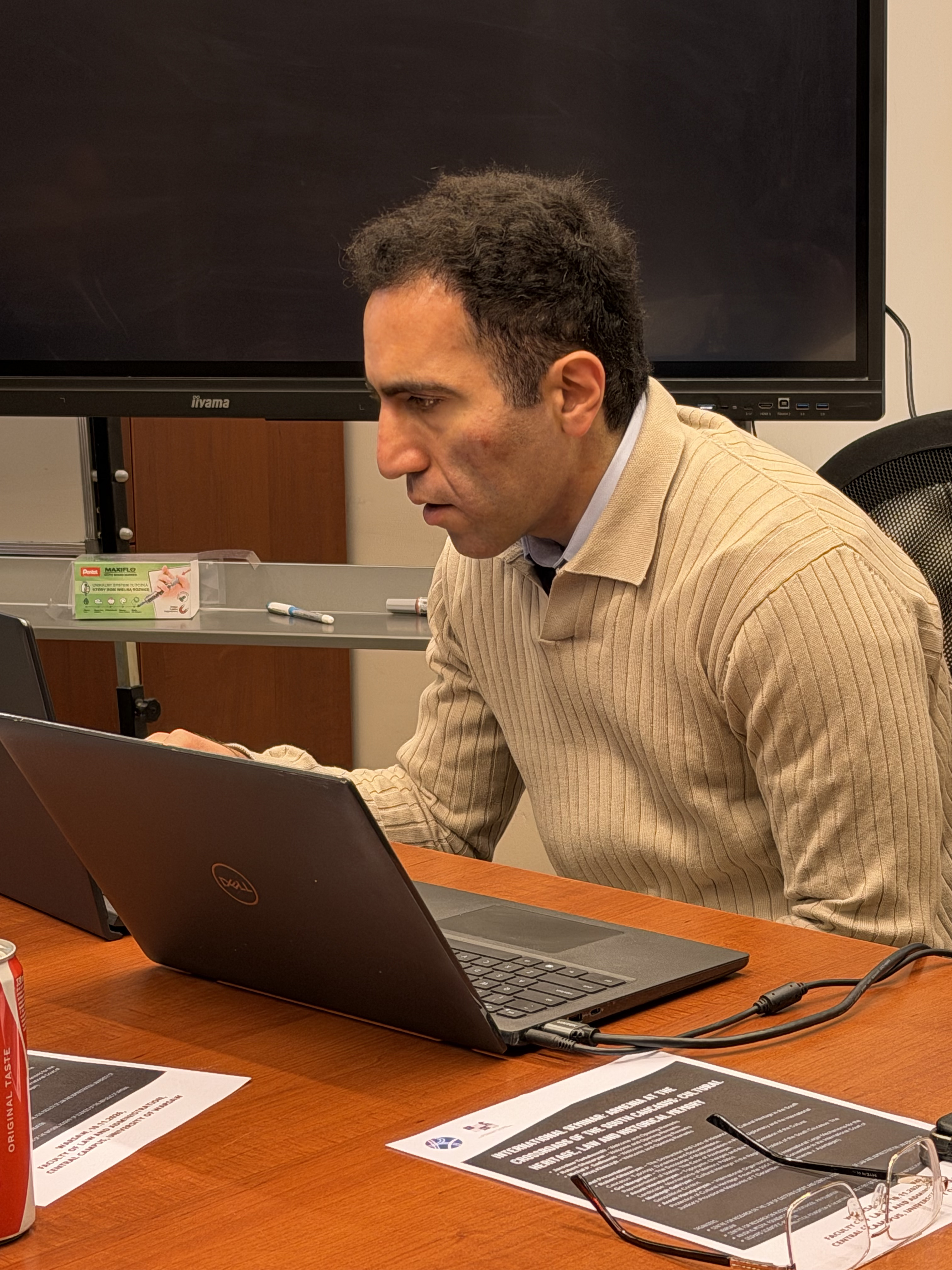
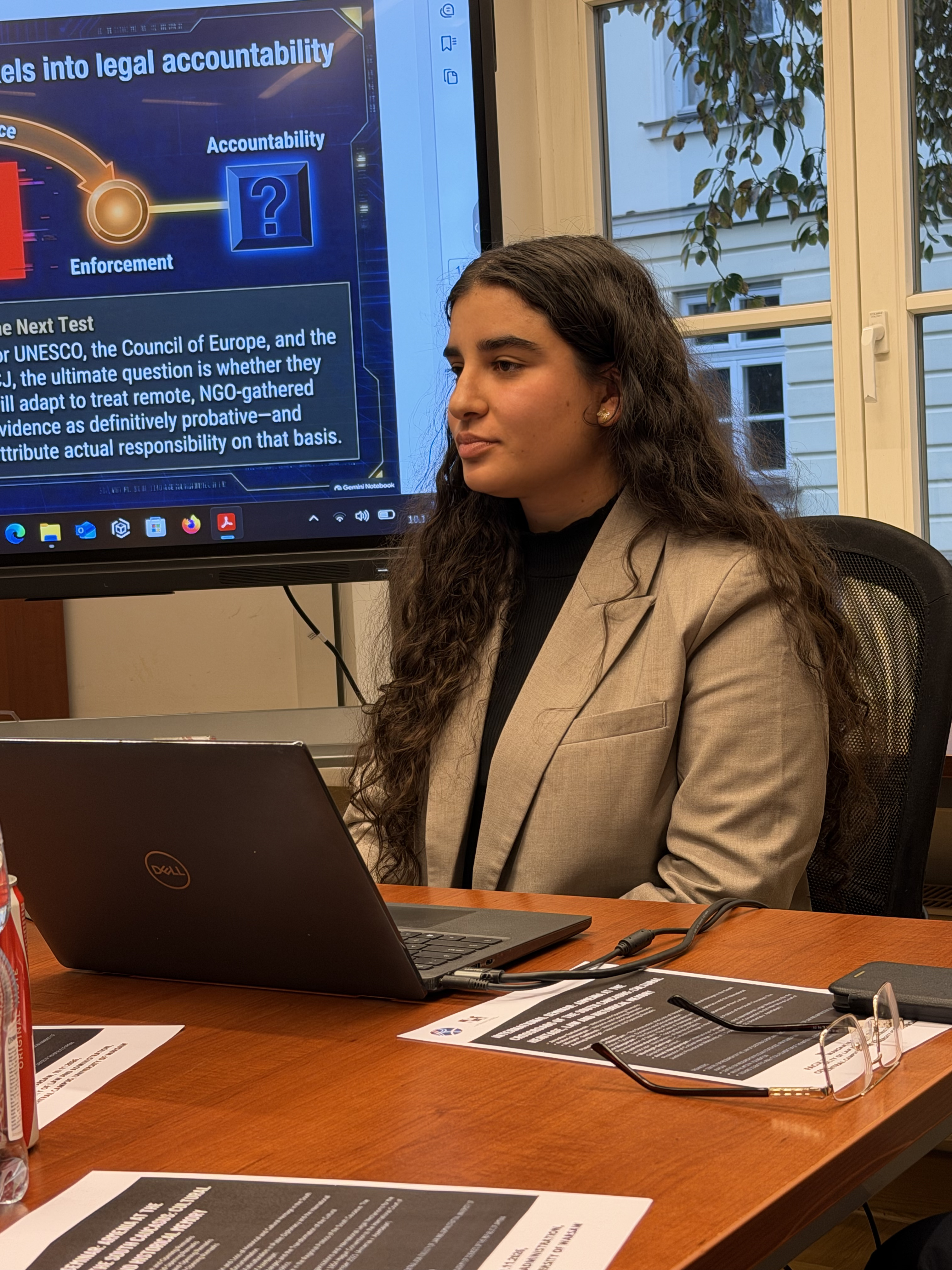
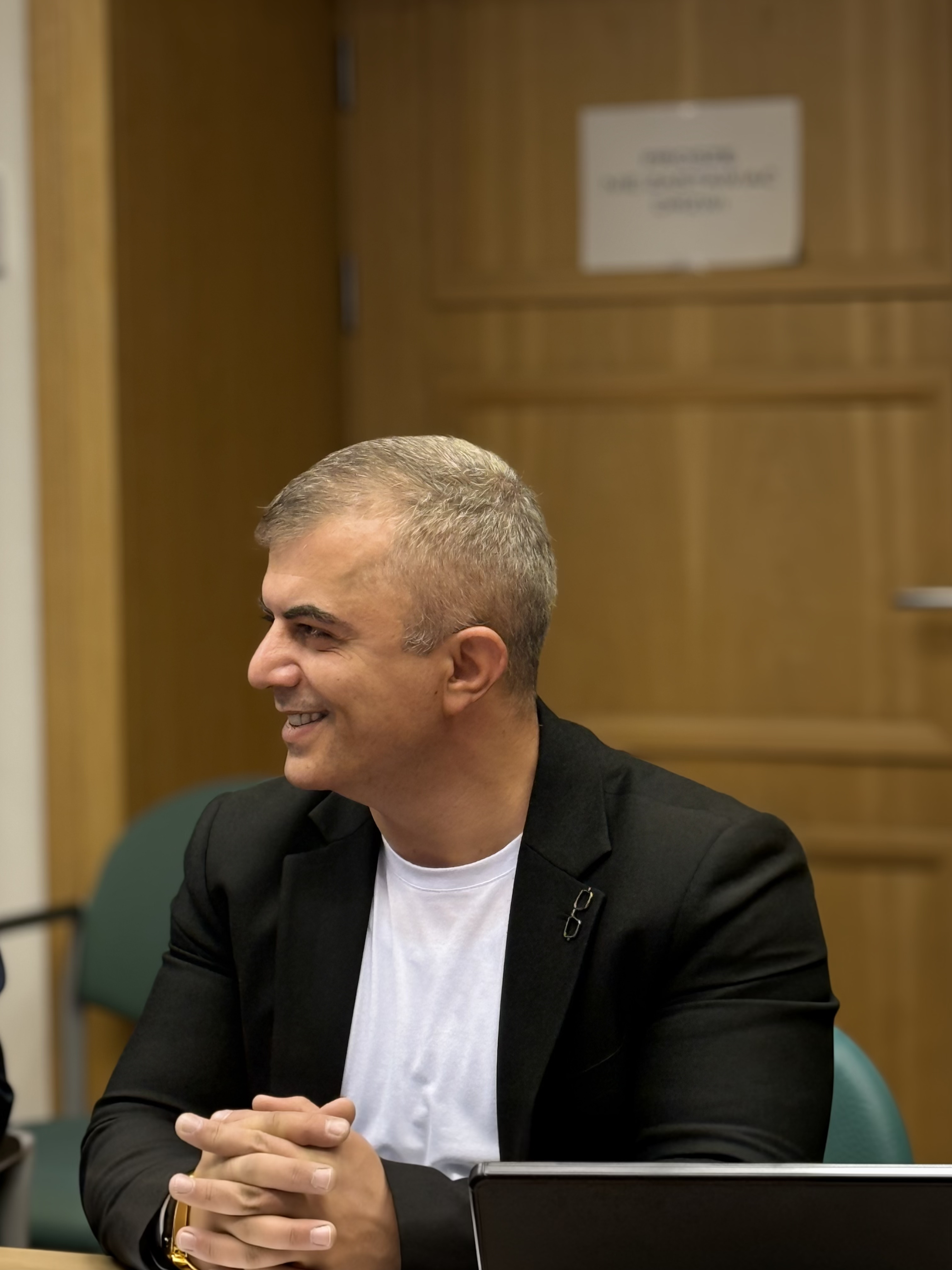
On November 10, 2026, the international workshop “Armenia at the Crossroads of the South Caucasus: Cultural Heritage, Law and Historical Memory” was held at the University of Warsaw. It was organized by the Geghard Scientific-Analytical Foundation of the National Academy of Sciences of the Republic of Armenia, the University of Warsaw (the Centre for Research on the Law of Eastern Europe and Central Asia, Faculty of Law and Administration), and the Centre for Research on Russian Statehood, IPW Foundation.
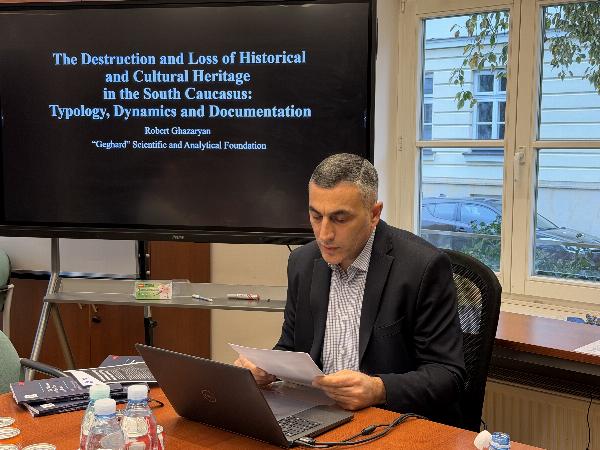
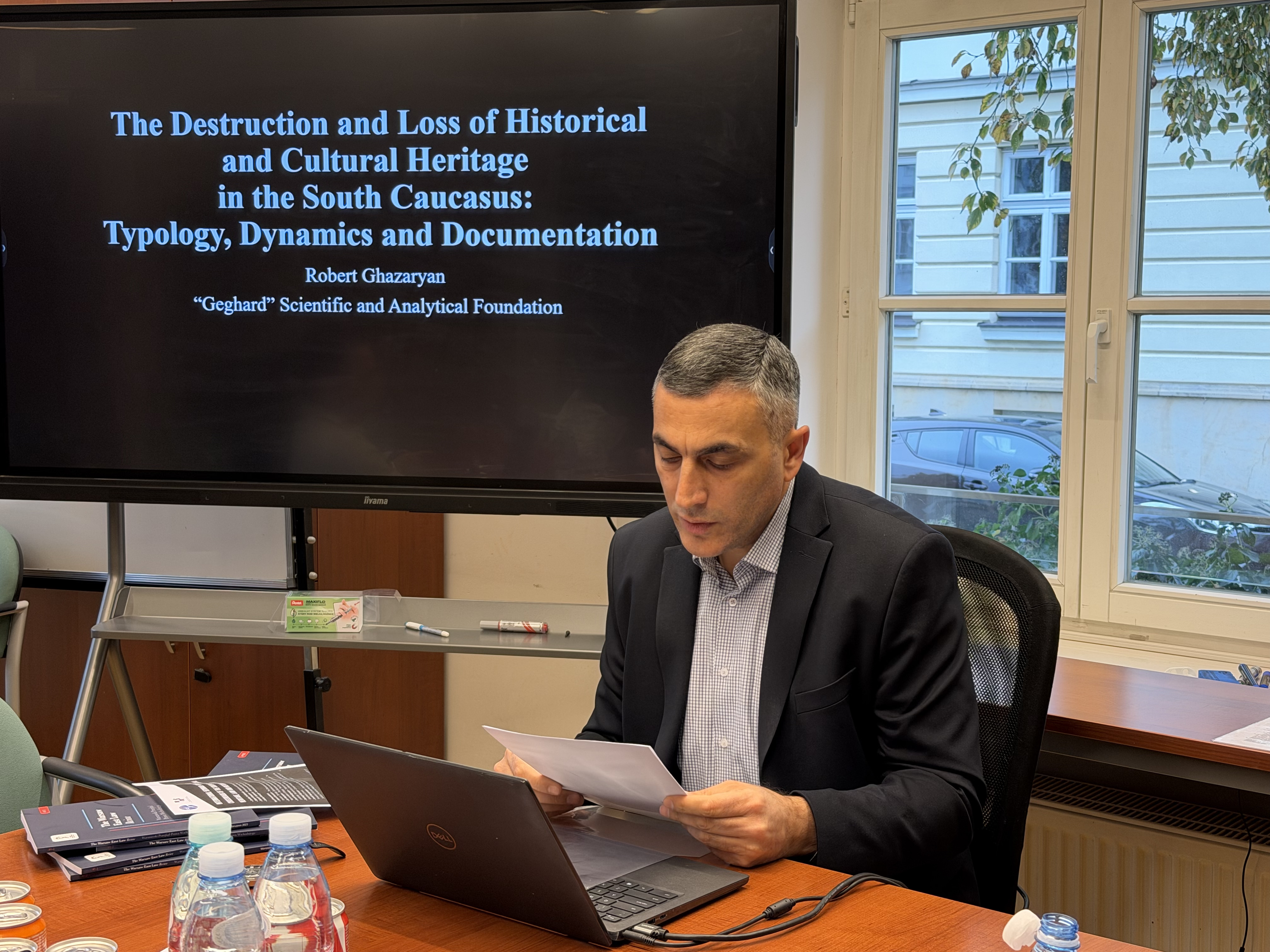
The opening remarks were delivered by Robert Ghazaryan, Director of the Geghard Foundation, PhD in History and associate professor, Jarosław Turlukowski, associate professor at the Department of Commercial Law and Head of the Centre for Research on the Law of Eastern Europe and Central Asia at the Faculty of Law and Administration of the University of Warsaw, Michał P. Sadłowski, associate professor at the Department of Administrative History of the same faculty; and Andrzej Klimczyk, an expert on human rights and security issues.
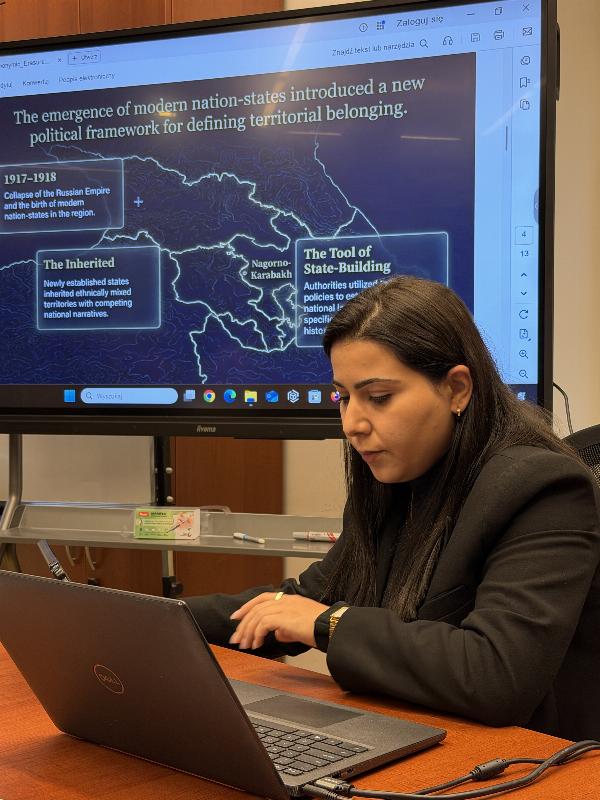
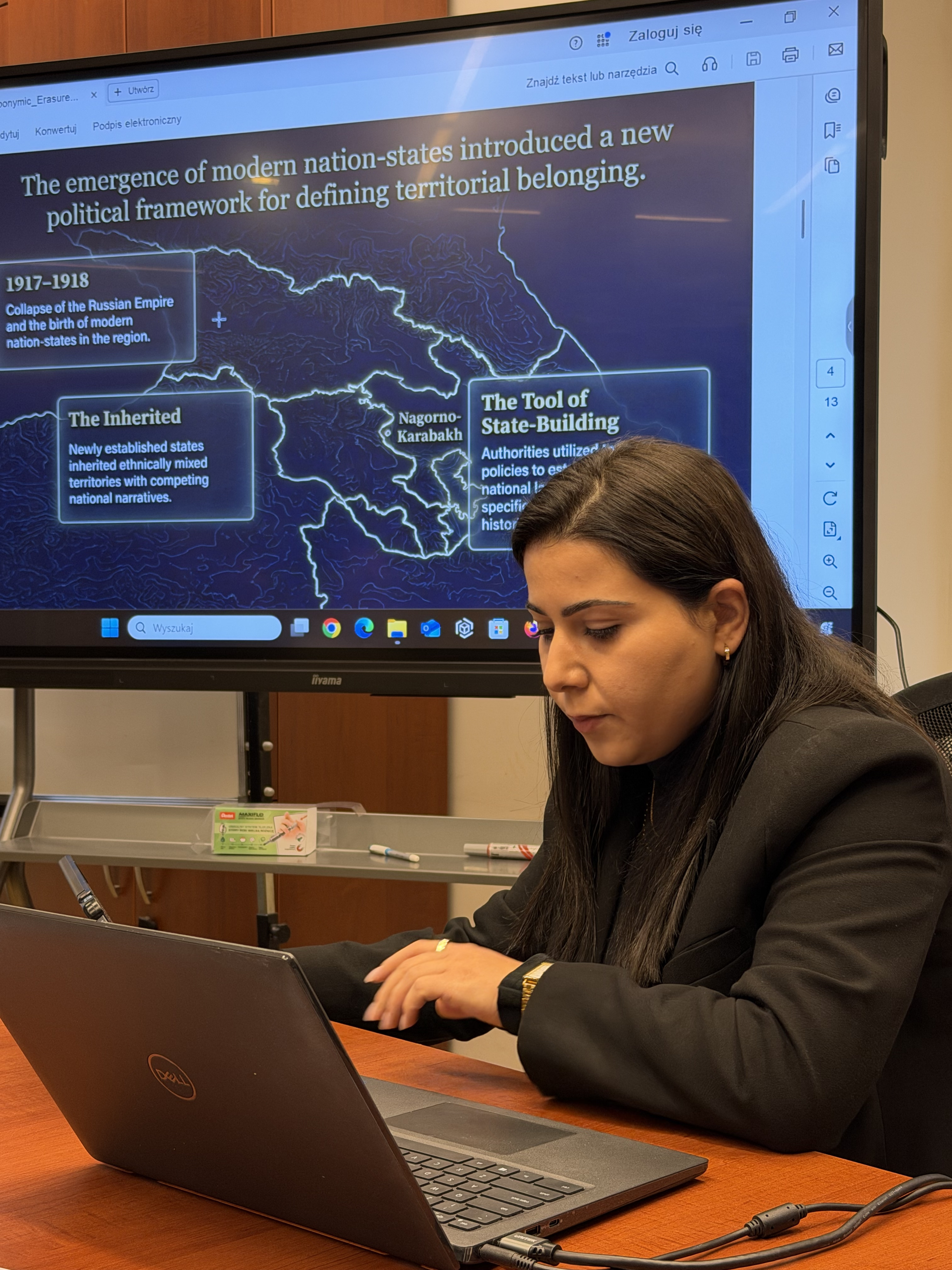
A distinctive feature of the workshop was the dialogue between historians and legal scholars, in which cultural heritage was examined not only as a subject of historical inquiry but also as an issue of international law and accountability. The presentations and subsequent discussions explored the ways in which the historical and cultural heritage of the South Caucasus is being destroyed and lost, the scale of this process, its development, and the methods used to record and document such losses. Particular attention was paid to attempts to Turkify geographical place names and transform the cultural landscape, which were examined as mechanisms of memory politics.
The discussions also addressed the role of cultural heritage in regional politics and the discourse of multiculturalism in the context of public diplomacy. Another important topic was the international legal framework for the protection of cultural heritage, ranging from the 1954 Hague Convention to the measures applied by the International Court of Justice. The academic and legal examination of these issues on international platforms is of particular importance for Armenia, as the country's historical and cultural heritage is subject to falsification and is presented as the heritage of “Western Azerbaijan” that never existed. The workshop discussions demonstrated that effective protection of cultural heritage and the prevention of unfounded claims to it are possible only through cooperation among historians, legal experts, and international institutions.