“GEGHARD”
SCIENTIFIC ANALYTICAL
FOUNDATION


2026
2026
2026-09-02
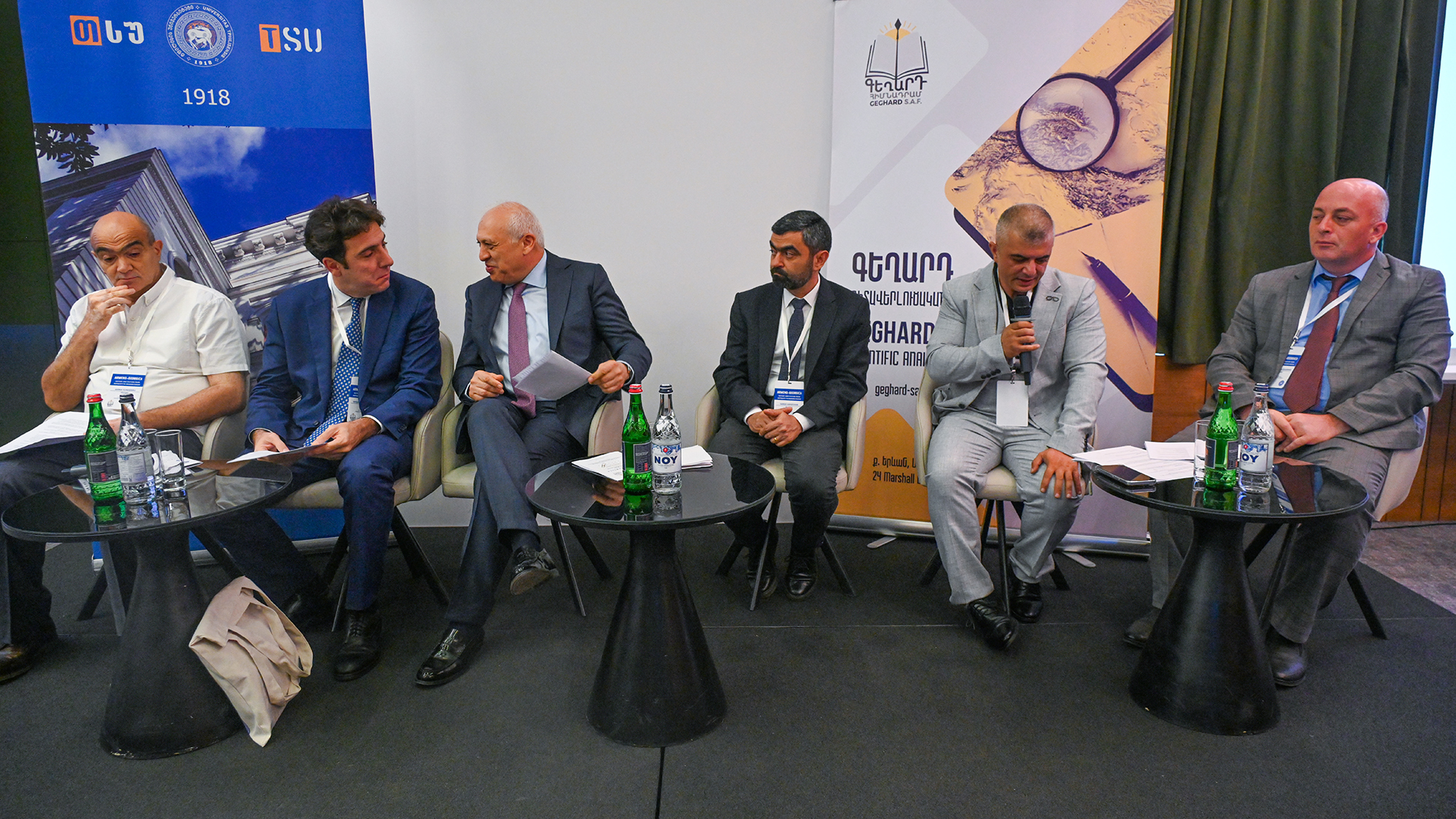
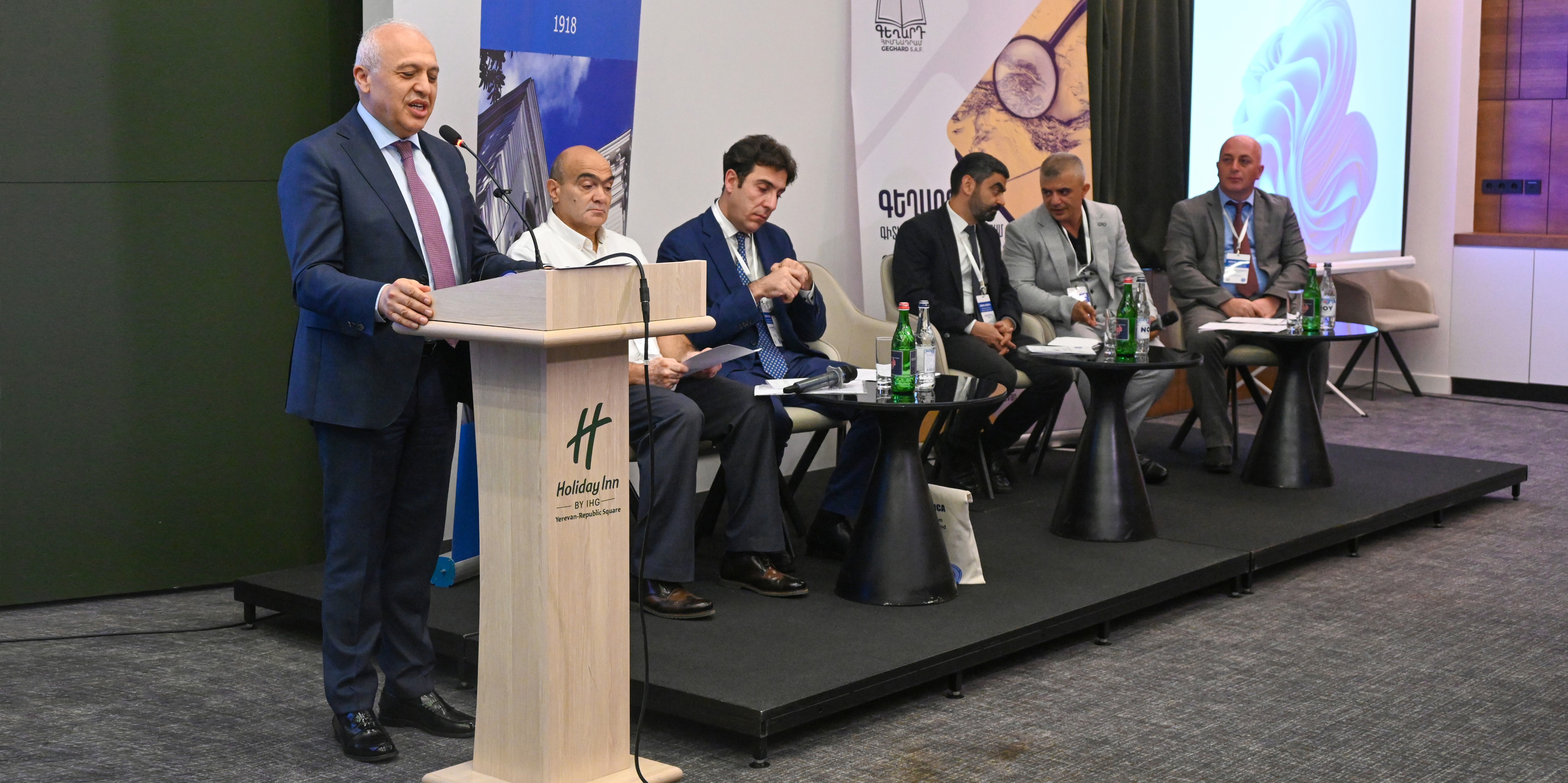
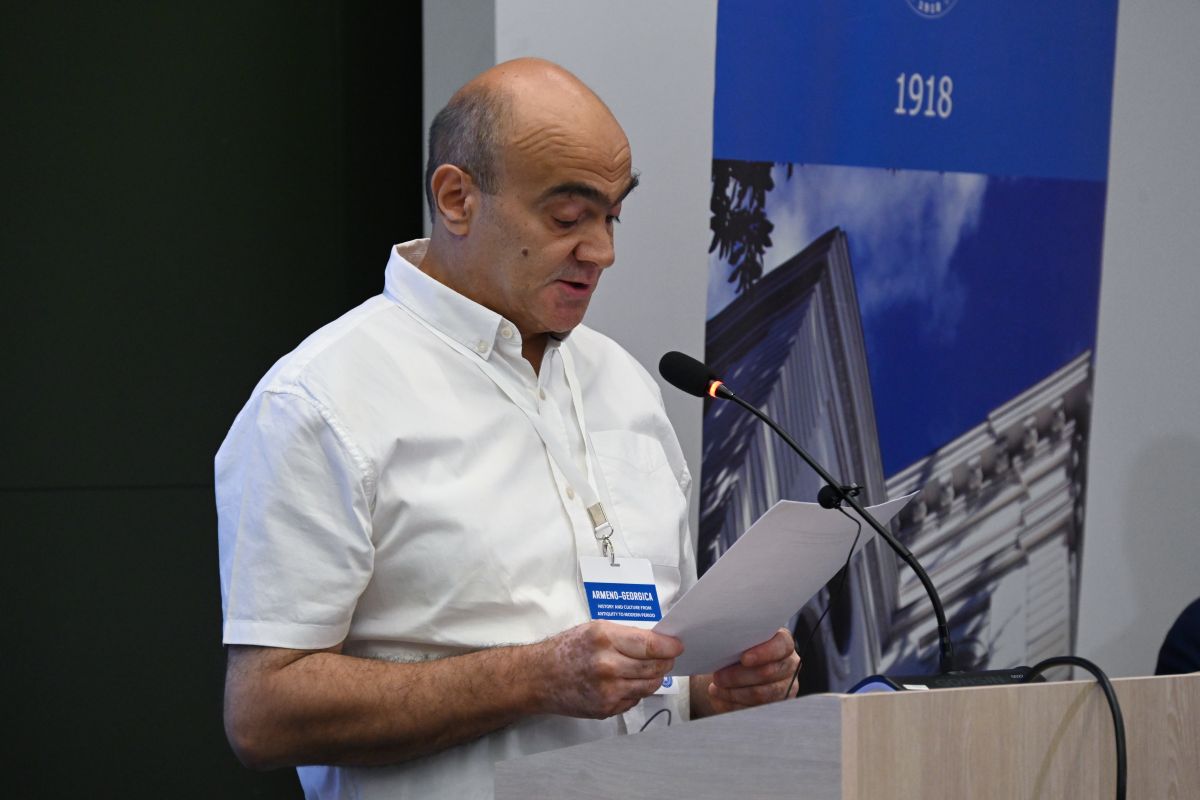
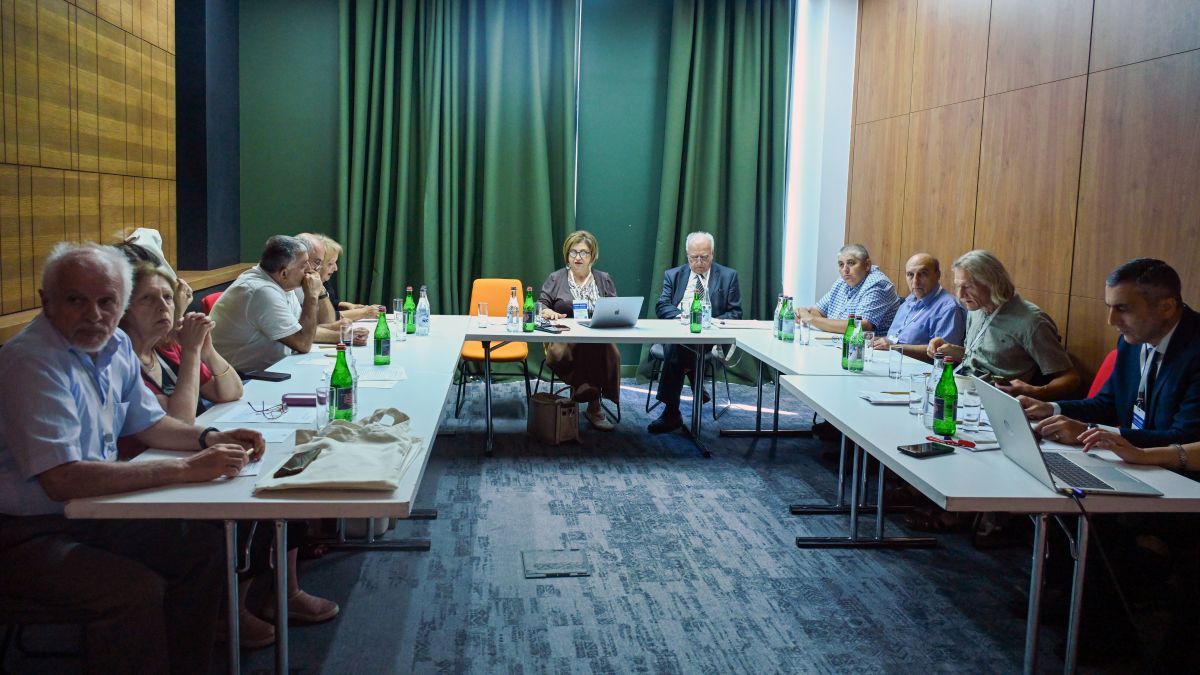
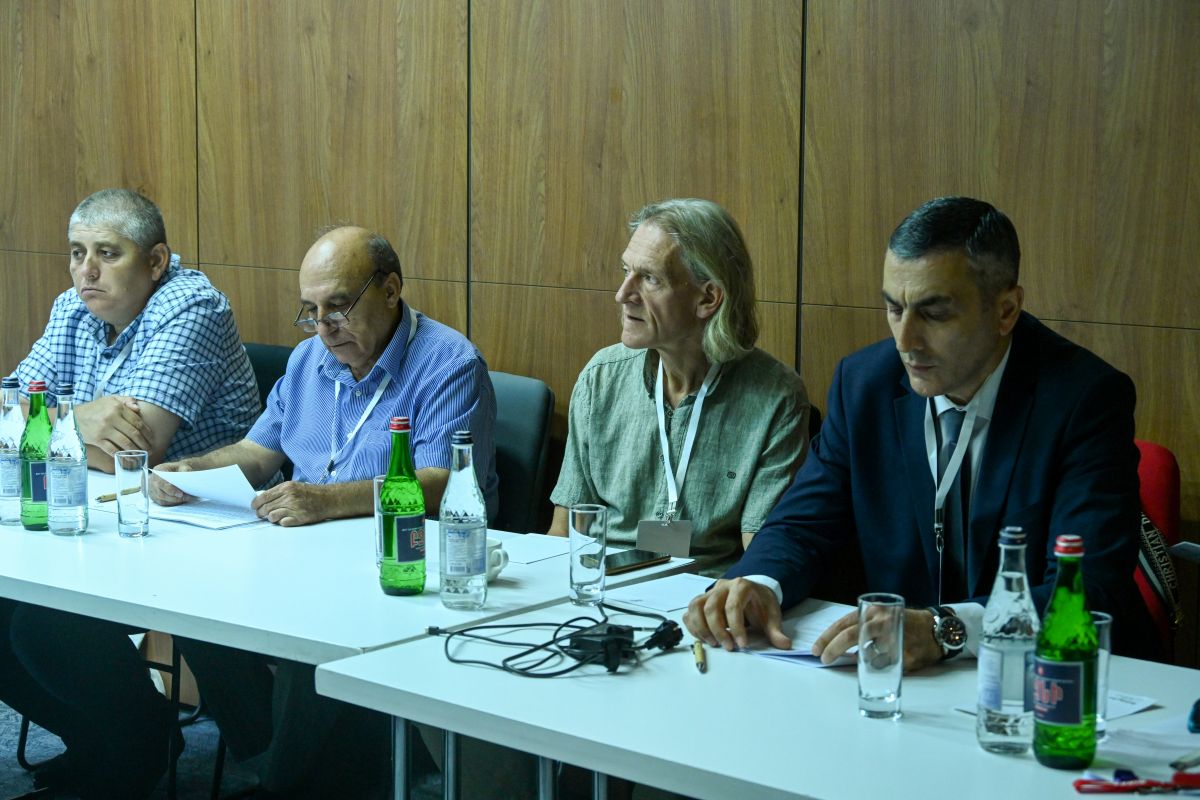
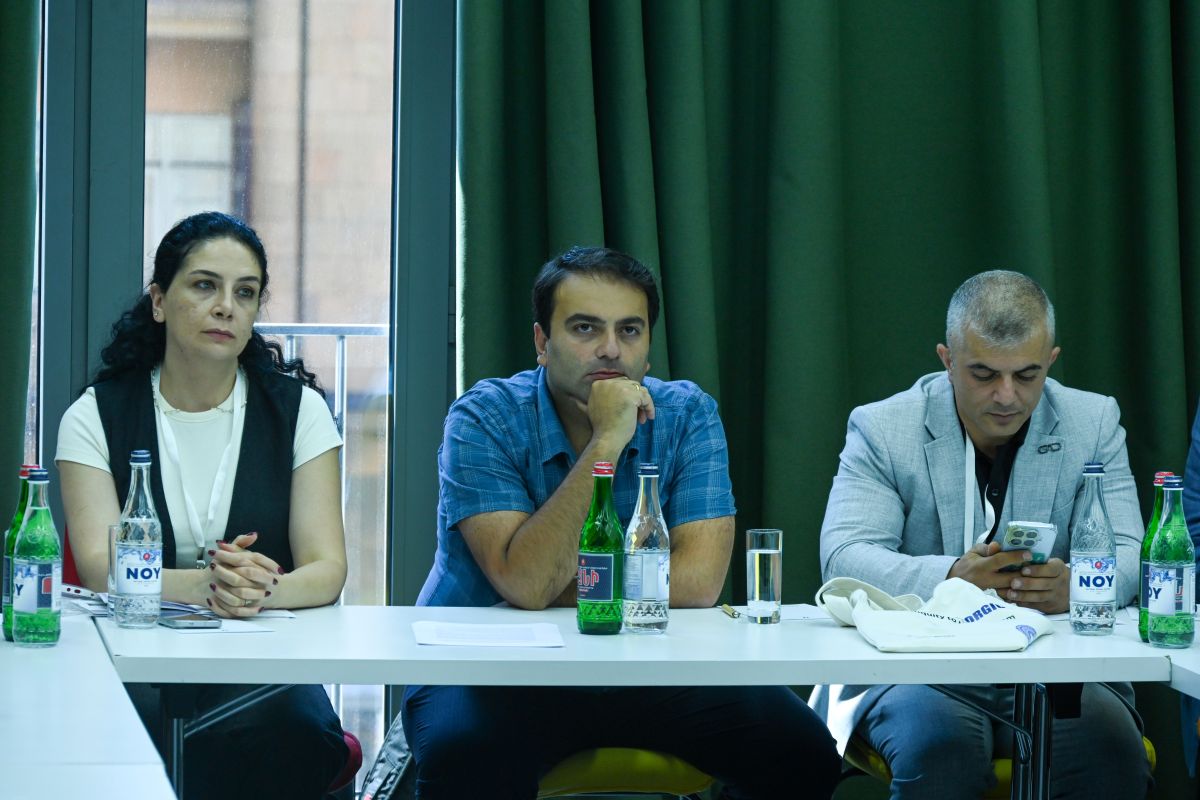
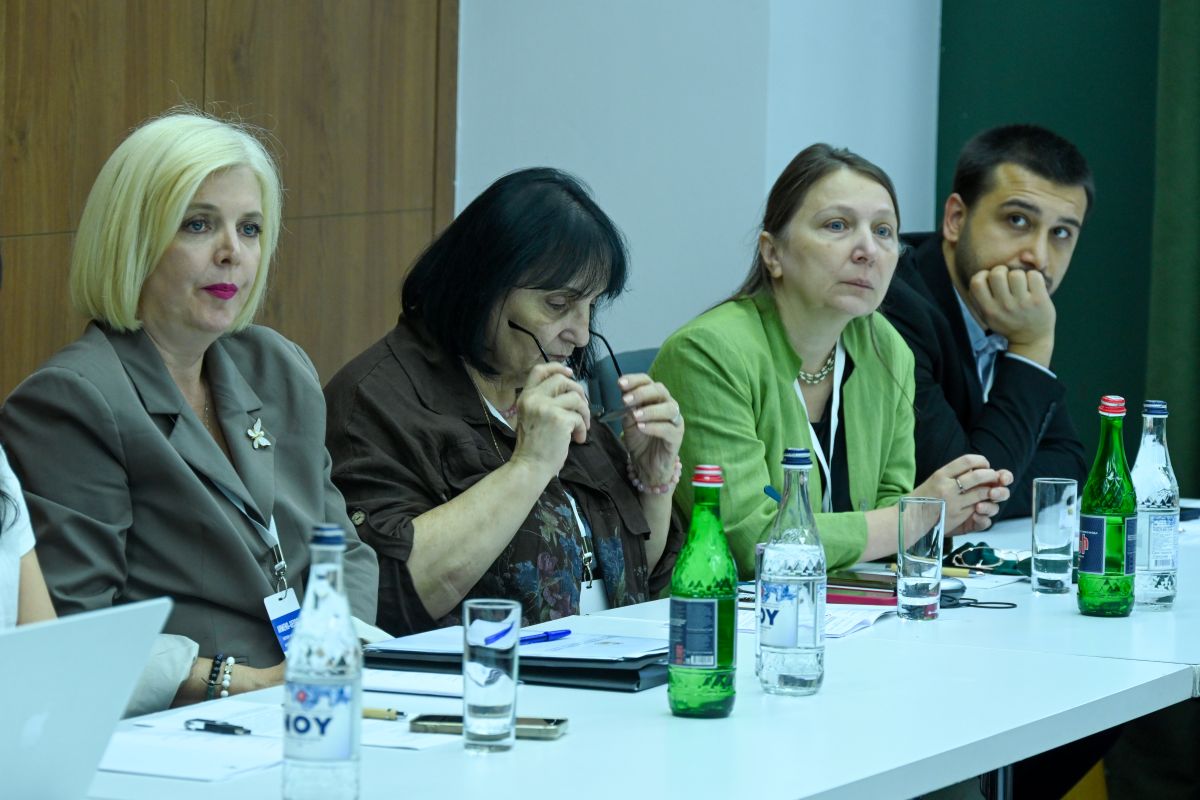
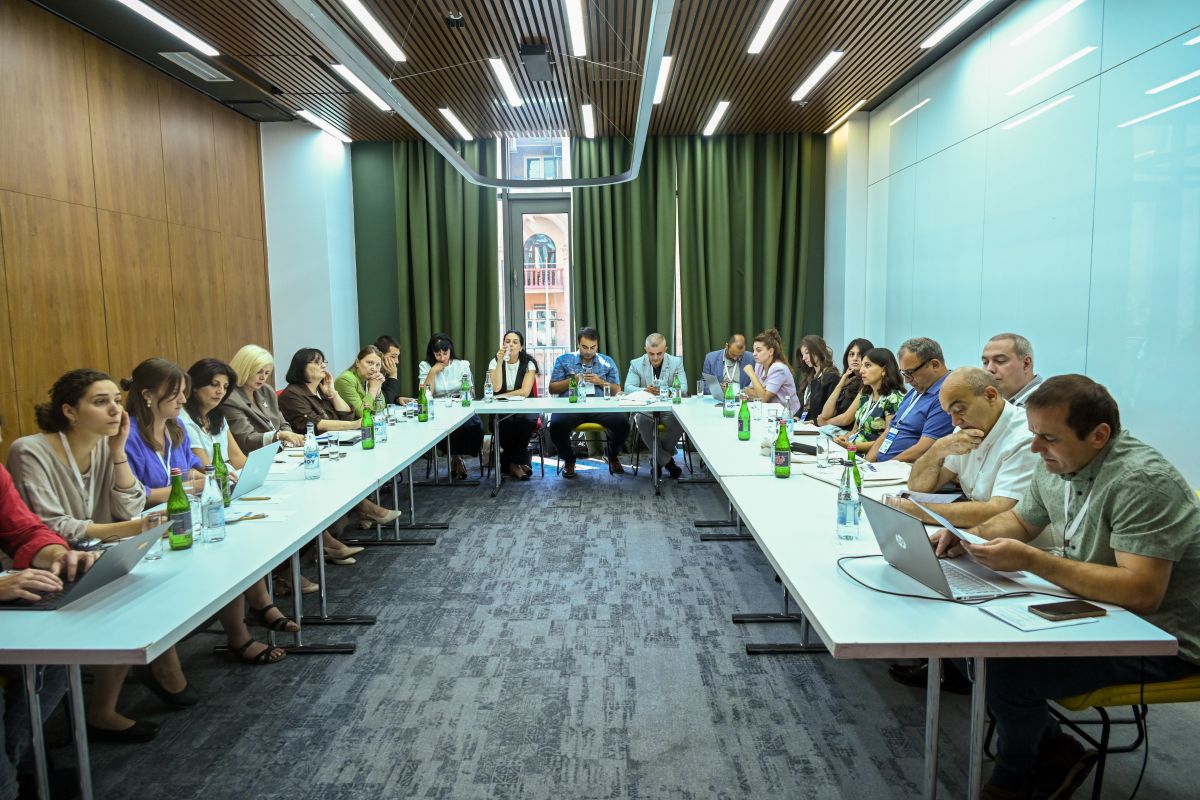
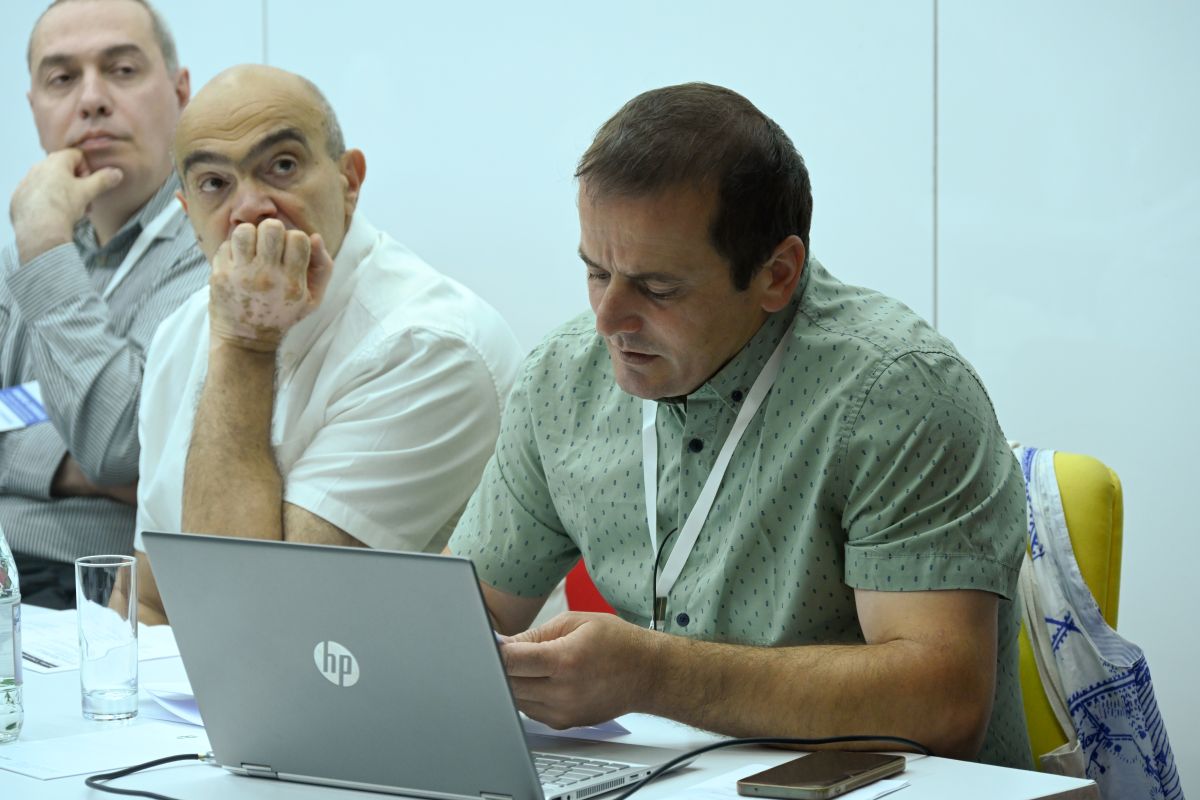
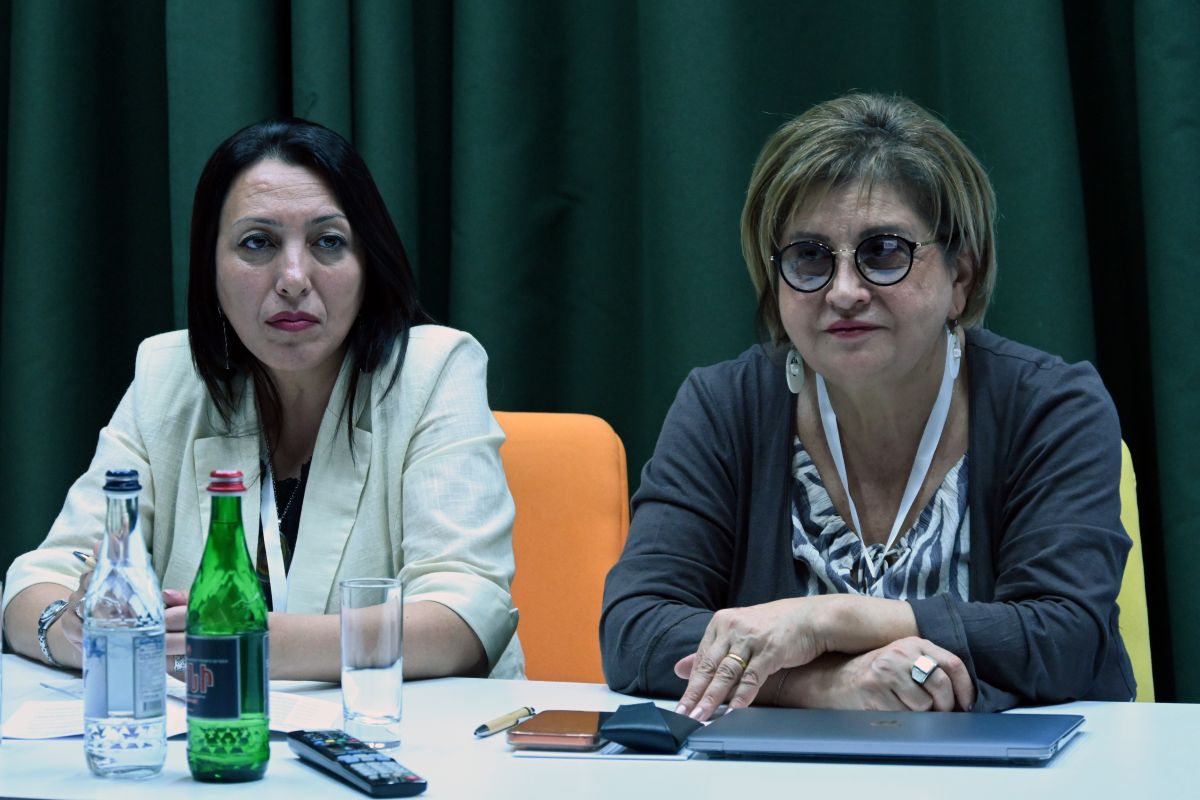
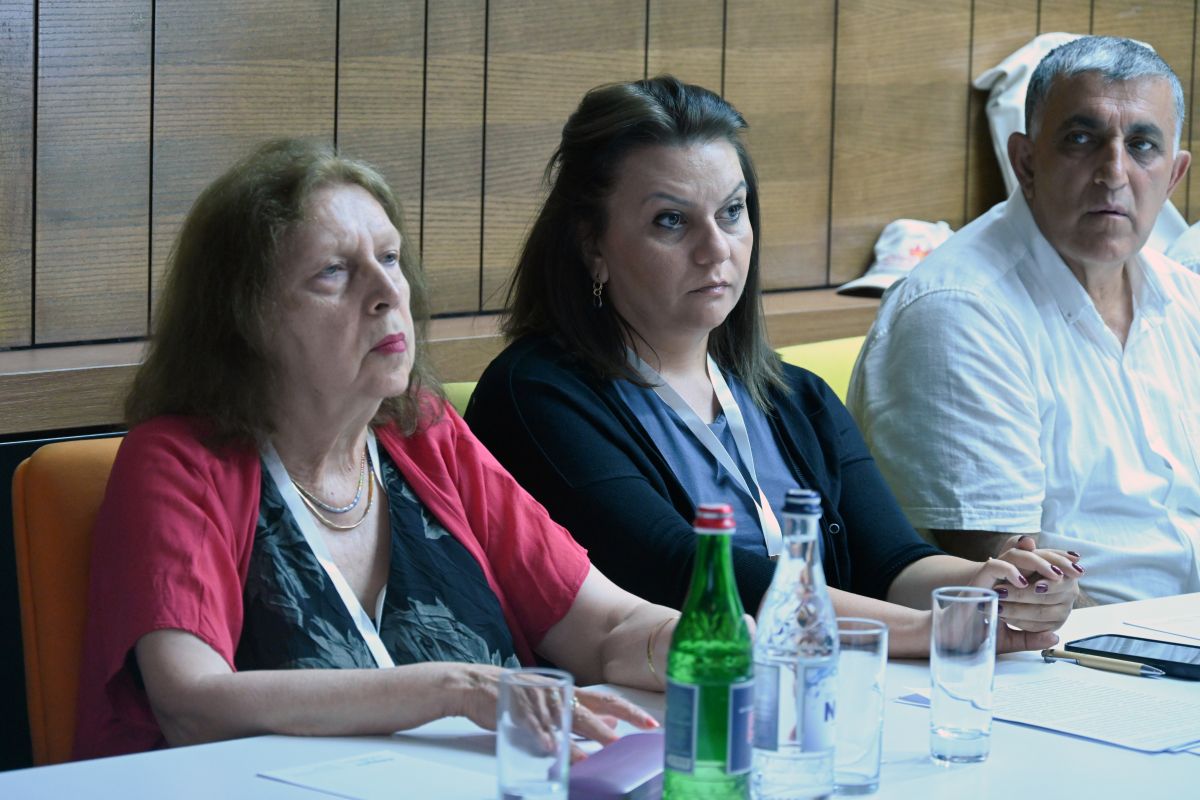
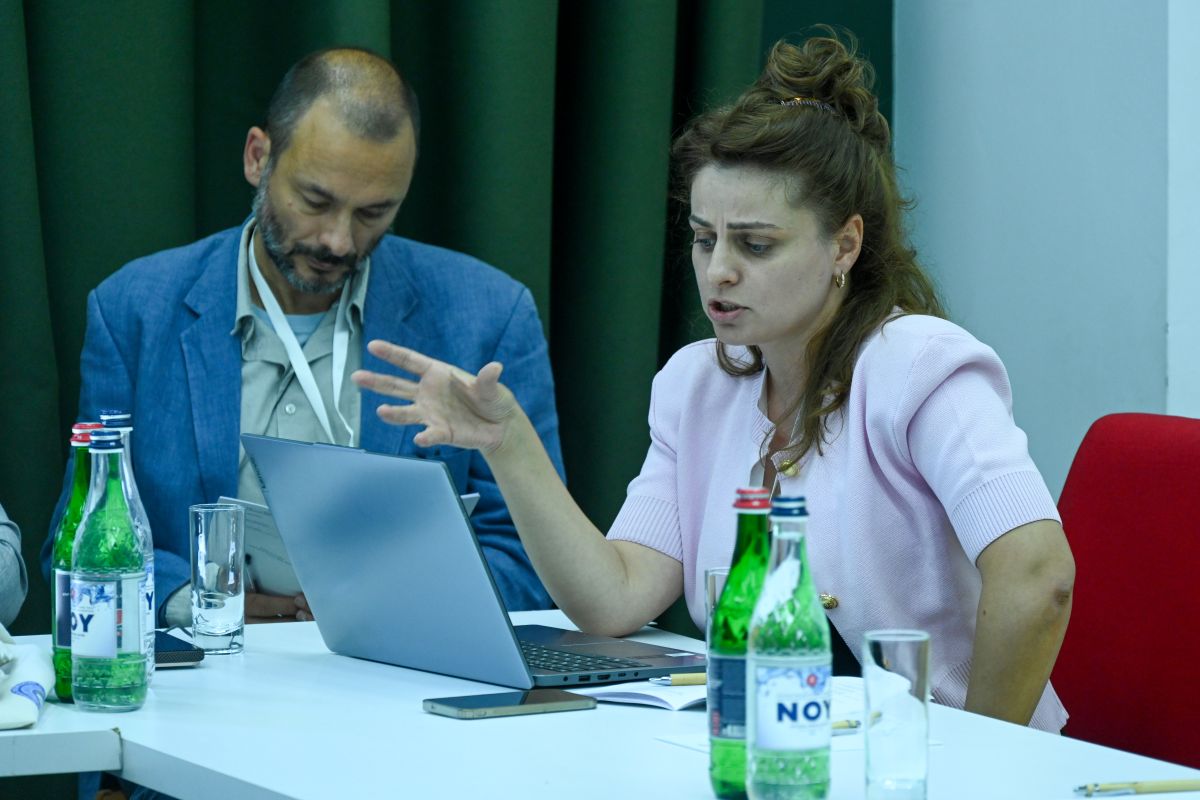
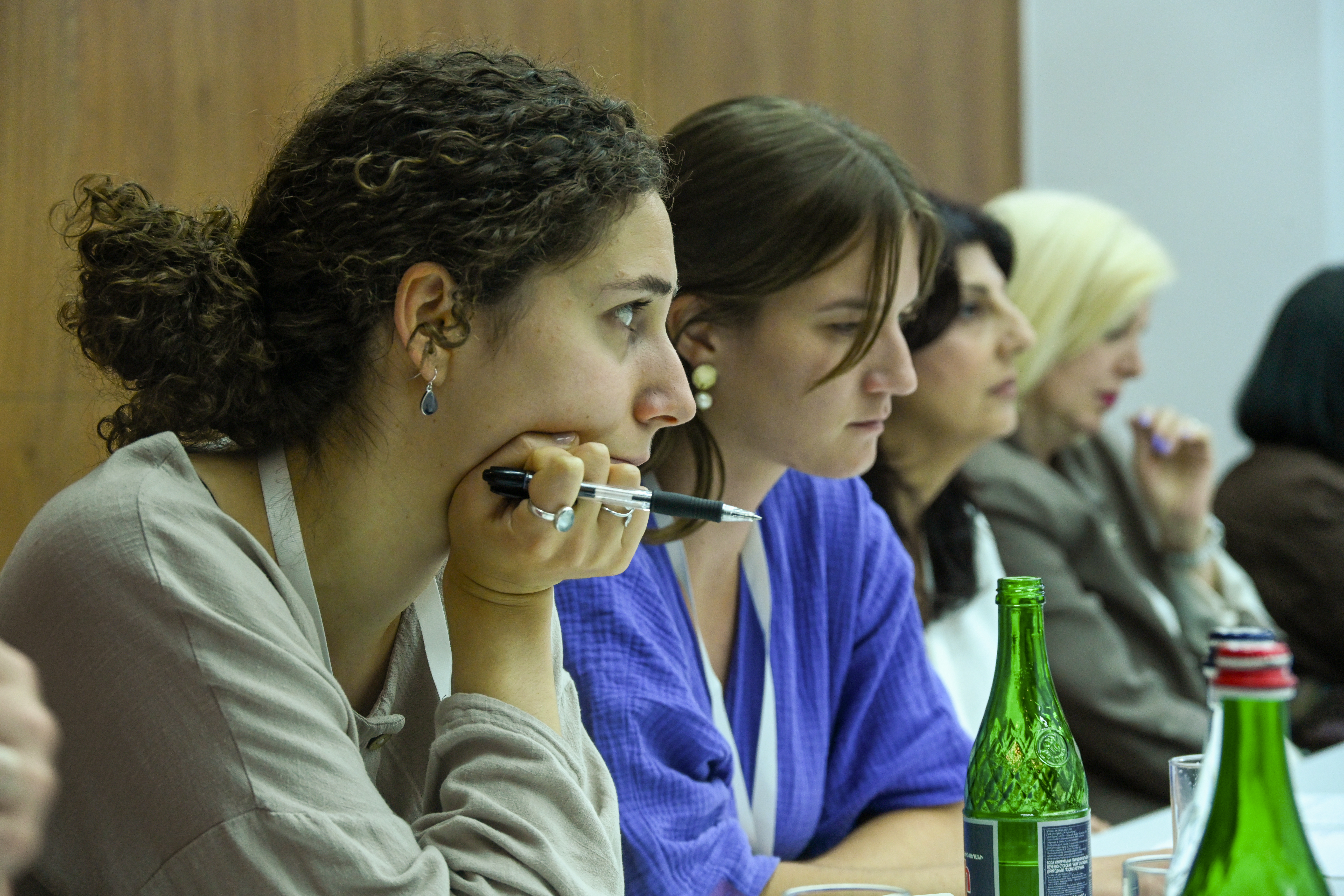
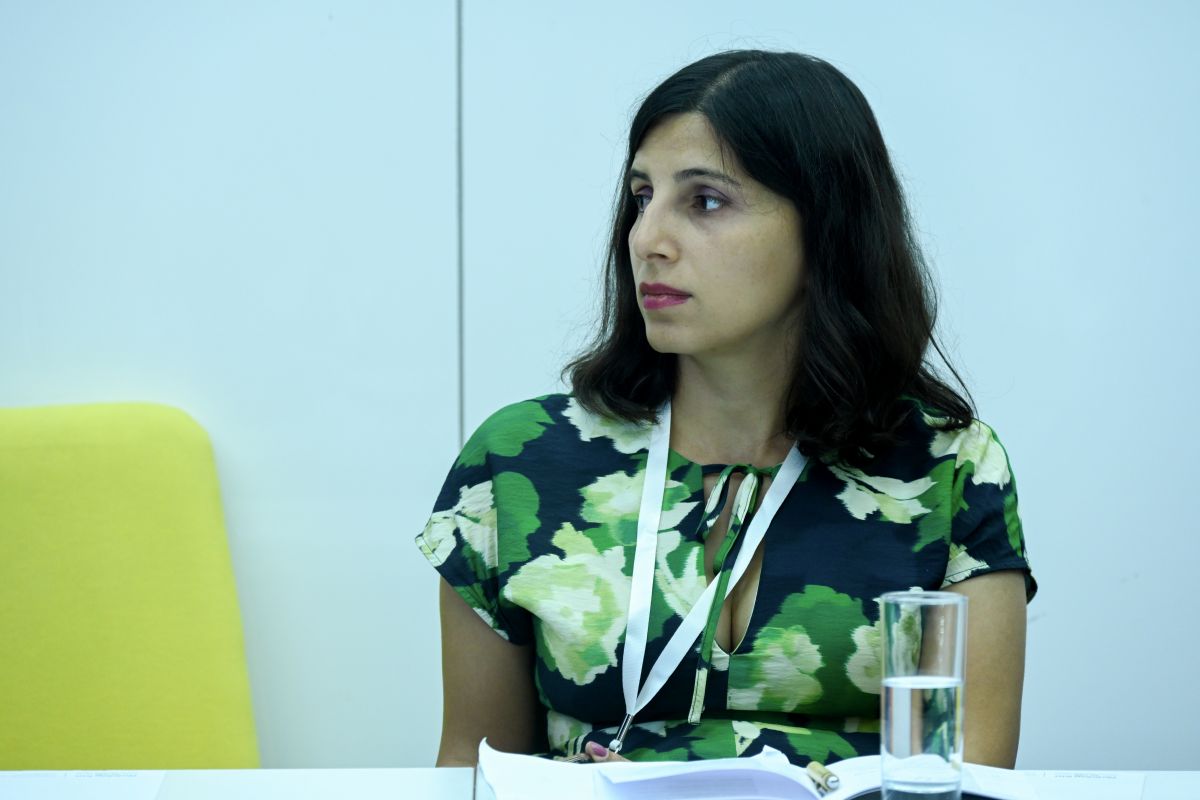
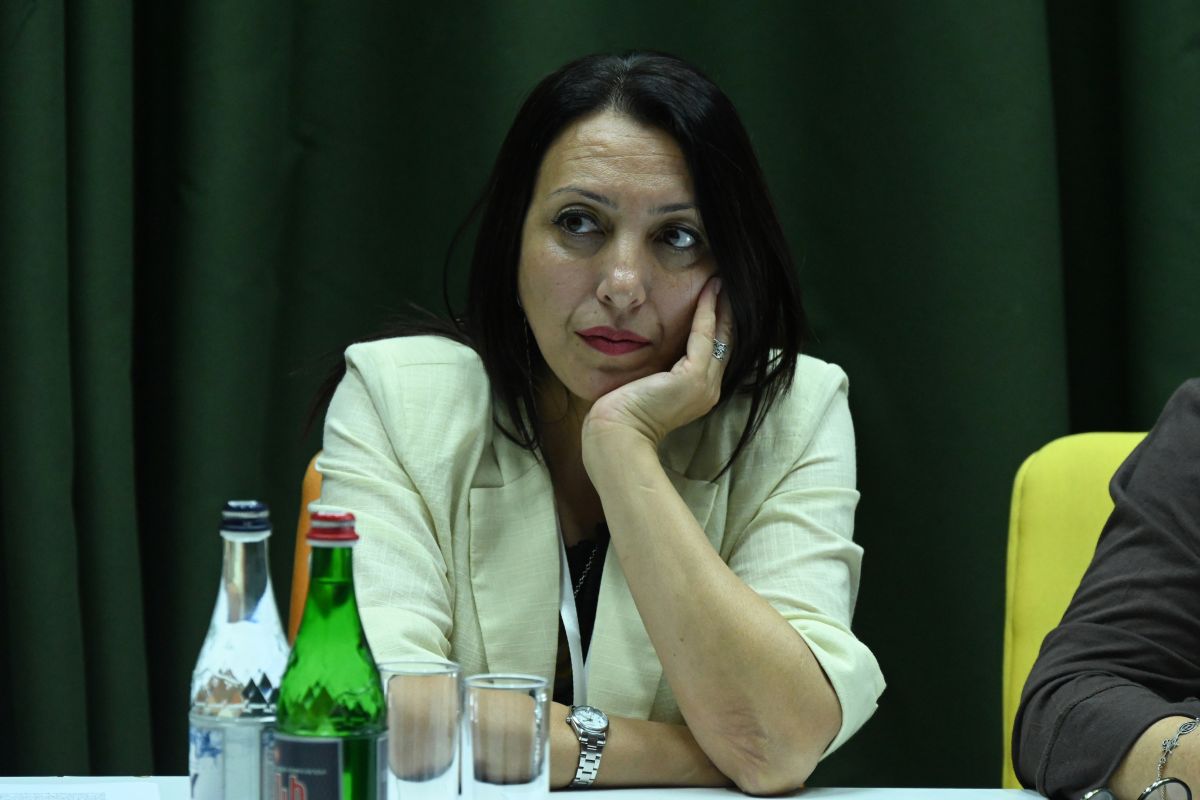
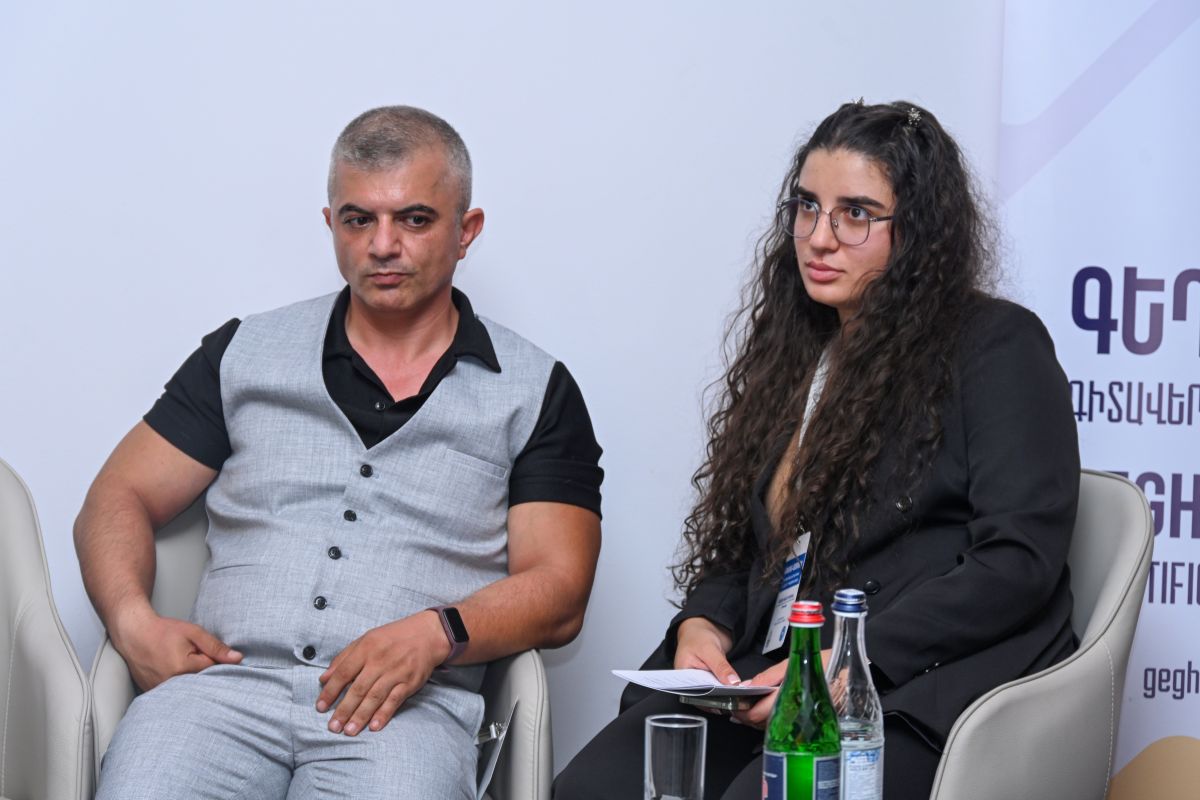
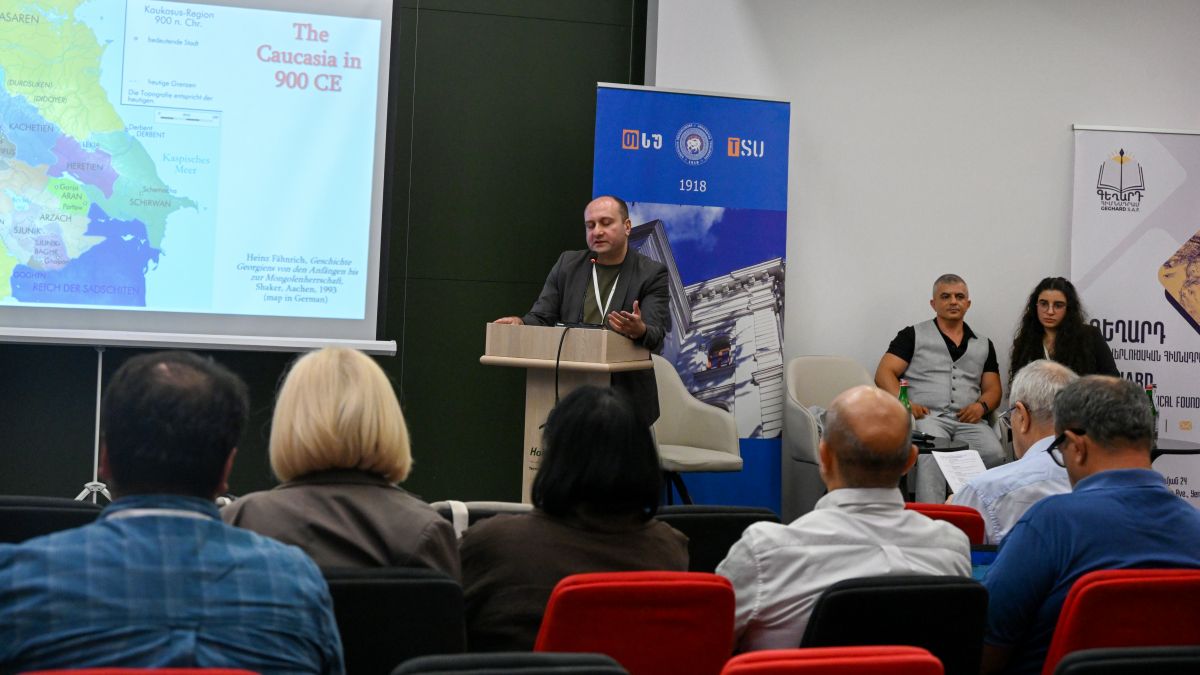
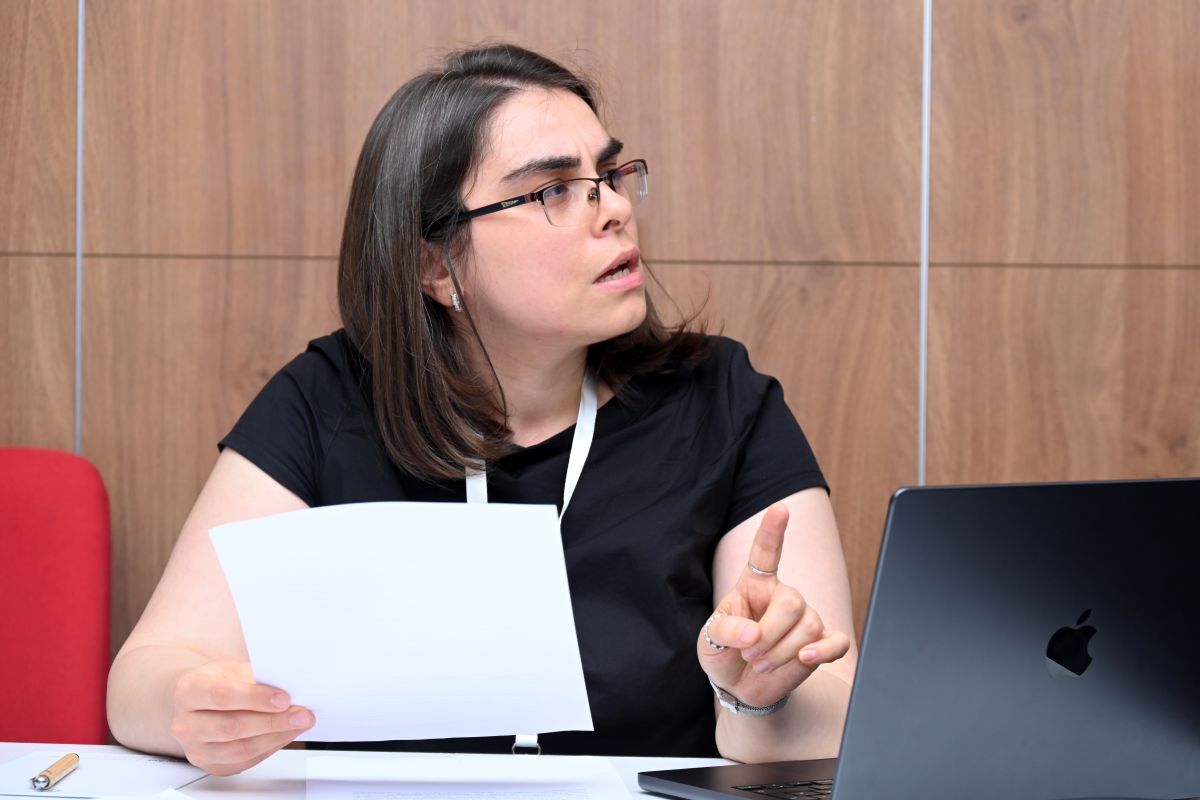
The international congress “Armeno-Georgica: Armenian-Georgian Historical and Cultural Relations from Antiquity to the Modern Period,” dedicated to a comprehensive study of Armenian-Georgian historical and cultural interactions, has commenced.
Welcoming the participants of the Congress on behalf of the “Geghard” Scientific-Analytical Foundation, the Foundation’s Director, Ph.D. in History and Associate Professor Robert Ghazaryan, noted that an Armenian-Georgian joint congress of such scale is being organized in Yerevan for the first time.
“For us, the study of the history of our friendly people is of essential importance, as it stems primarily from the interests of our two states. Although substantial work has been carried out in both Georgia and Armenia in the fields of Armenian and Georgian studies, respectively, pseudo-scientific manifestations in these fields have also increased significantly in today’s world. Therefore, discussing and bringing these issues to light will contribute to an objective assessment of historical events and to further deepening scientific cooperation,” R. Ghazaryan emphasized.
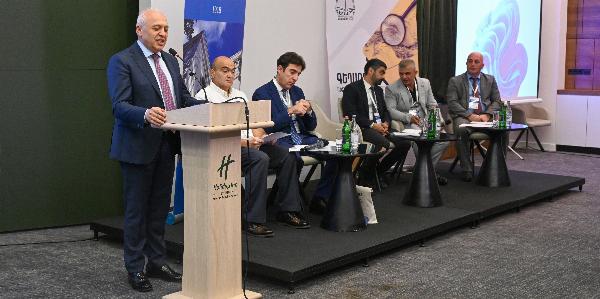
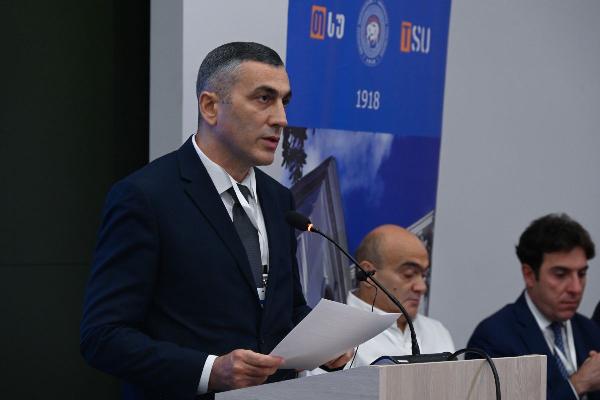
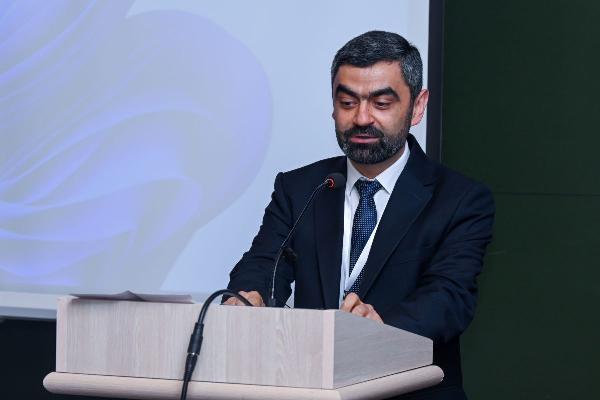
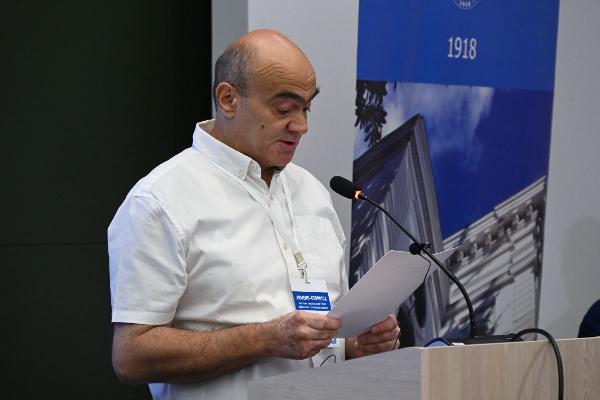
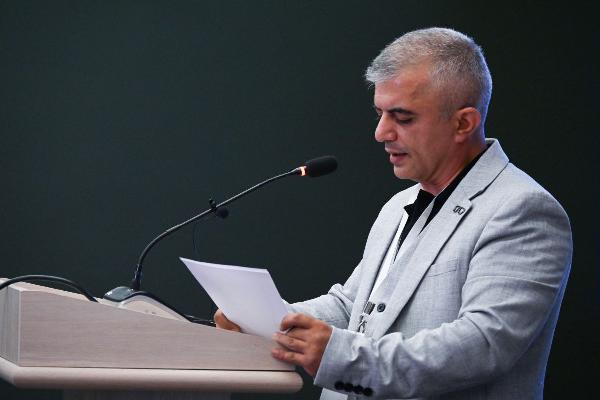
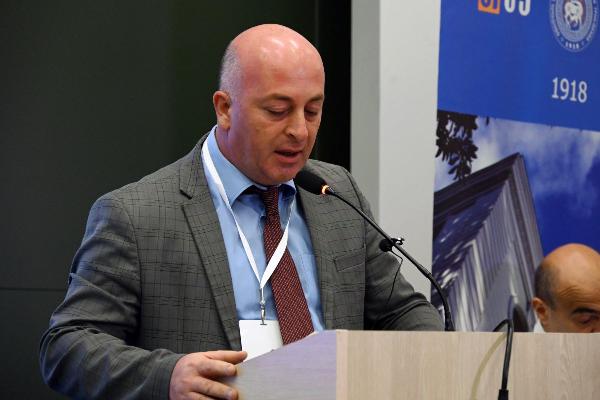
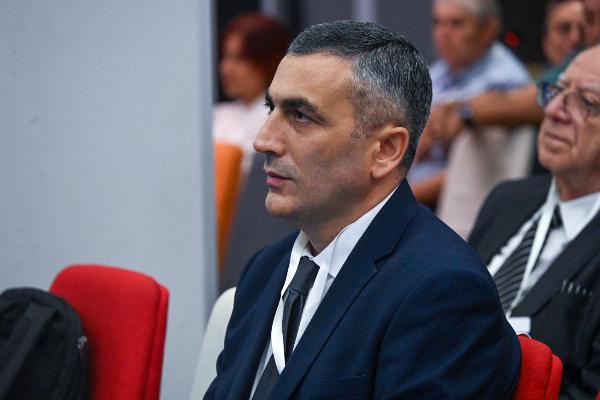
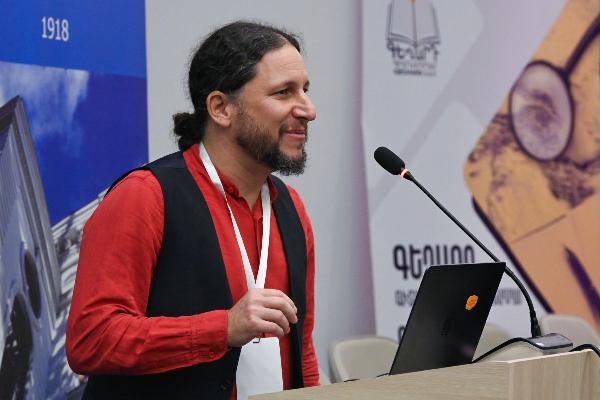
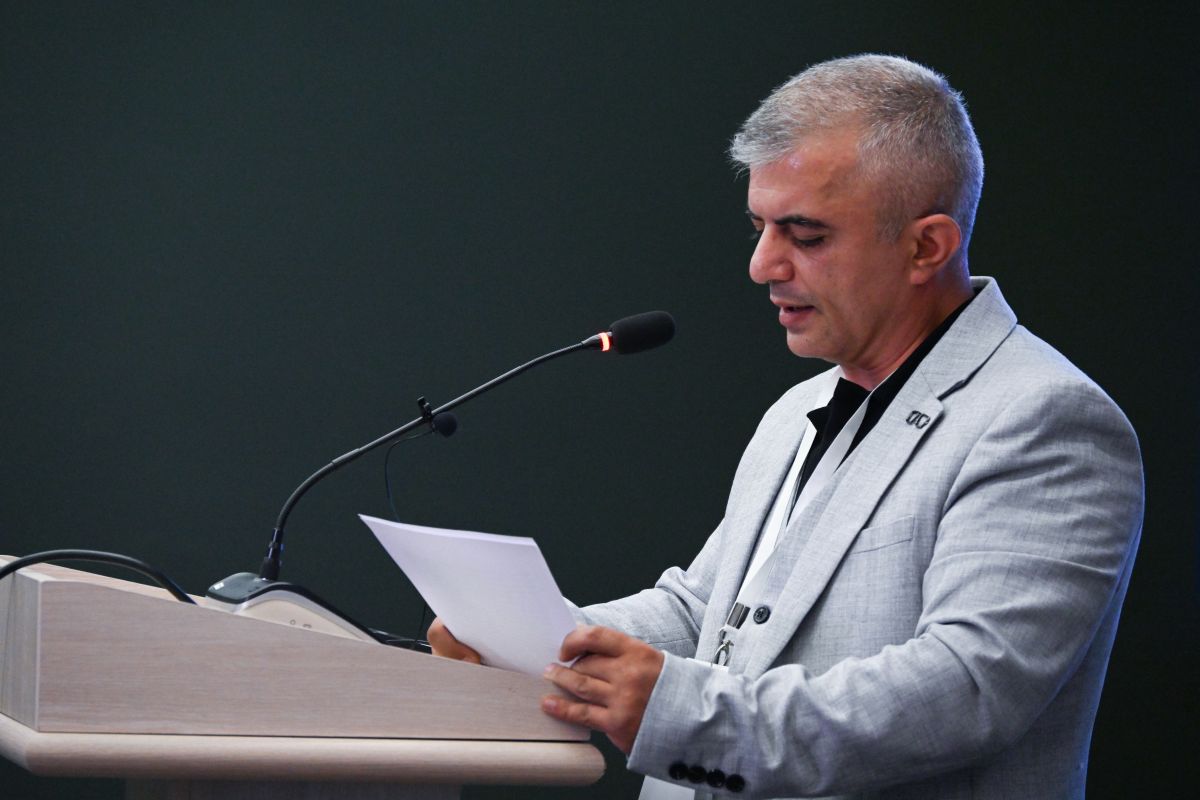
Sargis Hayotsyan, Chairman of the Higher Education and Science Committee of the Ministry of Education, Science, Culture and Sports of the Republic of Armenia, delivered the opening remarks. Welcoming the guests and participants, Hayotsyan noted that the Science Committee launched Armenian-Georgian interstate scientific cooperation with the Shota Rustaveli National Science Foundation of Georgia in 2022.
“Since then, the Higher Education and Science Committee and the Shota Rustaveli National Science Foundation have jointly funded and implemented more than ten projects. The international congress Armeno-Georgica: Armenian-Georgian Historical and Cultural Relations from Antiquity to the Modern Period is another important outcome of this cooperation,” Hayotsyan said.
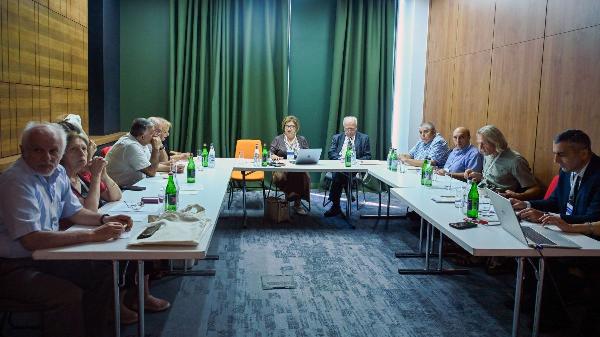
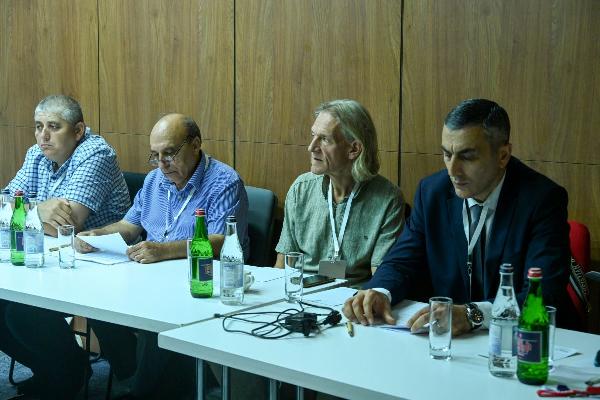
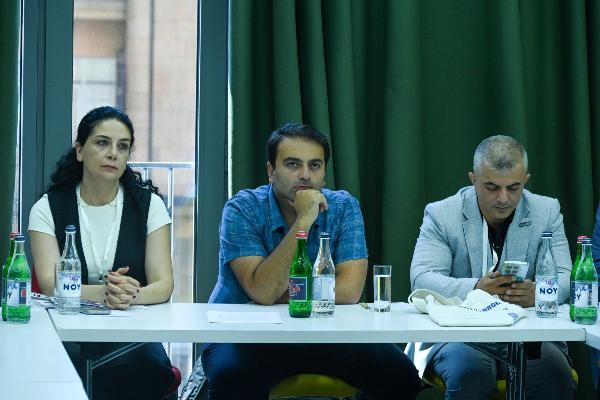
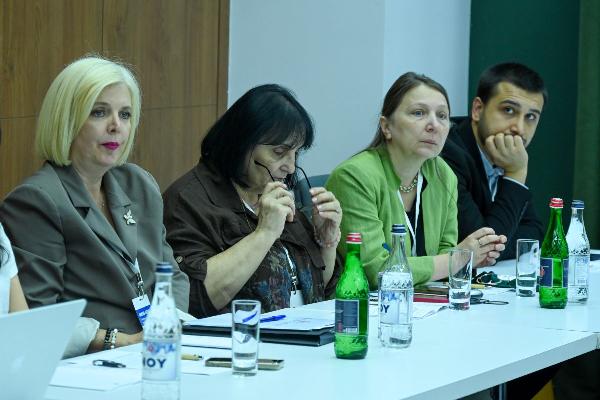
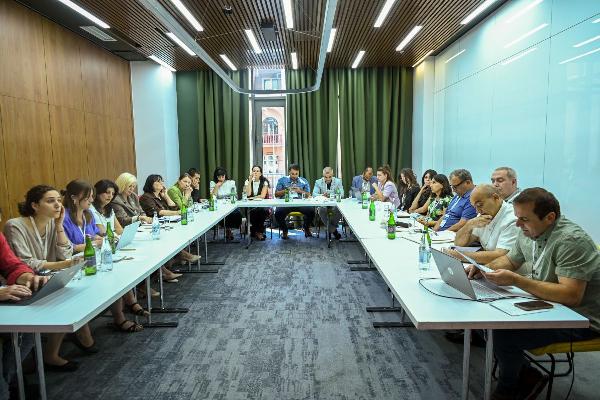
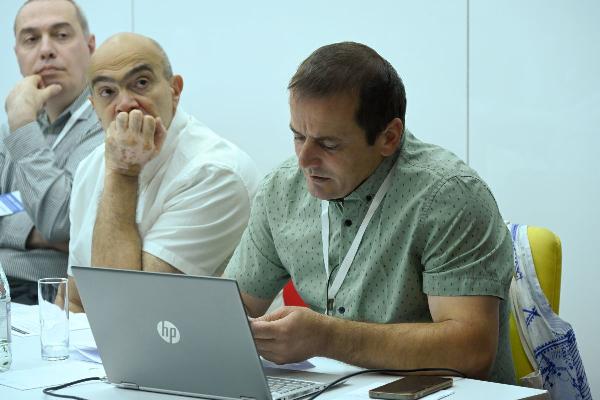
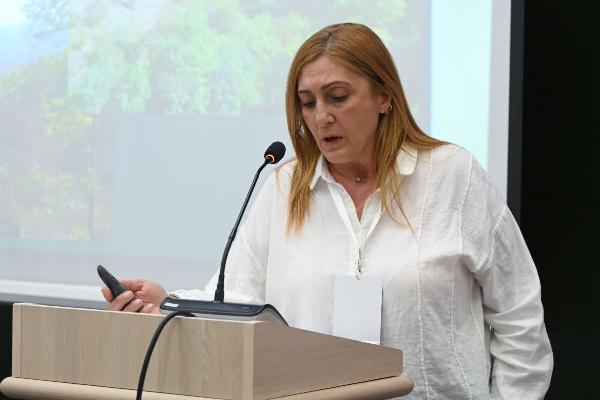
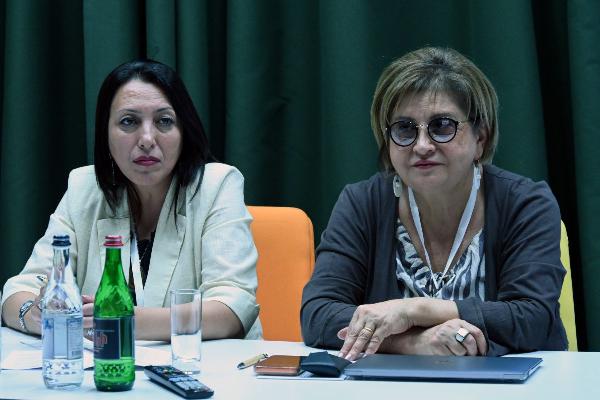
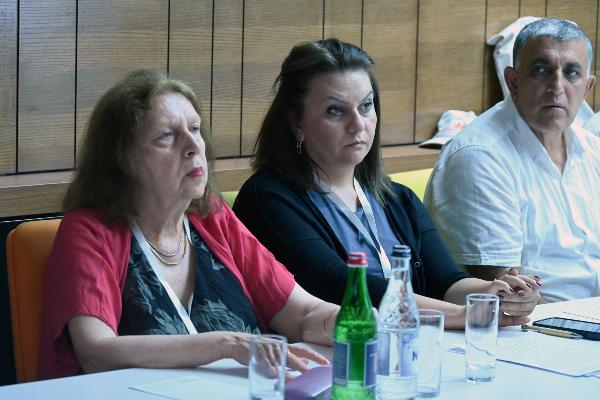
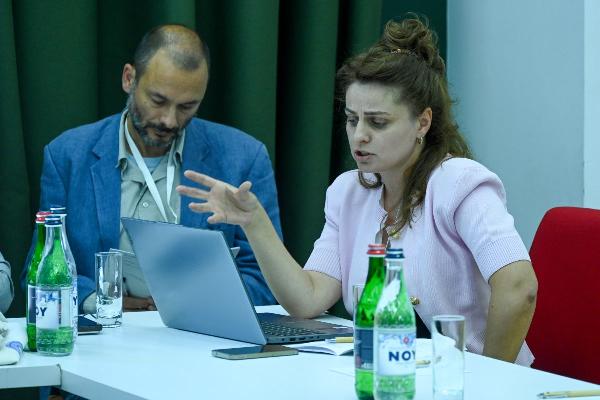
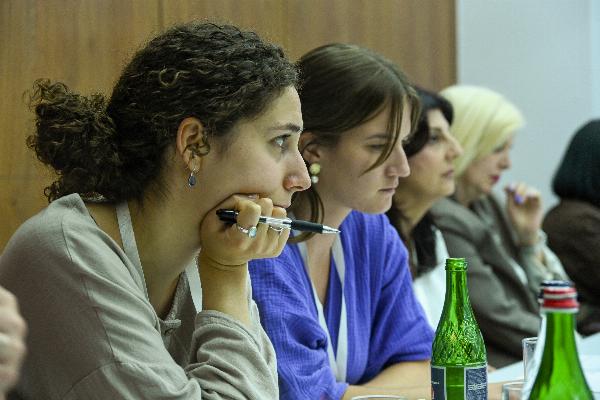
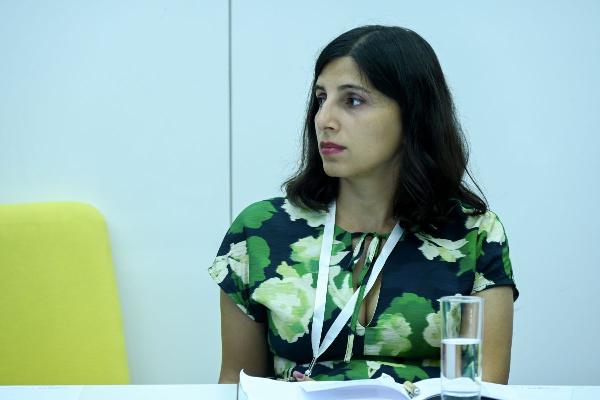
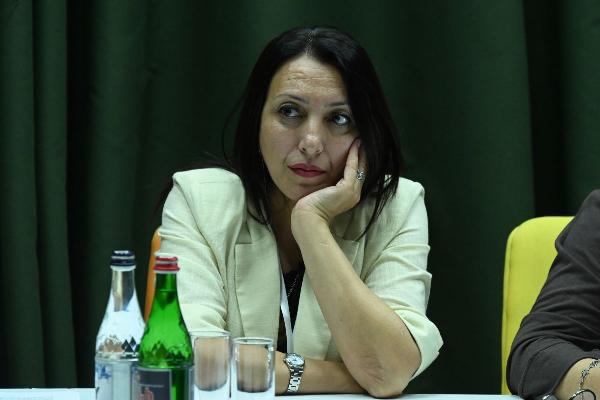
“The Republic of Armenia, through the Higher Education and Science Committee, does not merely provide support; it directly invests in and actively advances scientific research. In this case, the Committee consistently supports the bilateral organization of this Armenian-Georgian scientific event, the development of Armenian Studies and Caucasian Studies, the study of the millennium-long relations between Armenia and Georgia, and research into their centuries-old historical and cultural traditions,” Hayotsyan stated.
He expressed hope that the congress would launch closer cooperation among scholars in the field of history, particularly in Armenian Studies and Georgian Studies, as well as, more broadly, in Caucasian Studies.
H.E. Mr. Ashot Smbatyan, Ambassador Extraordinary and Plenipotentiary of the Republic of Armenia to Georgia, welcomed the Congress participants and noted that Armenians and Georgians have lived side by side in the same region for centuries. They have often faced the same historical challenges, shared many decisive periods in their histories, created cultural values, and maintained continuous communication and interaction.
Highlighting the centuries-old Armenian-Georgian ties, the Ambassador emphasized that historical chronicles and diplomatic documents are not the only evidence of their depth. Their cities, churches and monasteries, manuscripts, literature and art, educational and family traditions, and everyday human relationships all provide living testimony to these enduring ties.
“Today, our relations, built on this centuries-old foundation, also have a clear political and institutional framework. We can confidently state that Armenian-Georgian relations have reached a high level of development,” the Ambassador said.
Sasun Hovhannisyan, Head of the Georgia Division of the Department for Neighboring Countries at the Ministry of Foreign Affairs and International Trade of the Republic of Armenia, spoke about the close ties that have connected the Armenian and Georgian peoples for centuries.
“I am confident that the academic discussions taking place within the framework of the Congress will make an important contribution to shedding light on historical and cultural processes in the region, as well as to deepening institutional academic cooperation between Armenian Studies and Georgian Studies,” Hovhannisyan said.
Welcoming the Congress participants and attendees, Hovhannes Aleksanyan, Head of the Department for the Integration of Repatriates at the Office of the High Commissioner for Diaspora Affairs of the Republic of Armenia, noted that the wide range of topics addressed by the Congress highlights the depth of Armenian-Georgian relations, their rich historical heritage, their thousand-year history, and the ties between the two peoples.
“The presence of a large Armenian community in Georgia and the shared historical heritage provide a solid foundation for further developing our relations and demonstrate the depth of academic cooperation between scholars from our two nations,” Aleksanyan said.
Pavel Avetisyan, Vice President of the National Academy of Sciences of the Republic of Armenia, emphasized that we cannot fully understand Armenian-Georgian historical relations within the framework of a single period or academic discipline as they represent a complex of political, cultural, religious, economic, and social interactions that have developed over the course of centuries.
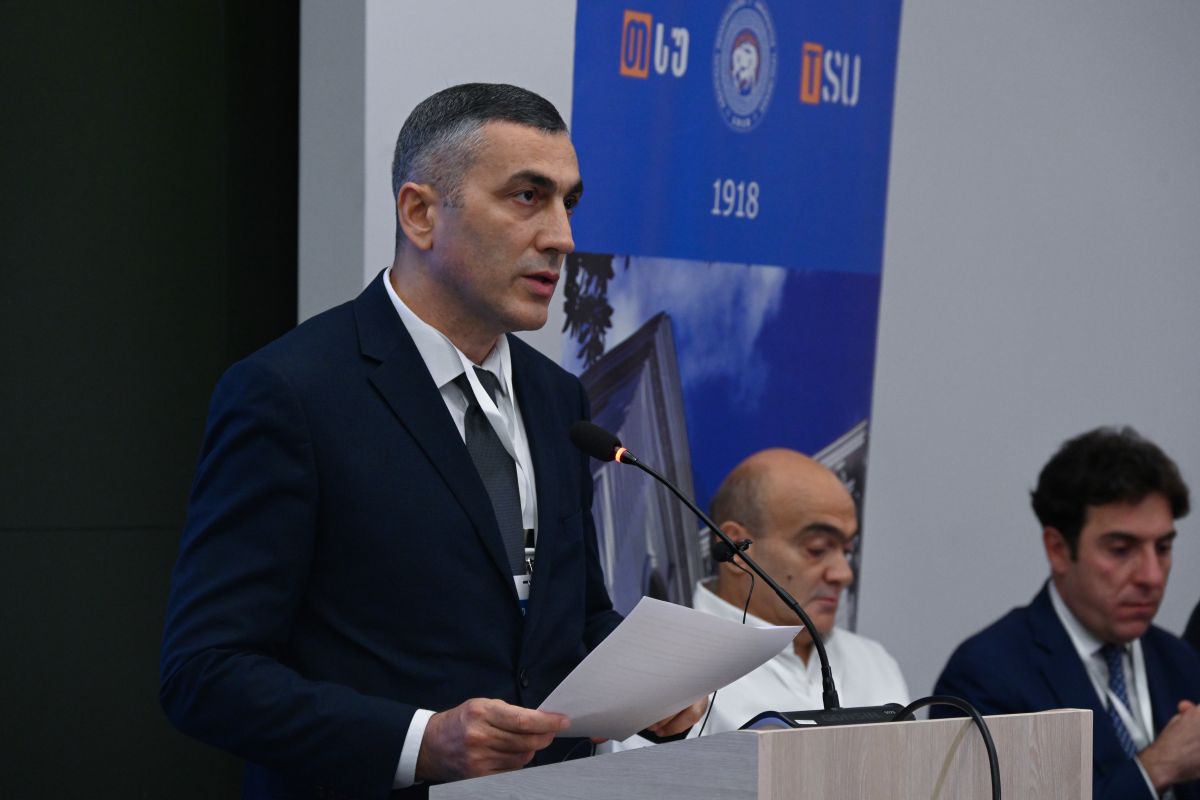
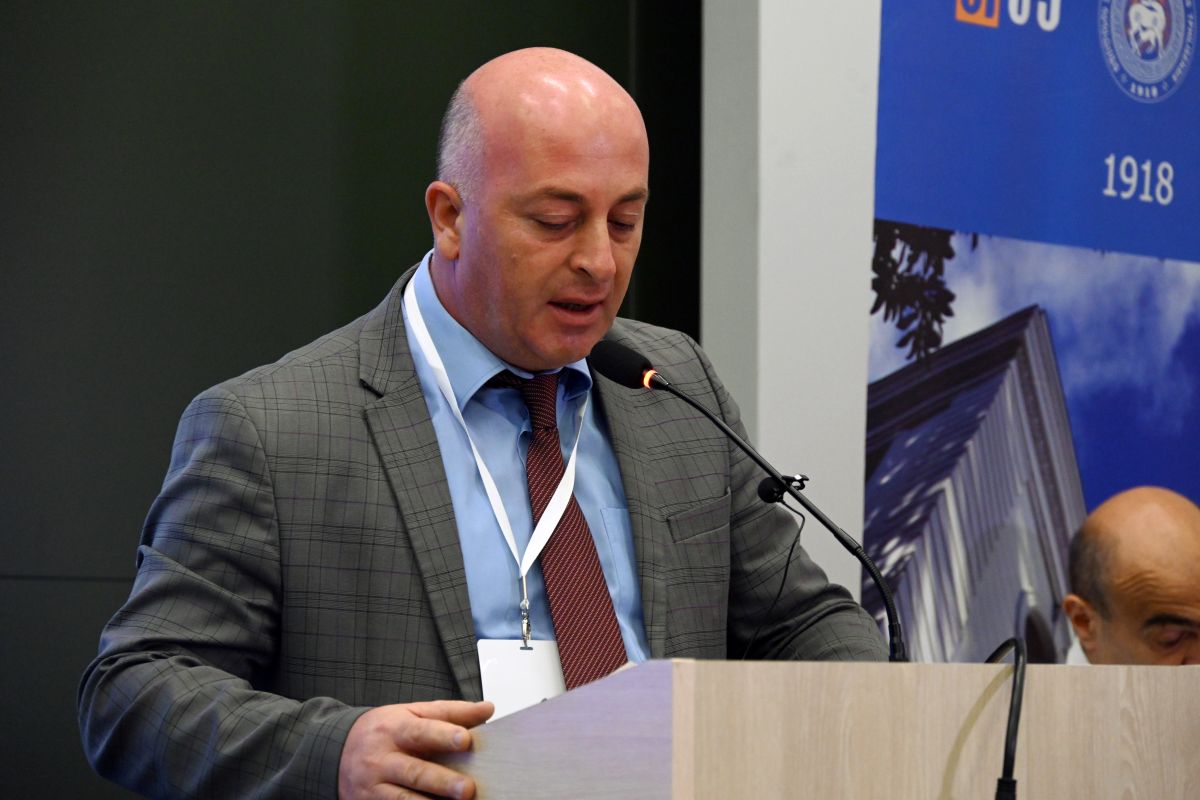
The message of Jaba Samushia, Rector of Ivane Javakhishvili Tbilisi State University and Academician, highlighted the important outcome of the long-standing institutional partnership between the “Geghard” Scientific-Analytical Foundation and Tbilisi State University. He emphasized that the two sides seek to achieve three key objectives: advancing regional historiography, strengthening institutional ties, and contextualizing their shared heritage. “Our goal is not merely to renarrate the past, but also to critically examine the deep historical ties that connect the Georgian and Armenian peoples,” said Professor Giorgi Cheishvili, Director of the Ivane Javakhishvili Institute of History and Ethnology.
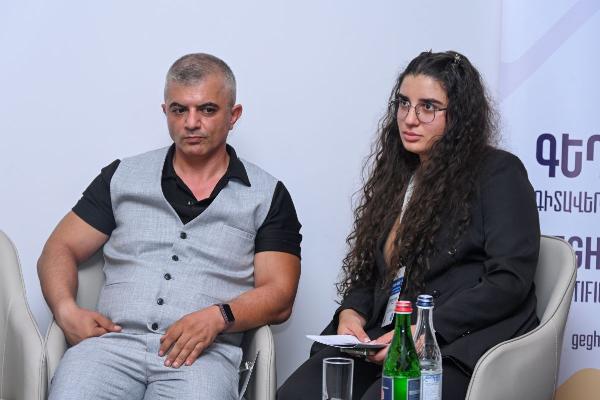
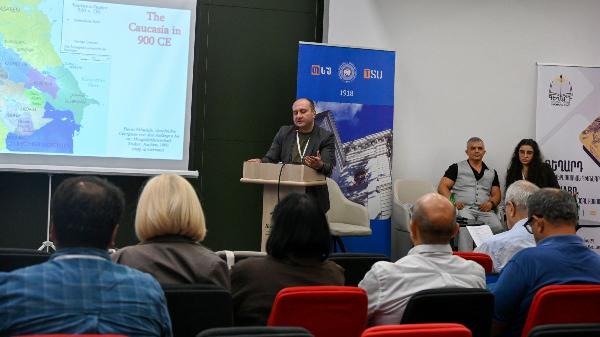
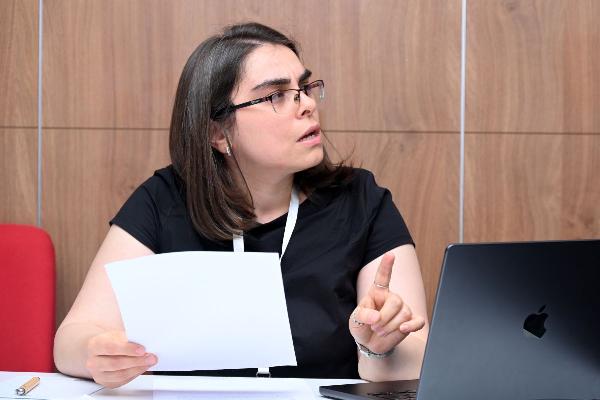
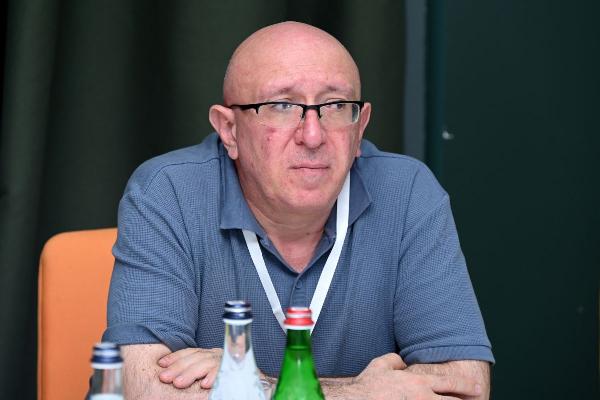
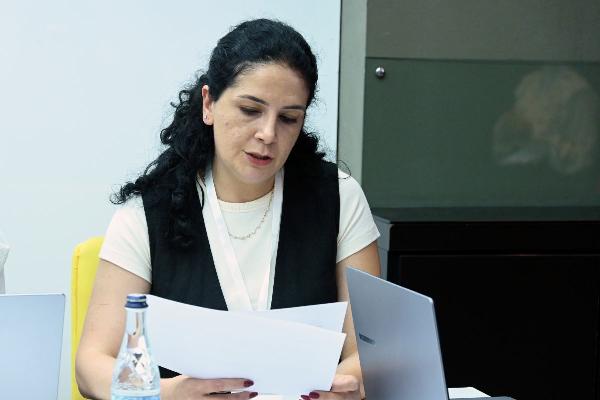
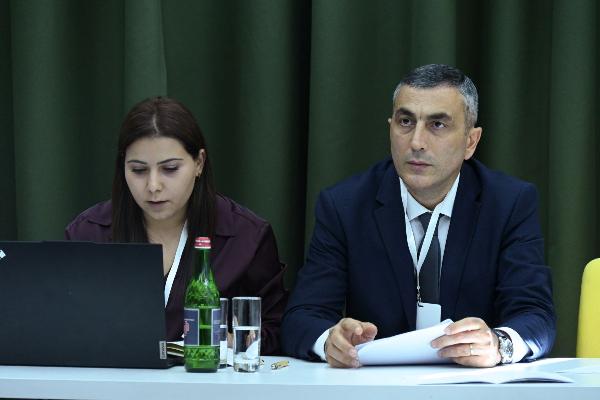
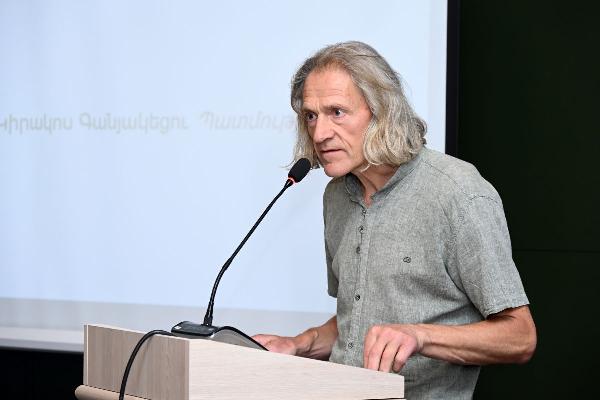
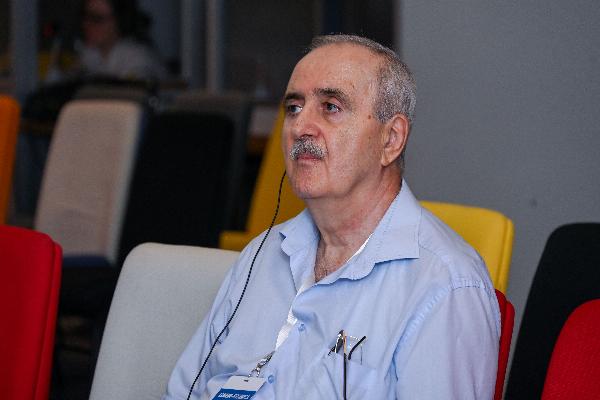
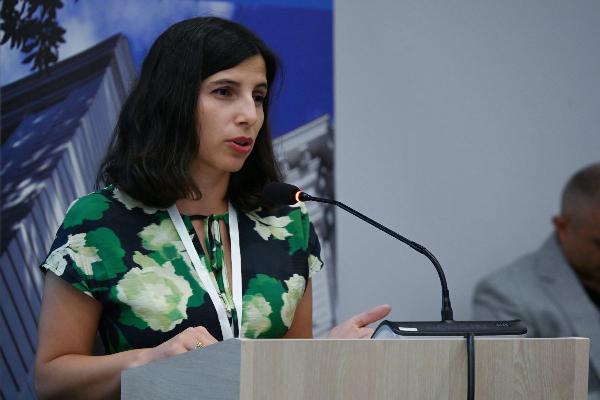
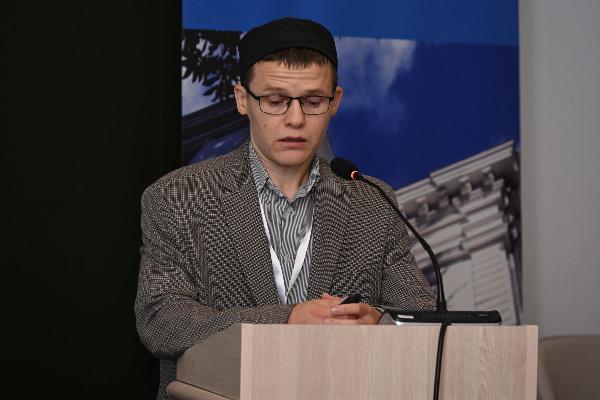
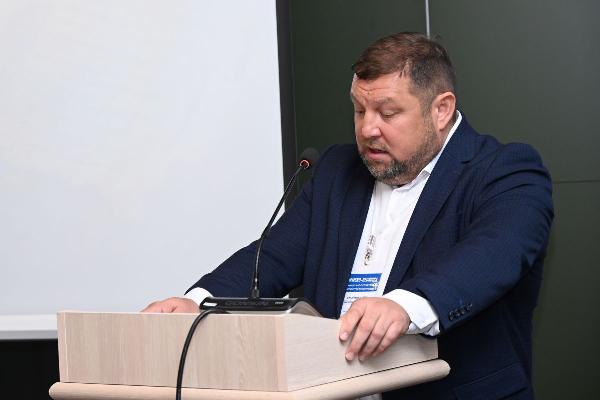
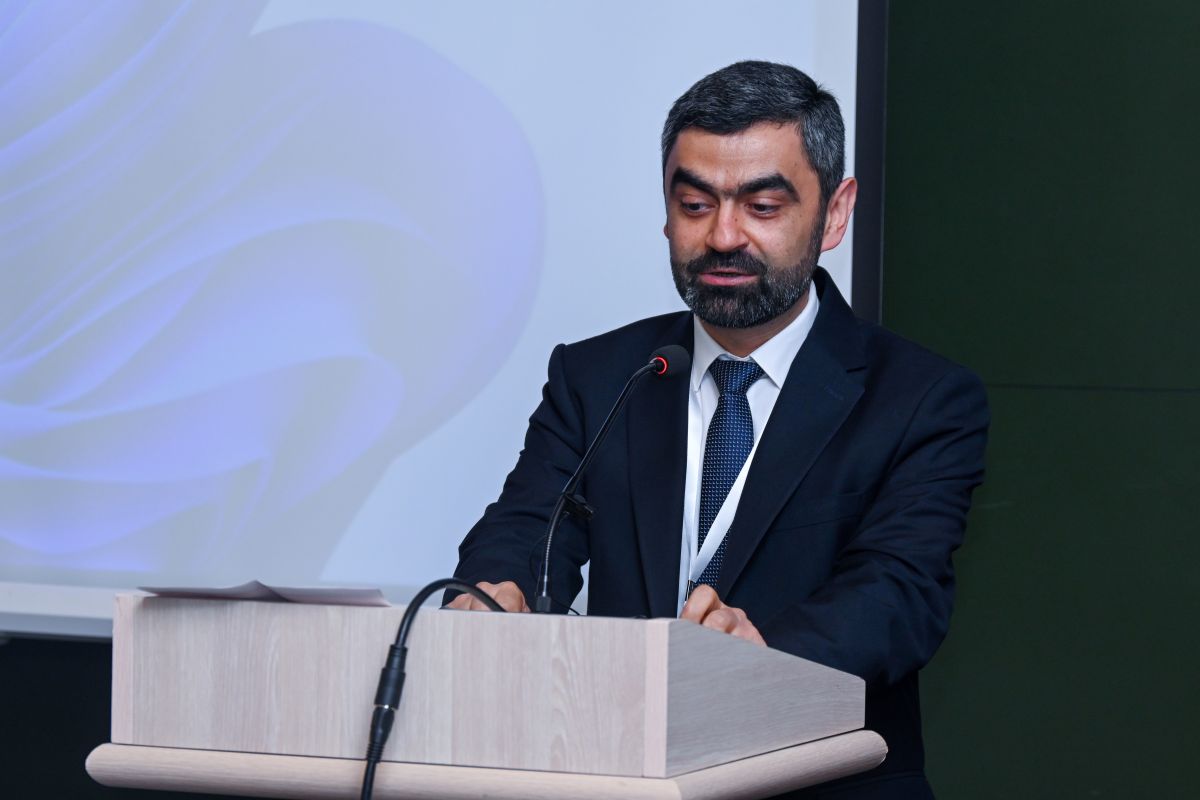
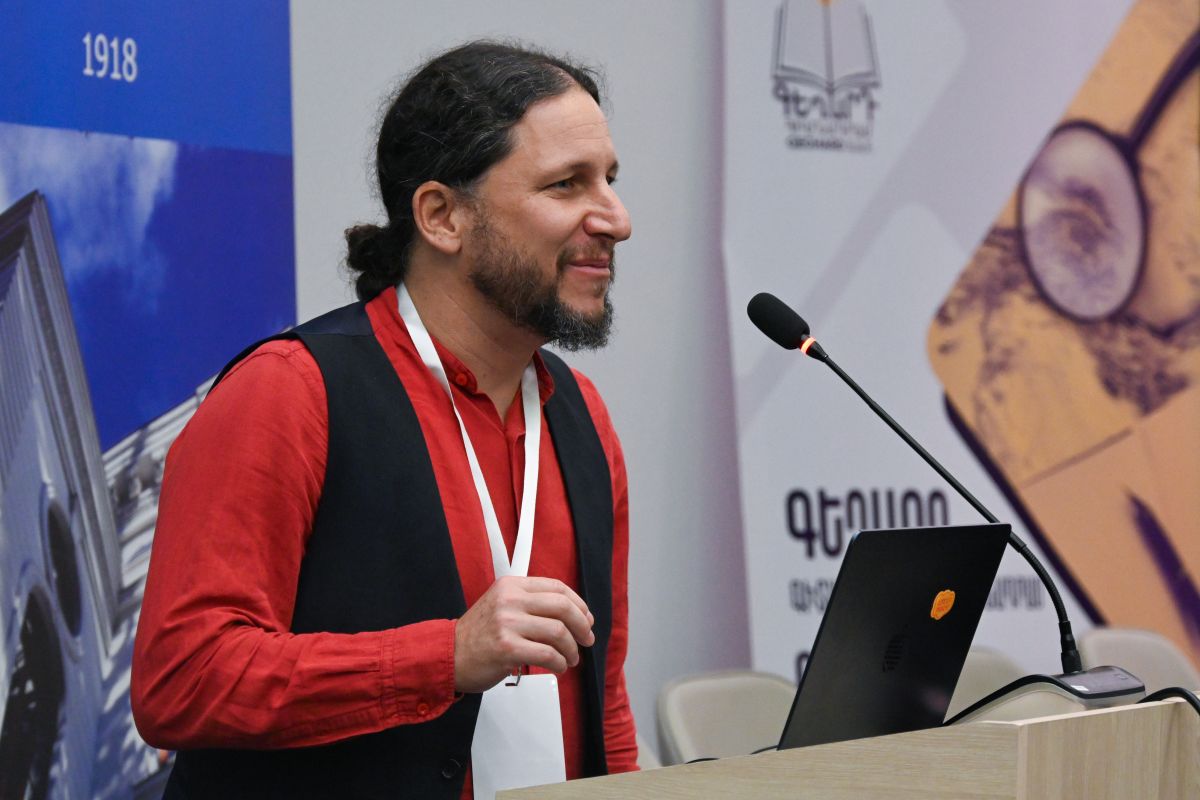
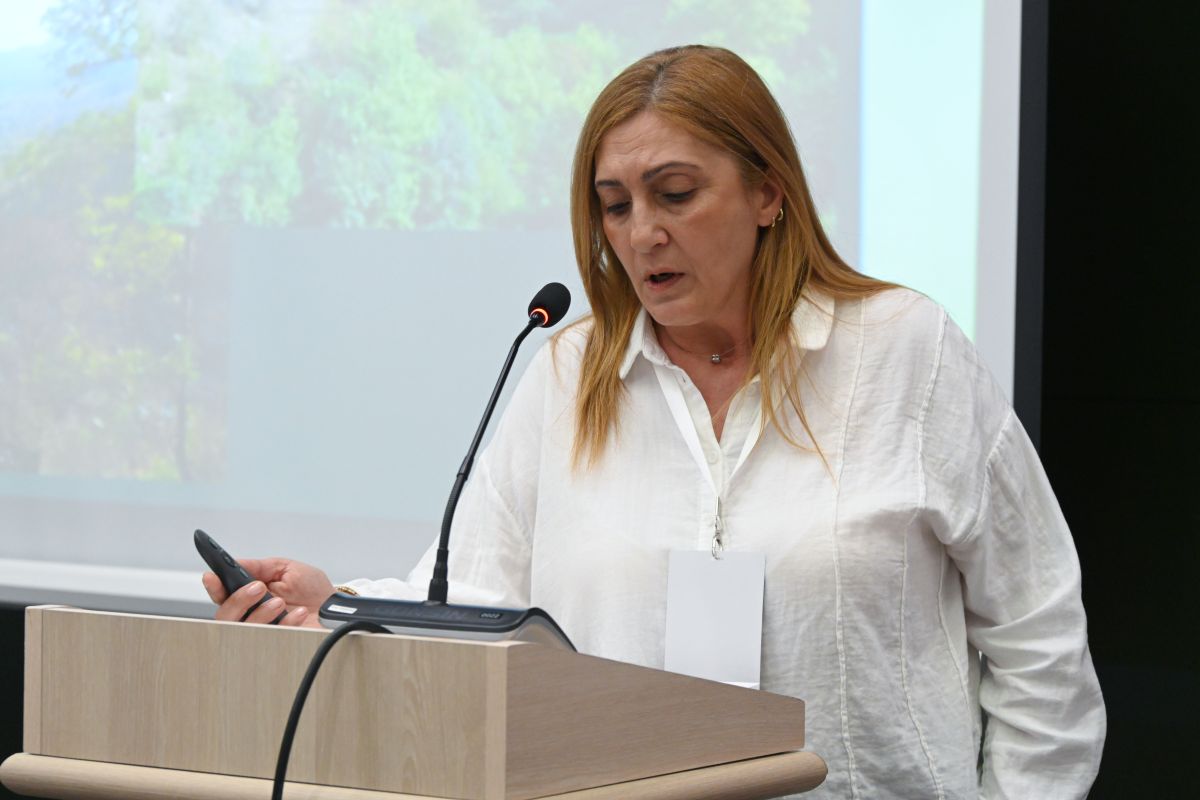
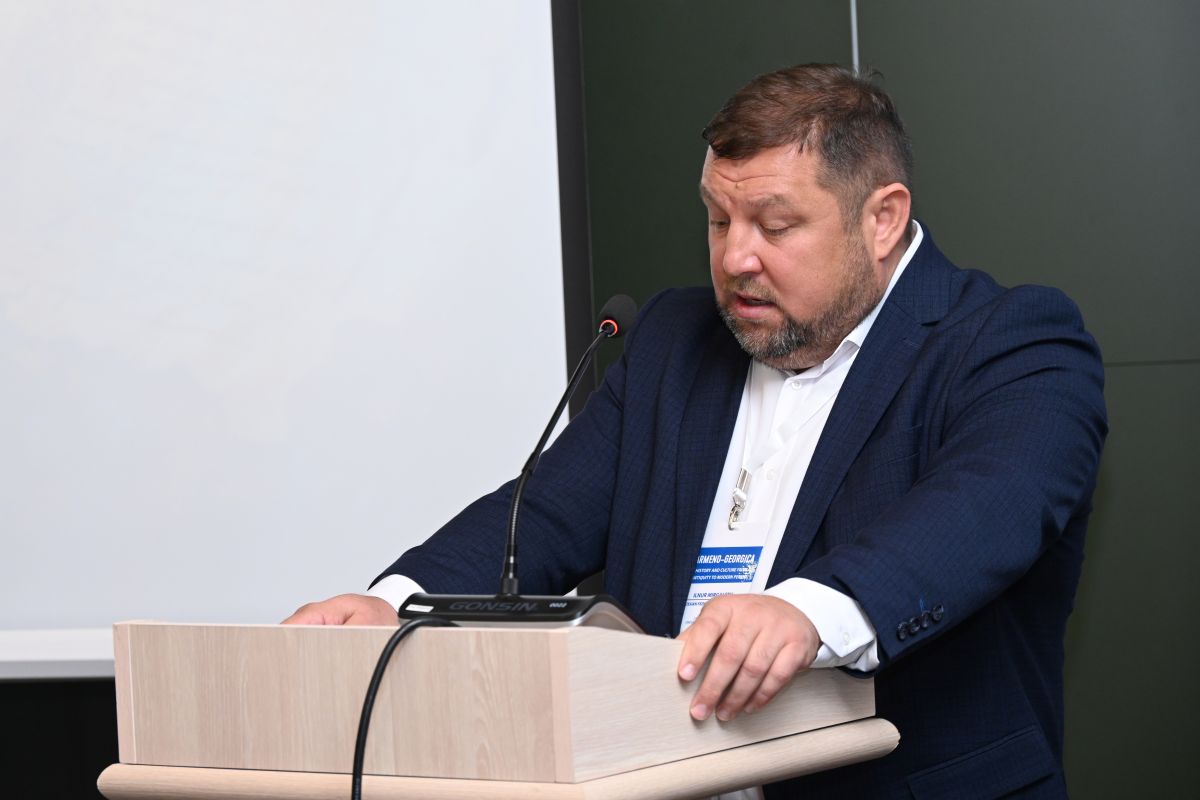
Gor Margaryan, Ph.D. in History and Associate Professor and an analyst at the Foundation, presented the Congress’s concept, thematic structure, and working format. Emphasizing the importance of mutual understanding and awareness between Armenian and Georgian societies, as well as the two peoples’ centuries-old friendship, Margaryan noted that the major academic event does not focus solely on historical issues. By examining these issues through scholarly research, the Congress also seeks to contribute not only to Armenian Studies, Georgian Studies, Caucasian Studies, and related disciplines, but also to further strengthening mutual understanding and awareness between the two societies. “When an issue undergoes scholarly examination, based on facts and with the participation of both sides, it ceases to be a subject of public controversies,” the analyst emphasized.
Congress participants are not only from Armenia and Georgia, but also from Poland, Russia, Japan, the United Kingdom, Ukraine, France, Germany, the Czech Republic, and Bulgaria.
The international congress will continue its work through September 4.
The “Geghard” Scientific-Analytical Foundation and Ivane Javakhishvili Tbilisi State University jointly organized the Congress.
The next congress is scheduled to take place in Georgia two years from now.